
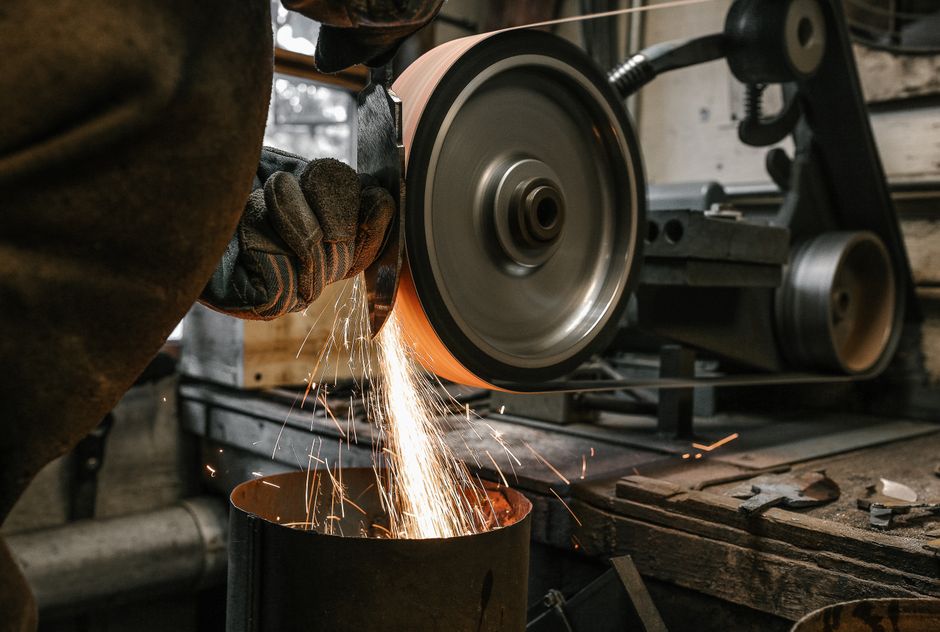
In today’s industrial landscape, metal fabrication shops play a critical role in the production of various products. These workshops are essential for businesses across multiple sectors, from automotive to aerospace, and even construction. Understanding how metal fabrication works and its significance can help businesses optimize their operations and make informed decisions when it comes to sourcing metal components.
What is Metal Fabrication?
Metal fabrication refers to the process of building metal structures by cutting, bending, and assembling. It involves a variety of techniques and tools to manipulate metal into the desired shape and form. Fabrication shops utilize a range of metals, including steel, aluminum, and copper, depending on the project requirements. These shops can produce anything from small parts to large assemblies, making them a versatile component of the manufacturing industry.
In essence, metal fabrication encompasses several processes, including welding, machining, and surface finishing. Each of these processes requires skilled labor and specialized equipment to ensure precision and quality. For example, welding involves joining two pieces of metal together using heat, while machining refers to the removal of material from a workpiece to achieve the desired shape.
The Role of Metal Fabrication Shops in Various Industries
Metal fabrication shops serve a wide array of industries, each with its unique demands and specifications. In the automotive sector, for instance, these shops produce components such as chassis, brackets, and body panels. The aerospace industry relies heavily on precision metal parts that must meet stringent safety standards, showcasing the importance of quality in fabrication.
Construction is another field where metal fabrication is crucial. From structural steel beams to custom railings, fabrication shops provide the materials needed for building infrastructure. This sector often requires large quantities of metal parts, and fabrication shops must be equipped to handle bulk orders efficiently.
Technological Advancements in Metal Fabrication
Over the years, metal fabrication has evolved significantly due to advancements in technology. The introduction of computer numerical control (CNC) machines has revolutionized the industry, allowing for greater precision and efficiency. CNC machines are programmed to perform tasks such as cutting and machining with minimal human intervention, resulting in consistent quality.
Additionally, automation and robotics have started to play a significant role in fabrication processes. Automated systems can handle repetitive tasks, freeing up skilled workers to focus on more complex operations. This shift not only improves productivity but also enhances safety by reducing the risk of workplace injuries.
Choosing the Right Metal Fabrication Shop
When selecting a metal fabrication shop, businesses should consider several factors to ensure they choose a provider that meets their needs. Firstly, assessing the shop’s experience and expertise in the specific type of fabrication required is crucial. A shop that specializes in a particular industry or application can often deliver better quality and service.
Another important aspect is the range of services offered. A comprehensive fabrication shop should provide additional services such as design assistance, finishing, and assembly. This can save time and reduce costs for businesses looking to streamline their supply chain.
Finally, reviewing customer testimonials and case studies can provide insights into the shop’s reliability and quality of work. A reputable shop will have a proven track record of delivering projects on time and within budget.
Future Trends in Metal Fabrication
The future of metal fabrication looks promising, with several trends emerging that are set to shape the industry. Sustainability is becoming increasingly important, and many fabrication shops are adopting eco-friendly practices. This includes using recycled materials and reducing waste during the manufacturing process.
Furthermore, the integration of advanced manufacturing technologies, such as additive manufacturing (3D printing), is expected to grow. This technology allows for the production of complex geometries that traditional fabrication methods may struggle to achieve, opening new avenues for innovation.
Finally, the ongoing development of smart manufacturing practices, including the use of the Internet of Things (IoT) and data analytics, is likely to enhance operational efficiency. By leveraging data, shops can optimize their processes and improve decision-making, ultimately leading to better outcomes for clients.
Conclusion
Metal fabrication shops are indispensable to modern manufacturing, providing essential services across a variety of industries. As technology continues to advance, these shops will likely become even more integral to the production process. By understanding the capabilities and importance of metal fabrication, businesses can make informed decisions when selecting a partner for their manufacturing needs. For high-quality services, consider reaching out to a reliable metal fabrication shop that can meet your specific requirements and help you achieve your project goals.
About the Author