
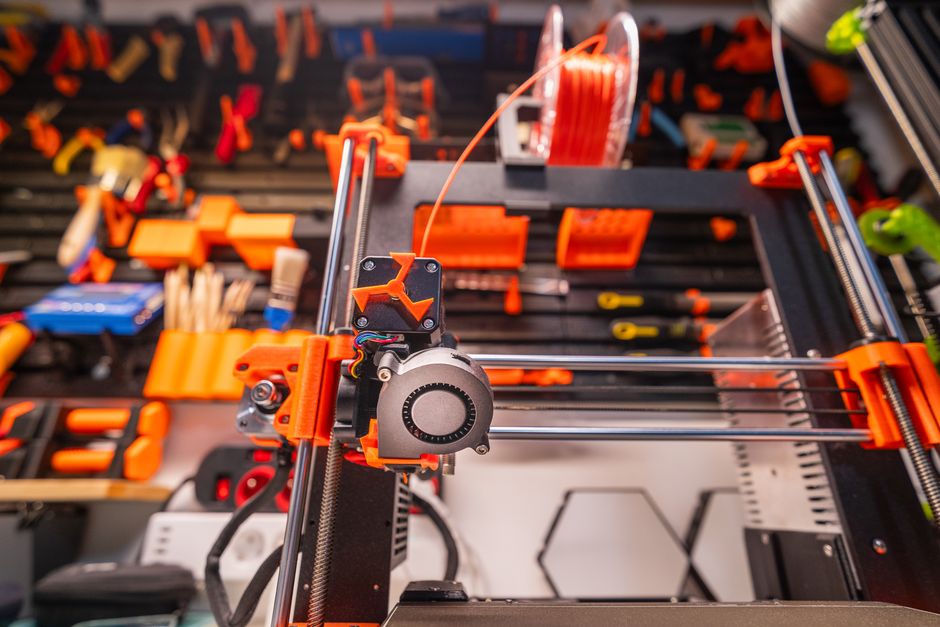
In recent years, the manufacturing landscape has undergone a significant transformation, thanks to advancements in technology. One of the most revolutionary innovations is 3D printing, which has shifted the way products are designed and produced. This article delves into the world of 3D printing services, exploring their benefits, applications, and future potential in various industries.
Understanding 3D Printing Technology
3D printing, also known as additive manufacturing, involves creating three-dimensional objects from digital files. The process typically starts with a 3D model, which is then sliced into thin horizontal layers by special software. This model is sent to a 3D printer, which builds the object layer by layer, using materials such as plastic, metal, or resin. The technology has evolved significantly since its inception in the 1980s, now offering a variety of printing methods including FDM, SLA, and SLS.
One of the most exciting aspects of 3D printing technology is its ability to reduce waste. Traditional manufacturing methods often involve cutting away material from a larger block, leading to significant waste. In contrast, 3D printing adds material only where needed, making it a more sustainable option for production.
Moreover, the versatility of 3D printing allows for the creation of complex geometries and customized designs that would be difficult or impossible to achieve with conventional methods. This capability is particularly beneficial in industries such as aerospace, automotive, and healthcare, where precision and customization are paramount.
The Benefits of Using 3D Printing Services
Utilizing 3D printing services offers numerous advantages for businesses and entrepreneurs. First and foremost, it significantly reduces production lead times. Traditional manufacturing processes can take weeks or even months, while 3D printing can produce prototypes and final products in a matter of days.
Additionally, these services allow for cost-effective small-batch production. Companies can produce limited runs of items without the high costs associated with setting up traditional manufacturing lines. This flexibility enables businesses to test market concepts and iterate designs quickly without incurring substantial financial risks.
Furthermore, 3D printing services facilitate collaboration and innovation. Designers and engineers can easily share digital files, making it simple to collaborate on projects regardless of geographical location. This fosters a culture of creativity and rapid prototyping, allowing for faster advancements in product development.
Applications Across Various Industries
The applications of 3D printing services are vast and varied, spanning multiple industries. In healthcare, for instance, 3D printing is being used to create custom prosthetics and dental implants tailored to individual patients. This not only improves patient outcomes but also reduces costs associated with mass-produced alternatives.
In the aerospace sector, companies are employing 3D printing to manufacture lightweight components that enhance fuel efficiency. The ability to produce complex parts with reduced weight can lead to significant savings in operational costs and improved performance.
Moreover, the automotive industry is leveraging 3D printing for rapid prototyping and production of spare parts. This not only accelerates the design process but also enables manufacturers to keep inventory costs low by producing parts on-demand.
Challenges and Considerations
Despite the numerous benefits, there are challenges associated with 3D printing services that businesses must consider. One of the primary concerns is material limitations. While the range of materials available for 3D printing is expanding, it may not yet meet all the requirements for certain applications, particularly in high-stress environments.
Another challenge is the need for skilled personnel. Operating 3D printers and understanding the intricacies of the technology requires a certain level of expertise, which may necessitate additional training for employees.
Additionally, intellectual property issues are a pressing concern in the 3D printing landscape. The ease of copying and modifying designs poses risks for businesses regarding patent infringement and copyright violations. Companies must navigate these legal complexities to protect their innovations.
The Future of 3D Printing Services
Looking ahead, the future of 3D printing services appears promising. With ongoing advancements in technology, we can expect improvements in print speed, material capabilities, and overall efficiency. The integration of artificial intelligence and machine learning is likely to play a significant role in optimizing the 3D printing process, making it even more accessible and user-friendly.
Furthermore, the growing emphasis on sustainability will drive the development of eco-friendly materials and practices within the industry. As consumers increasingly demand environmentally responsible products, companies that adopt sustainable 3D printing methods will likely gain a competitive edge.
In conclusion, 3D printing services are revolutionizing the manufacturing landscape, offering a range of benefits from reduced costs to enhanced customization. As technology continues to advance, the potential applications and impact of 3D printing are bound to expand, making it an exciting field to watch.
Conclusion
In summary, 3D printing services are not just a passing trend; they represent a fundamental shift in how products are designed and manufactured. By understanding the technology, leveraging its benefits, and navigating its challenges, businesses can position themselves at the forefront of this innovative wave. As we move into the future, embracing 3D printing will be essential for those looking to thrive in an increasingly competitive market.
About the Author