In the critical moments of a cardiac emergency, having access to a defibrillator can mean the difference between life and death. As such, choosing the right defibrillator supplier is essential for healthcare providers, organizations, and individuals alike. This article delves into the key considerations when selecting a defibrillator supplier, the types of defibrillators available, and the importance of proper training and maintenance.
Understanding Defibrillators
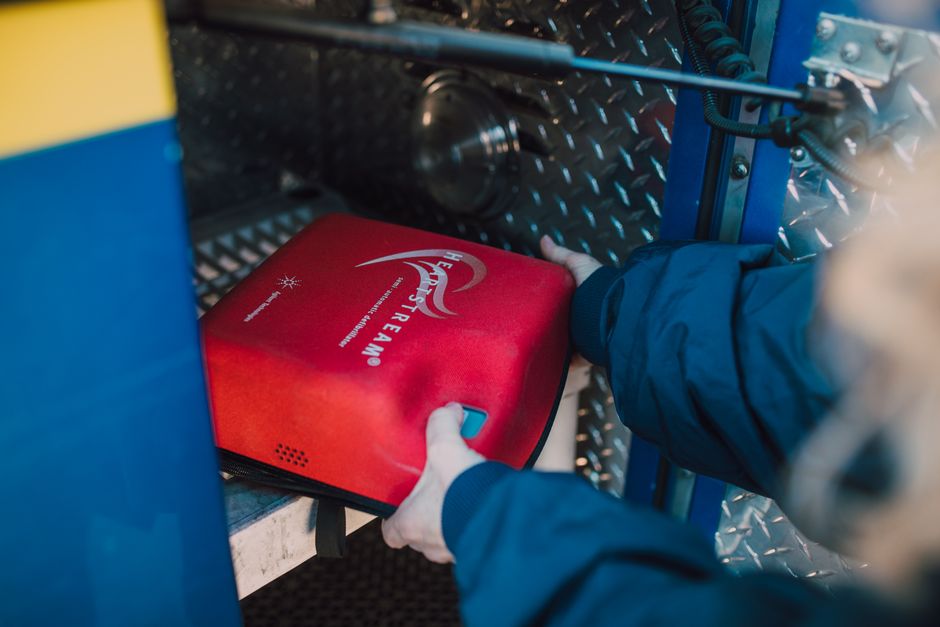
Defibrillators are medical devices designed to deliver an electric shock to restore a normal heartbeat. There are primarily two types of defibrillators: automated external defibrillators (AEDs) and manual defibrillators. AEDs are user-friendly and can be operated by laypersons, while manual defibrillators are often used by healthcare professionals and require more training to operate effectively. Understanding these differences is crucial when evaluating potential suppliers.
According to the American Heart Association, approximately 356,000 out-of-hospital cardiac arrests occur annually in the United States, with the survival rate being less than 10%. This statistic emphasizes the need for widespread access to defibrillators, particularly in public places. Therefore, when selecting a defibrillator supplier, consider their product range and whether they offer both AEDs and manual defibrillators.
Evaluating Supplier Reputation
The reputation of a defibrillator supplier can significantly impact your choice. Look for suppliers with a proven track record in the industry. Reviews, testimonials, and case studies can provide insight into a supplier’s reliability and customer service. Additionally, it is beneficial to check if the supplier has certifications from relevant health authorities, indicating that their products meet safety and quality standards.
Moreover, engaging with other healthcare providers or organizations that have previously dealt with a supplier can provide valuable feedback. Networking at industry conferences or local health events can help you gather firsthand accounts of different suppliers’ performance and reliability.
Product Quality and Compliance
When choosing a defibrillator supplier, ensure that the products they offer comply with industry standards and regulations. Look for defibrillators that are FDA-approved or certified by other relevant health authorities. This certification ensures that the devices have undergone rigorous testing for safety and efficacy.
Furthermore, the longevity and warranty of the products are also crucial factors. A good supplier will offer warranties that reflect their confidence in the product’s durability. For instance, defibrillators should have a battery life of at least four to five years, and suppliers should provide clear information about replacement parts and servicing options.
Customer Support and Training
Effective customer support is another vital aspect to consider when selecting a defibrillator supplier. The supplier should offer comprehensive training programs for users, as proper education on how to use a defibrillator can save lives. Look for suppliers that provide on-site training sessions and ongoing support. Some suppliers also offer online resources and refresher courses, which can be beneficial for organizations with multiple users.
In addition to training, the supplier should have a responsive customer service team that can assist with inquiries or issues that may arise with the devices. A reliable supplier will be available to offer assistance, ensuring that the devices are functioning correctly and are ready for use at all times.
Cost Considerations
While cost should not be the only factor in your decision-making process, it is essential to consider the budget available for purchasing defibrillators. The price of defibrillators can vary significantly based on the type and features. Automated external defibrillators (AEDs) typically range from $1,200 to $2,500, while manual defibrillators can be significantly more expensive.
It is also important to factor in the costs associated with maintenance, training, and any necessary accessories. Some suppliers, like a reputable defibrillator supplier, may offer package deals that include training and maintenance services, potentially saving you money in the long run.
Conclusion
Selecting the right defibrillator supplier is a critical decision that can impact the safety and health outcomes of individuals in your organization or community. By understanding the types of defibrillators available, evaluating supplier reputation, ensuring product quality and compliance, considering customer support, and being mindful of costs, you can make a well-informed choice. In the event of a cardiac emergency, having the right defibrillator and the knowledge to use it can save lives.
About the Author