
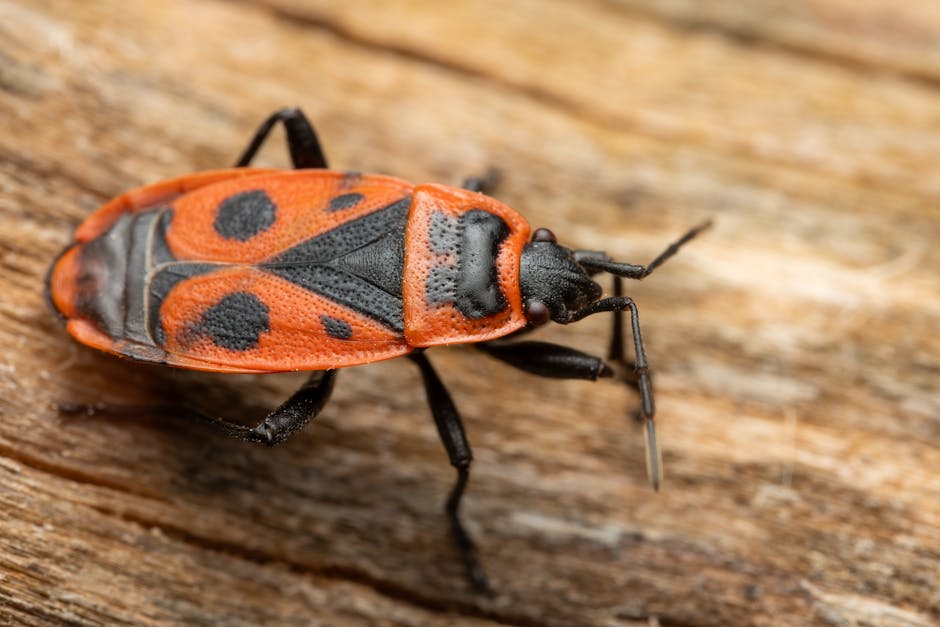
Bedbugs have become a persistent nuisance in homes and businesses across the globe. These tiny, nocturnal insects are notorious for their ability to hide in crevices and their fast reproduction rates. As awareness of their presence grows, so too does the importance of understanding effective extermination methods. In this article, we will explore various strategies for bedbug extermination, ranging from DIY approaches to professional interventions.
Understanding Bedbug Behavior
To effectively combat bedbugs, it is crucial to understand their behavior and biology. Bedbugs typically hide in small cracks and crevices, making them difficult to detect until an infestation has become significant. They are primarily nocturnal, feeding on the blood of their hosts while they sleep. This feeding typically occurs every five to ten days, and a single female bedbug can lay hundreds of eggs in her lifetime. Recognizing these patterns is key to effectively targeting and exterminating them.
For instance, bedbugs are often found in mattresses, box springs, bed frames, and even behind headboards. They can also hitch a ride in luggage, clothing, and furniture, making them easily transportable. Understanding these hiding spots can help in locating and eliminating them during an extermination process.
DIY Bedbug Extermination Methods
Many homeowners prefer to tackle bedbug infestations on their own before seeking professional help. There are several DIY methods that can be effective, especially in the early stages of an infestation. One popular method is the use of heat treatment. Bedbugs cannot survive temperatures above 120°F (49°C). Using a steam cleaner on infested areas, such as mattresses and carpets, can kill bedbugs and their eggs on contact.
In addition to heat treatment, vacuuming is another effective DIY method. Regularly vacuuming infested areas can help remove bedbugs and their eggs. After vacuuming, it is essential to dispose of the vacuum bag properly to prevent re-infestation. Furthermore, sealing cracks and crevices in walls and furniture can help minimize hiding spots for these pests.
Another DIY approach involves using diatomaceous earth, a natural powder that can kill bedbugs by dehydrating them. Sprinkling this powder in areas where bedbugs are suspected can provide an additional layer of defense. However, it is important to note that while these methods can be effective for minor infestations, they may not suffice for larger problems.
When to Call Professionals
While DIY methods can be effective, there are times when professional intervention is necessary. If the infestation is severe or persistent, relying solely on home remedies may not yield satisfactory results. Professionals have access to more potent insecticides and specialized equipment that can effectively eliminate bedbug populations.
When selecting a pest control service, it is vital to choose a company that specializes in bedbug extermination. Look for services that offer a comprehensive treatment plan, including inspection, extermination, and follow-up services. Professional exterminators often employ a combination of chemical treatments and heat treatments to ensure complete eradication.
Moreover, professional services may include a thorough inspection of your home to identify the extent of the infestation. This step is crucial as it allows for a tailored approach to extermination, increasing the likelihood of success. For instance, some companies may offer integrated pest management (IPM) strategies that focus on long-term solutions rather than immediate fixes.
Preventing Future Infestations
Once bedbugs have been successfully exterminated, the next step is to prevent future infestations. One effective strategy is to regularly inspect sleeping areas and furniture for signs of bedbugs. Early detection is key to preventing another infestation. Additionally, using protective encasements on mattresses and box springs can help keep bedbugs at bay.
Another preventive measure is to be cautious when traveling. Inspect luggage and clothing for bedbugs before returning home, and consider washing and drying clothes on high heat after trips. This practice can kill any bedbugs that may have hitched a ride back with you.
Furthermore, maintaining a clutter-free environment can minimize potential hiding spots for bedbugs. Regularly decluttering areas around beds and furniture can help reduce the risk of re-infestation. By implementing these preventive measures, homeowners can protect themselves from future bedbug problems.
Conclusion
Bedbug extermination requires a thorough understanding of the pests and effective strategies for elimination. Whether opting for DIY methods or professional help, it is crucial to act quickly at the first sign of an infestation. By combining effective extermination techniques with preventive measures, homeowners can reclaim their spaces from these unwelcome guests. For those looking for additional assistance, seeking out reliable bed bug treatment options can provide the necessary help to ensure a bedbug-free environment.
About the Author