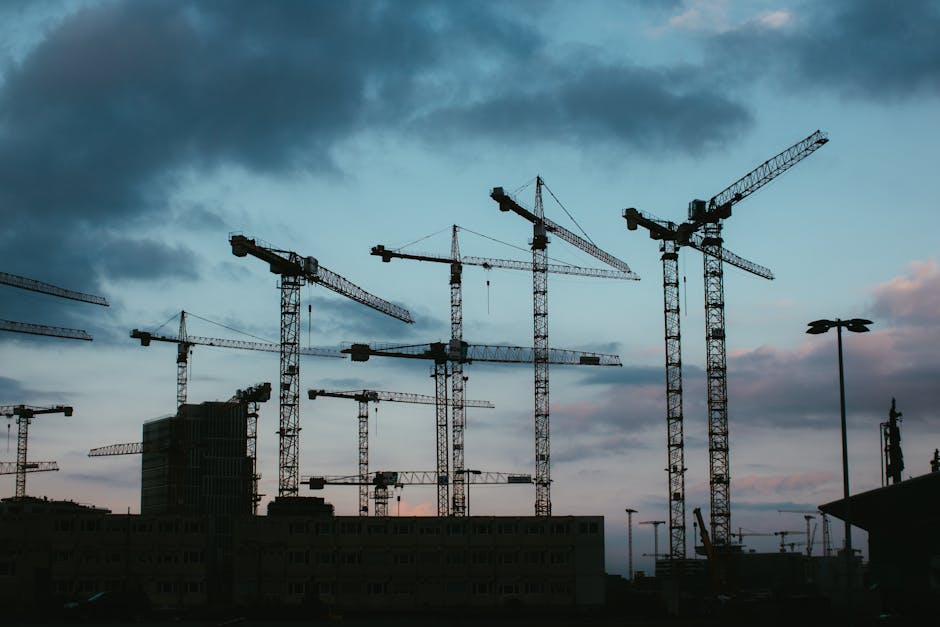
The construction industry is a cornerstone of economic development, responsible for creating the infrastructure that supports society. From residential buildings to large-scale commercial projects, the sector encompasses a wide range of activities and challenges. As we venture further into the 21st century, understanding the dynamics of this industry becomes more critical than ever. This article explores the current trends, challenges, and innovations shaping the construction landscape.
Current Trends in Construction
In recent years, the construction industry has witnessed several transformative trends. One of the most significant is the increased adoption of technology. Tools such as Building Information Modeling (BIM) and project management software streamline operations and enhance collaboration among stakeholders.
Moreover, sustainability has become a focal point. Green building practices are gaining traction, with many companies prioritizing eco-friendly materials and energy-efficient designs. According to the U.S. Green Building Council, green construction will account for a substantial portion of the market by 2025, reflecting a shift towards more responsible building practices.
Furthermore, labor shortages continue to challenge the industry. The National Association of Home Builders indicates that 82% of builders report difficulty finding skilled labor. This shortage has led to increased wages and a push for training programs to attract new talent.
Challenges Facing the Industry
Despite its growth, the construction industry faces several challenges. One major issue is the fluctuation of material costs. Recent supply chain disruptions have caused prices for essential materials like lumber and steel to soar. This unpredictability can significantly impact project budgets and timelines.
Additionally, regulatory hurdles often slow down project approvals. Local building codes and zoning laws can be complex and vary widely, leading to delays that can frustrate developers and contractors alike. Navigating these regulations requires expertise and can significantly affect project feasibility.
The impact of climate change is another pressing concern. Construction companies must now consider environmental factors in their planning processes. Extreme weather events can delay construction timelines and increase costs, necessitating a more adaptable approach to project management.
Innovations Reshaping Construction
Innovation is at the heart of the construction industry’s evolution. Technologies such as drones and robotics are being integrated into various phases of construction, from surveying sites to automating repetitive tasks. Drones provide aerial views that enhance site analysis, while robotics can perform labor-intensive tasks with precision.
Additionally, modular construction is gaining popularity. By prefabricating components off-site, companies can reduce construction time and waste. This method not only accelerates project delivery but also improves quality control, as components are built in a controlled environment.
Another exciting development is the use of 3D printing. This technology allows for the rapid production of building components, reducing both time and labor costs. As materials and techniques improve, 3D printing could revolutionize how structures are built.
The Future of the Construction Industry
Looking ahead, the construction industry is poised for significant changes. The ongoing digital transformation will likely lead to more connected job sites, where data-driven decisions enhance efficiency and safety. Companies that embrace this change will have a competitive edge.
Moreover, as sustainability becomes a priority, the demand for green buildings will continue to rise. This shift will not only create new market opportunities but also necessitate a reevaluation of traditional building practices.
The integration of smart technology into buildings is another trend that will shape the future. Smart homes and buildings equipped with IoT devices can optimize energy use and improve residents’ quality of life. As urban populations grow, these innovations will become essential in managing resources effectively.
Conclusion
The construction industry is undergoing a profound transformation driven by technology, sustainability, and changing market demands. While challenges persist, the opportunities for growth and innovation are substantial. By embracing new practices and technologies, stakeholders can pave the way for a more efficient and sustainable future in construction. For those looking to connect with like-minded professionals and expand their network, consider joining a construction network charlotte nc to stay informed and engaged in this dynamic industry.
About the Author