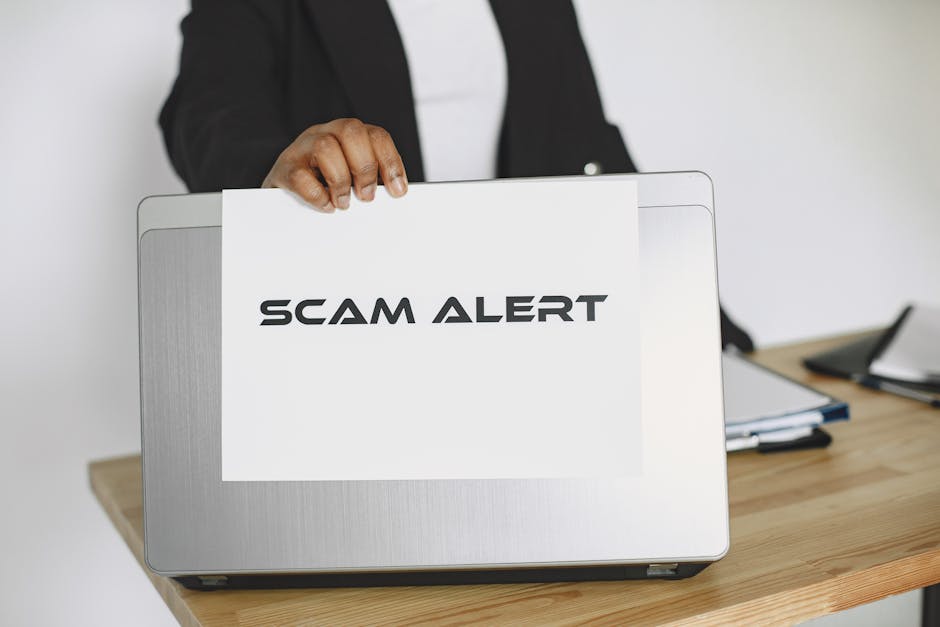
In today’s fast-paced business environment, the threat of fraudulent invoices has become a significant concern for companies of all sizes. As the methods employed by fraudsters become increasingly sophisticated, it is crucial for organizations to implement effective strategies to identify and combat this issue. This article will explore various techniques and best practices for detecting fraudulent invoices, ensuring that businesses can protect their financial integrity and maintain trust with their stakeholders.
Understanding Fraudulent Invoices
Fraudulent invoices are deceptive documents created with the intention to deceive a business into making payments for goods or services that were never provided. According to a report by the Association of Certified Fraud Examiners (ACFE), organizations lose an average of 5% of their revenue to fraud each year. This staggering statistic underscores the importance of vigilance when it comes to invoice processing.
Fraudsters often use tactics such as altering legitimate invoices, creating entirely fake documents, or even impersonating suppliers. Understanding the common types of fraudulent invoices can help businesses develop a keen eye for identifying red flags.
For example, a common tactic involves changing bank account details on invoices sent from known suppliers. This method can lead to significant financial losses if not caught in time. Organizations must, therefore, prioritize the verification of any changes to supplier information.
Implementing Invoice Verification Processes
One of the most effective ways to detect fraudulent invoices is to establish robust verification processes. This includes implementing a system for cross-referencing invoices with purchase orders and delivery receipts. By ensuring that every invoice matches corresponding documentation, businesses can significantly reduce the risk of paying for fraudulent services.
Furthermore, organizations should train their staff to recognize the signs of fraudulent invoicing. Regular workshops can educate employees on what to look for, such as discrepancies in invoice amounts, unusual vendor information, or invoices that lack proper documentation.
For instance, if an invoice is received via email from a supplier, it is essential to verify its authenticity by contacting the supplier through previously established communication channels. This practice can help prevent fraud that arises from impersonation scams.
Utilizing Technology for Detection
In the digital age, technology plays a pivotal role in detecting fraudulent invoices. Various software solutions are available that leverage machine learning and artificial intelligence to identify anomalies in invoicing patterns. By analyzing vast amounts of data, these systems can flag potentially fraudulent invoices for further examination.
Additionally, businesses can implement automated workflows that require multiple levels of approval for invoices before payment is processed. This not only adds an extra layer of scrutiny but also ensures that any suspicious activity is caught early in the process.
Companies can also use tools to detect fraud invoice patterns by analyzing historical data for irregularities. For instance, if a particular vendor has a history of late payments or discrepancies, their invoices should be scrutinized more closely.
Creating a Culture of Fraud Awareness
Building a culture of fraud awareness within an organization is crucial for long-term success in combating invoice fraud. Management should foster an environment where employees feel comfortable reporting suspicious activities without fear of repercussions. Encouraging open communication can lead to early detection of fraudulent activities.
Moreover, implementing a whistleblower policy can empower employees to report suspicious invoices or practices they may encounter. Organizations that prioritize fraud awareness are more likely to identify and address issues before they escalate.
Providing regular updates on the latest fraud trends and tactics can also keep staff informed and vigilant. By sharing stories of real-life fraud cases, organizations can illustrate the consequences of invoice fraud and the importance of proactive measures.
Regular Audits and Reviews
Conducting regular audits and reviews of invoicing processes is another essential step in detecting fraudulent invoices. Internal audits can help identify weaknesses in current processes and highlight areas for improvement. These audits should evaluate compliance with established verification procedures and assess the effectiveness of fraud detection measures.
In addition to internal audits, organizations may also consider engaging third-party auditors to evaluate their invoicing processes comprehensively. An outsider’s perspective can uncover blind spots that internal teams may overlook.
For example, a thorough audit may reveal that certain employees consistently process invoices without proper documentation, presenting a significant risk for fraud. Recognizing such patterns allows organizations to implement corrective actions promptly.
Conclusion
Detecting fraudulent invoices is an ongoing challenge for businesses, but with the right strategies in place, organizations can significantly reduce their risk. By understanding the nature of fraudulent invoices, implementing robust verification processes, utilizing advanced technology, fostering a culture of awareness, and conducting regular audits, companies can protect themselves from financial losses and maintain their reputation.
Ultimately, staying informed about emerging fraud trends and continuously updating anti-fraud measures will empower businesses to combat invoice fraud effectively and safeguard their financial interests.
About the Author