In the ever-evolving world of automotive customization, car wraps have emerged as a popular choice among vehicle owners looking to enhance their cars’ aesthetics and protect their original paint. This innovative service allows individuals to express their personal style while preserving their vehicle’s value. In this article, we will delve into the various aspects of car wrap services, exploring their benefits, types, and the process involved in getting a car wrapped.
Understanding Car Wraps
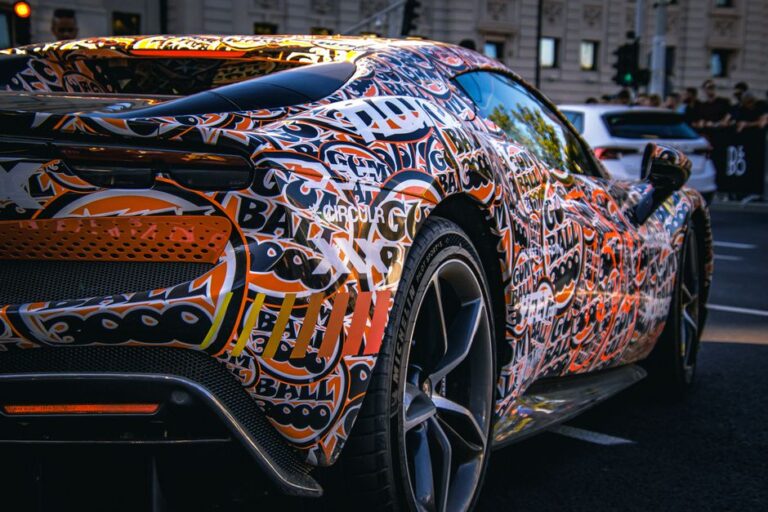
Car wraps are large vinyl decals or graphics that cover the exterior of a vehicle. They come in various colors, finishes, and designs, offering a versatile way to change the appearance of a car without the commitment of a permanent paint job. The materials used in car wraps are designed to withstand the elements, making them a durable option for vehicle customization.
One of the key advantages of car wraps is their removability. Unlike traditional paint, which can be costly and time-consuming to change, a wrap can be removed easily without damaging the car’s underlying paint. This feature is particularly appealing for businesses looking to advertise their brand through vehicle graphics, as they can update their branding without incurring significant costs.
Moreover, car wraps provide a layer of protection against scratches, UV rays, and other environmental factors. This added protection can help maintain the vehicle’s resale value, making it a smart investment for car owners.
The Benefits of Car Wrap Services
Investing in a car wrap service comes with numerous benefits. Firstly, car wraps can significantly enhance the visual appeal of a vehicle. With a wide array of colors and finishes available, including matte, gloss, and even textured options, vehicle owners can achieve a unique look that reflects their personality or brand.
Additionally, car wraps are a cost-effective alternative to traditional painting. A full paint job can range from thousands to tens of thousands of dollars, depending on the quality and complexity of the work. In contrast, a high-quality wrap can be applied for a fraction of the cost, making it accessible for a wider range of consumers.
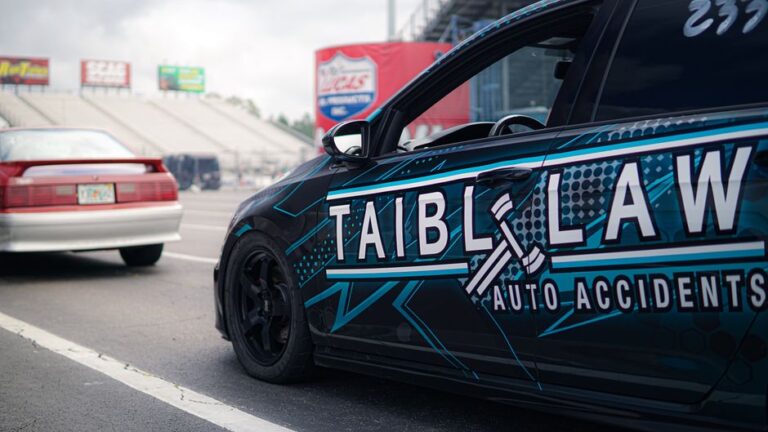
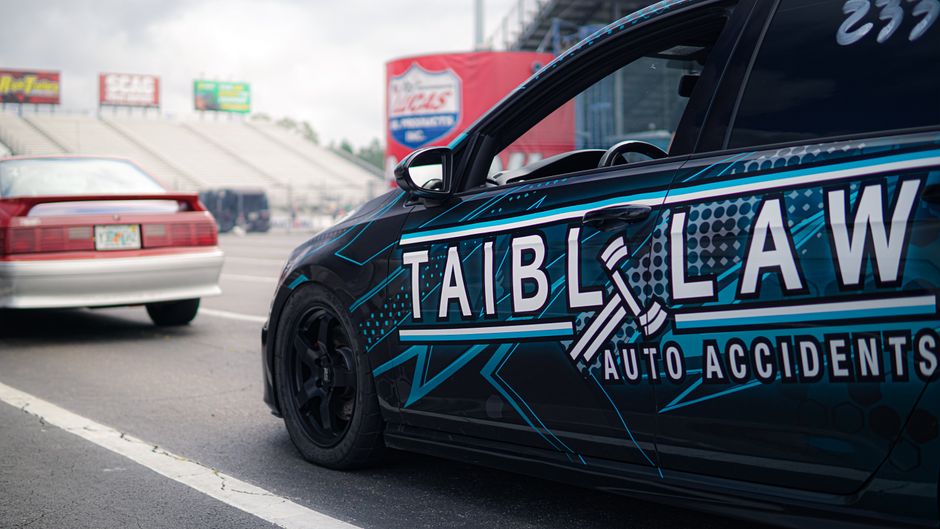
Furthermore, businesses can leverage car wraps as a powerful marketing tool. A well-designed vehicle wrap can attract attention and generate leads, turning a car into a mobile advertisement. Research shows that vehicle wraps can increase brand recognition by up to 97%, making them one of the most effective forms of advertising.
Types of Car Wraps
Car wraps come in various types to cater to different needs and preferences. The most common types include:
- Full Wraps: These wraps cover the entire vehicle, providing a complete transformation in appearance. Full wraps are ideal for those looking to make a bold statement.
- Partial Wraps: As the name suggests, partial wraps cover only specific areas of the vehicle. This option is perfect for businesses that want to highlight their branding without overwhelming the vehicle’s original color.
- Vinyl Graphics: These are smaller decals or graphics that can be applied to various parts of the vehicle. Vinyl graphics are often used for branding purposes or to add unique touches to a car.
Each type of wrap offers its own set of advantages, and the choice will depend on the desired outcome and budget.
The Car Wrapping Process
The process of wrapping a car involves several key steps to ensure a high-quality finish. Initially, the vehicle’s surface must be thoroughly cleaned and prepped to remove any dirt, wax, or contaminants. This preparation is crucial, as any imperfections can affect the adhesion of the wrap.
Once the vehicle is ready, the design phase begins. Customers can choose from pre-designed templates or collaborate with graphic designers to create a custom look. This step is essential for businesses seeking to incorporate their branding elements into the wrap.
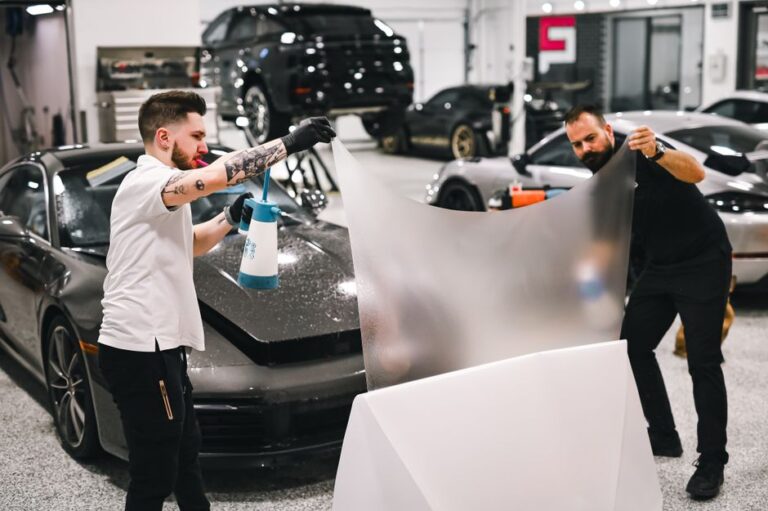
After finalizing the design, the vinyl material is printed using high-quality inks to ensure vibrant colors and durability. The installation phase follows, which requires skill and precision to avoid bubbles and wrinkles. Professional installers use specialized tools to carefully apply the wrap, ensuring a seamless finish.
Finally, once the wrap is installed, it is essential to maintain it properly to prolong its lifespan. Regular cleaning and avoiding abrasive materials will help keep the wrap looking fresh and vibrant.
Conclusion
Car wrap services have revolutionized the way vehicle owners approach customization and branding. With their affordability, versatility, and protective benefits, car wraps offer an excellent solution for those looking to enhance their vehicle’s appearance without committing to a permanent change. Whether for personal expression or business promotion, a car wrap can be a valuable investment. If you’re considering a transformation for your vehicle, exploring a professional car wrap service could be the first step toward achieving your vision.
About the Author