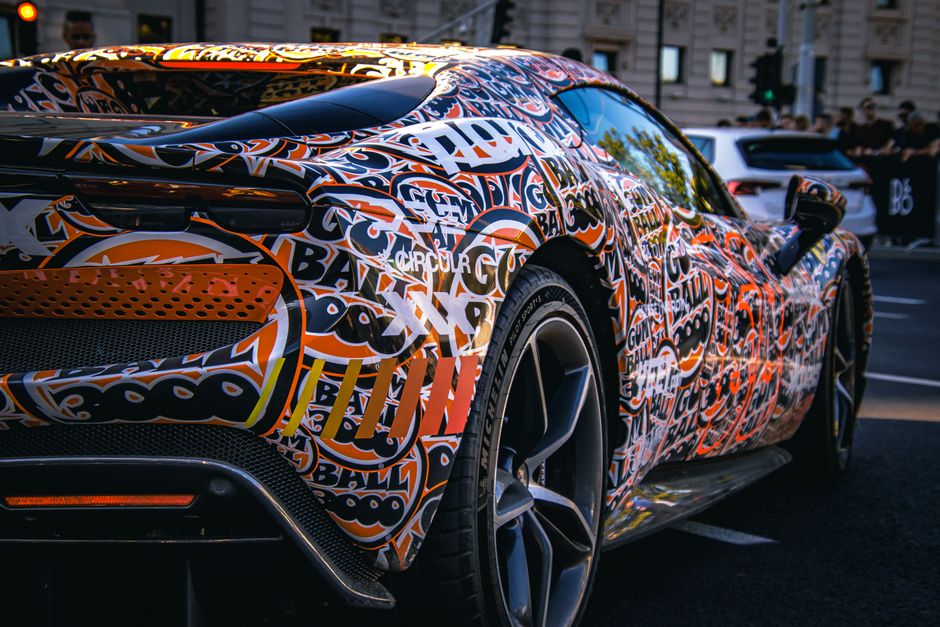
In recent years, car wrap services have gained immense popularity among vehicle owners looking to personalize their cars or even promote their businesses. This innovative technique involves applying a vinyl film over the car’s paint, enabling a stunning transformation without the permanence of a new paint job. This article explores the benefits, process, and considerations of car wrap services, making it an essential read for anyone contemplating a vehicle makeover.
What is Car Wrap?
Car wrap refers to the process of covering a vehicle with a specialized vinyl material that can change its appearance dramatically. Unlike traditional paint jobs, wraps are not only less expensive but also reversible, allowing owners to switch designs or colors as they please. The vinyl used in car wraps comes in various finishes, including matte, gloss, and even textured options, providing endless possibilities for customization.
According to industry reports, the car wrap market is expected to grow significantly, driven by the increasing demand for vehicle personalization and advertising solutions. Businesses, in particular, have recognized the value of vehicle wraps as a mobile advertising tool, allowing them to reach a wider audience while driving around town.
Benefits of Using Car Wrap Services
One of the primary advantages of car wrap services is their cost-effectiveness compared to traditional painting methods. A full car wrap can often be completed at a fraction of the price of a new paint job, making it an attractive option for budget-conscious consumers. Additionally, wraps can protect the original paint from scratches and UV damage, preserving the vehicle’s resale value.
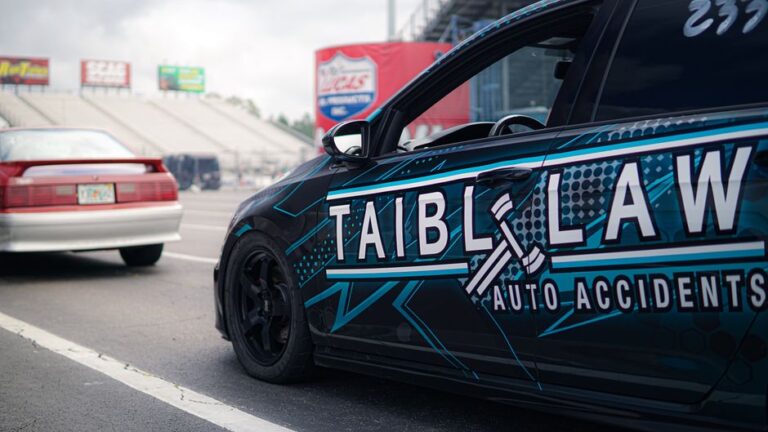
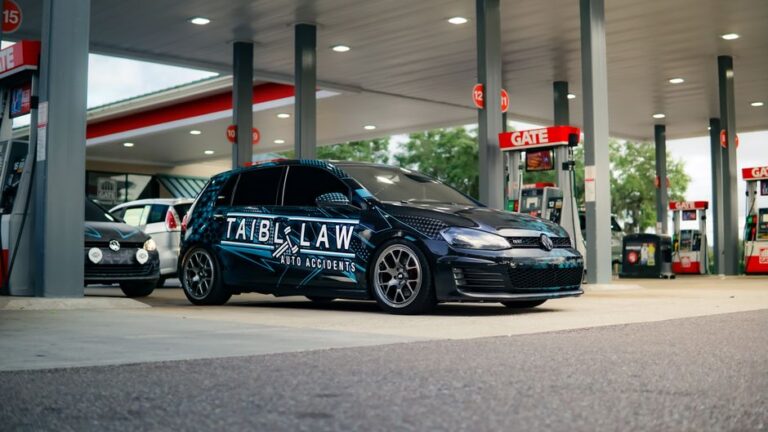
Another significant benefit is the versatility of design. Car wraps can be fully customized to reflect personal style or corporate branding. For instance, businesses can showcase their logos and services directly on their vehicles, turning them into mobile billboards. This not only enhances visibility but also increases brand recognition effectively.
The Process of Car Wrapping
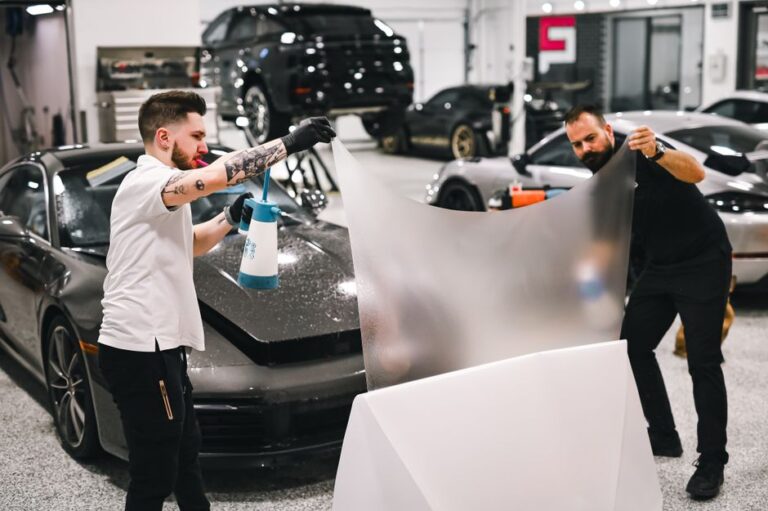
The car wrapping process typically begins with a consultation where the wrap provider discusses design options with the customer. Once a design is finalized, the vehicle is thoroughly cleaned and prepared to ensure the vinyl adheres properly. The wrap is then carefully applied, often requiring skilled technicians to ensure a seamless finish.
After the wrap is applied, it is essential to allow for a curing period, during which the vinyl adheres fully to the vehicle’s surface. Most professionals recommend avoiding washing the car for at least a week after installation to ensure the best results. Regular maintenance, such as cleaning with mild soap and water, will help maintain the wrap’s appearance over time.
Considerations Before Getting a Car Wrap
While car wraps offer numerous benefits, there are a few considerations to keep in mind. First, the quality of the vinyl used can impact the durability and appearance of the wrap. It’s crucial to choose a reputable provider that uses high-quality materials to ensure a long-lasting result.
Additionally, some local regulations may dictate specific requirements for vehicle wraps, especially for commercial vehicles. It’s advisable to check with local authorities to ensure compliance with any advertising regulations. Finally, potential customers should be aware that while wraps can last several years, they will eventually need to be replaced due to wear and tear.
Conclusion
In conclusion, car wrap services offer an excellent alternative for vehicle customization and advertising. With their cost-effectiveness, design versatility, and protective benefits, they are becoming an increasingly popular choice among car owners and businesses alike. If you’re looking to transform your vehicle, consider exploring a car wrap service that suits your style and needs. Whether for personal flair or business promotion, a car wrap can provide the perfect solution to stand out on the road.
About the Author