Vertical farming technology is emerging as a groundbreaking solution to some of the most pressing challenges in agriculture. As global populations soar and urban areas expand, traditional farming methods are becoming increasingly unsustainable. This modern approach to agriculture not only maximizes space but also minimizes resource consumption, making it a viable option for cities around the world.
Understanding Vertical Farming Technology
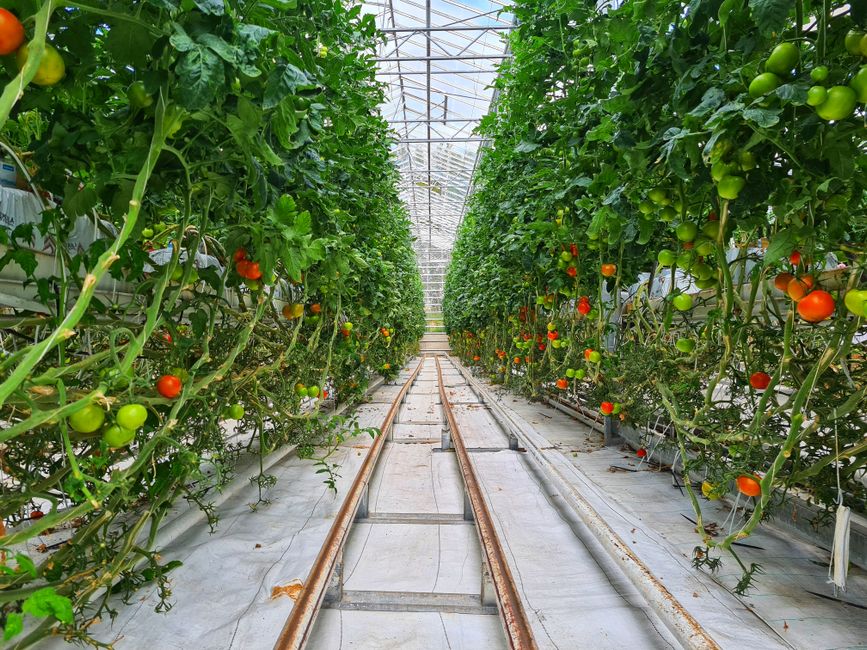
At its core, vertical farming involves growing crops in stacked layers or vertically inclined surfaces, often incorporating controlled-environment agriculture (CEA) technology. This method allows for the efficient use of space, particularly in urban settings where land is limited. The technology employs hydroponics, aeroponics, and aquaponics systems to cultivate plants without soil, drastically reducing the amount of water and nutrients needed compared to traditional farming.
For instance, a study by the National Agricultural Statistics Service found that hydroponic systems can use up to 90% less water than conventional farming methods. Additionally, vertical farms can produce food year-round, regardless of climate, ensuring a consistent supply of fresh produce. This adaptability is crucial as climate change continues to impact traditional agricultural practices.
Benefits of Vertical Farming
The advantages of vertical farming extend beyond just water conservation. One of the most significant benefits is the reduction of transportation costs and emissions associated with food distribution. By situating farms closer to urban centers, vertical farming minimizes the distance food must travel to reach consumers, resulting in lower carbon footprints and fresher produce.
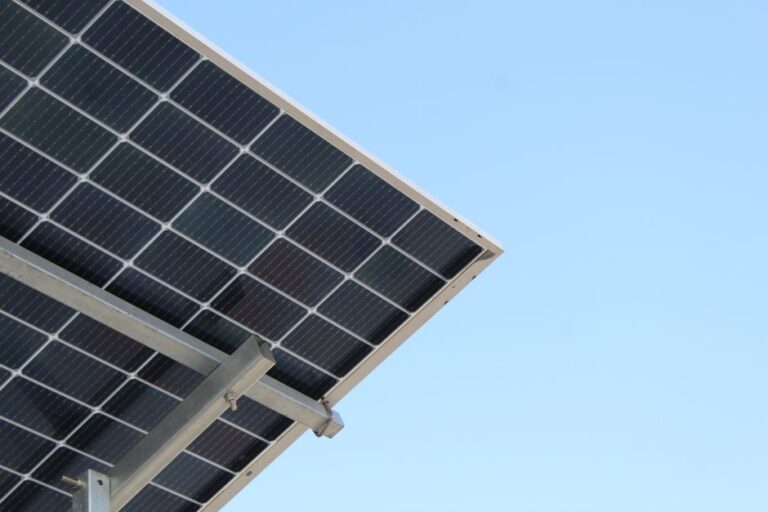
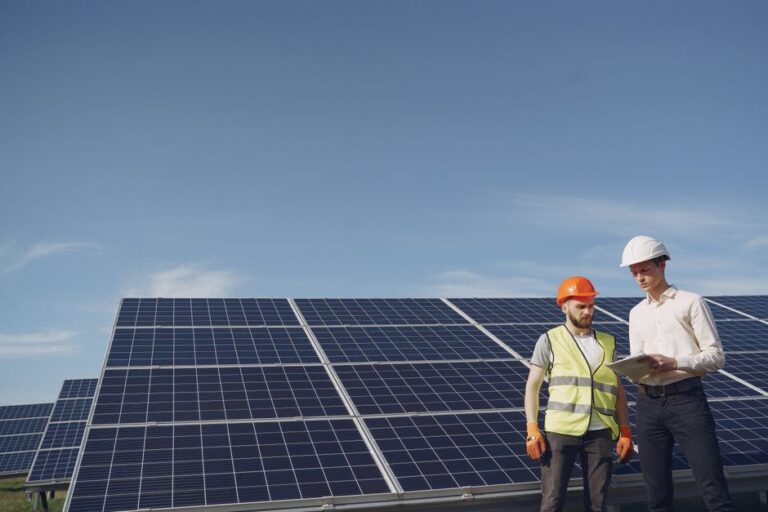
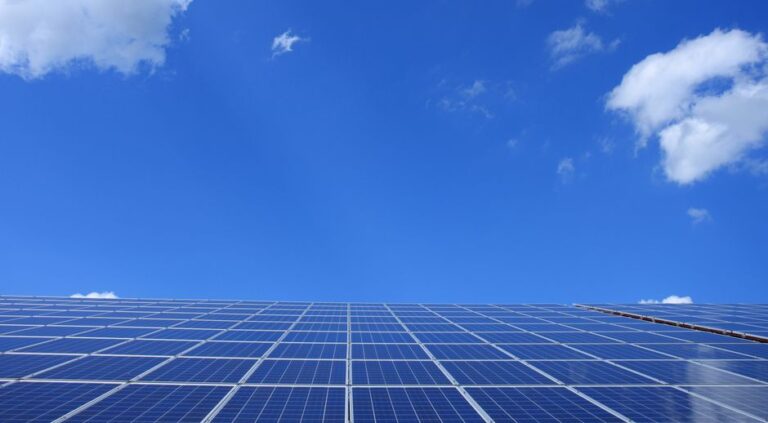
Moreover, vertical farms often utilize renewable energy sources, such as solar panels, further reducing their environmental impact. According to a report from the Food and Agriculture Organization, the energy consumption of vertical farms can be significantly lower than that of traditional farms when optimized correctly.
Another compelling aspect of vertical farming technology is its potential to improve food security. As cities grow, the demand for fresh produce will continue to rise. Vertical farms can address this challenge by providing a local, reliable source of food that is less susceptible to supply chain disruptions caused by natural disasters or pandemics.
Challenges and Innovations in Vertical Farming
Despite its many benefits, vertical farming is not without its challenges. High initial investment costs for technology and infrastructure can deter potential investors. However, advancements in technology are making vertical farming more accessible. For example, the development of modular systems allows small-scale farms to start with lower capital while still benefiting from the vertical farming model.
Furthermore, ongoing research is focused on improving crop yields and reducing operational costs. Innovations in LED lighting and automation are paving the way for increased efficiency in vertical farms. The integration of artificial intelligence (AI) for monitoring plant health and optimizing growth conditions is also revolutionizing this sector.
As the demand for sustainable food production grows, companies are finding innovative ways to make vertical farming more cost-effective. For instance, vertical farms are beginning to collaborate with local restaurants and grocery stores to create a more circular economy, where produce is sold directly to consumers with minimal transportation involved.
Case Studies of Successful Vertical Farms
Several vertical farms around the world are leading the way in demonstrating the viability of this technology. One notable example is AeroFarms, based in Newark, New Jersey, which operates one of the largest indoor vertical farms in the world. Using aeroponic systems, AeroFarms has been able to produce over 1 million pounds of leafy greens annually while using 95% less water and no pesticides.
In Singapore, where land is scarce, vertical farming is being embraced as part of the city-state’s food security strategy. Companies like Sky Greens are utilizing vertical farming technology to produce fresh vegetables in urban settings, showcasing how this method can be implemented in densely populated areas.
These case studies highlight the potential of vertical farming technology to provide sustainable food solutions in various contexts, proving that it is not just a trend but a necessary evolution in agriculture.
The Future of Vertical Farming
Looking ahead, the future of vertical farming appears promising. As technology continues to evolve and become more affordable, we will likely see more urban areas adopting vertical farms as a standard practice. The integration of smart technology and sustainable practices will play a crucial role in making vertical farming a cornerstone of modern agriculture.
Moreover, consumer awareness of food sourcing and sustainability is on the rise, pushing companies to adopt practices that align with these values. This shift in consumer behavior can provide a significant boost to the vertical farming industry as people seek fresher, locally sourced food options.
In summary, vertical farming technology not only addresses the challenges posed by urbanization and climate change but also represents a forward-thinking approach to agriculture that prioritizes sustainability and efficiency. As this industry continues to grow, it has the potential to reshape how we think about food production in the 21st century.
Conclusion
Vertical farming technology is revolutionizing the way we produce food, offering a sustainable alternative to traditional farming methods. With its numerous benefits, including water conservation, reduced transportation emissions, and improved food security, it is clear that vertical farming is not just a passing trend but a crucial development in the future of agriculture. As we continue to innovate and overcome challenges, the potential for vertical farming to make a meaningful impact on our food systems is immense.
About the Author