
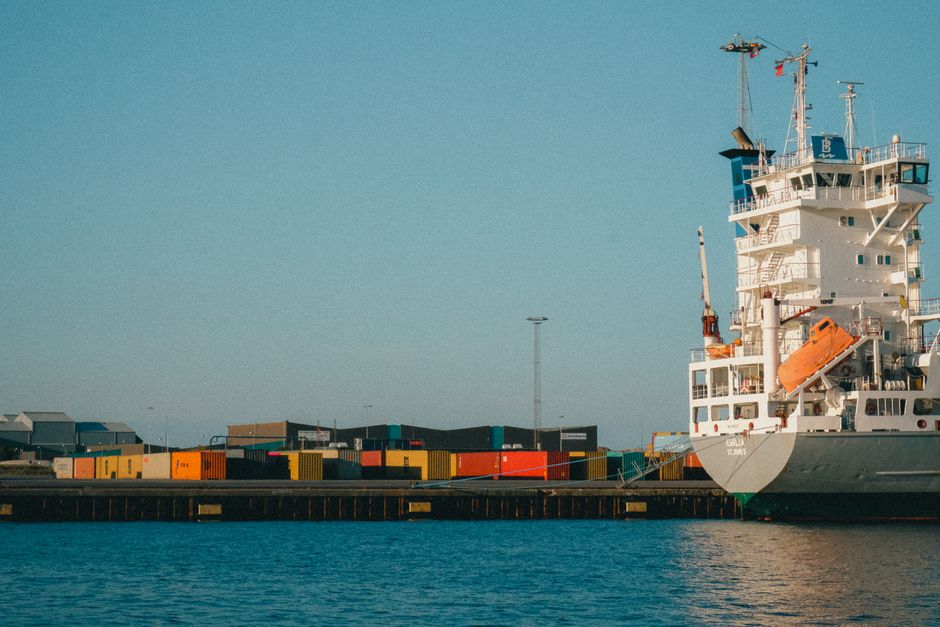
In today’s global economy, businesses are increasingly relying on shipping goods across long distances. However, with the transport of goods comes the inherent risk of loss or damage. This is where cargo insurance plays a crucial role. By protecting shipments against unforeseen circumstances, cargo insurance is not just an added expense but an essential part of logistics management.
What is Cargo Insurance?
Cargo insurance is a type of coverage designed to protect goods while they are in transit. This insurance can cover various forms of transportation, including land, air, and sea. It provides financial compensation for the loss, damage, or theft of the goods, which can occur at any point during the shipping process.
In essence, cargo insurance serves as a safety net for businesses, ensuring that they can recover from unexpected setbacks. Without this coverage, companies may face significant financial losses that could jeopardize their operations. Therefore, understanding the nuances of cargo insurance is vital for any business involved in shipping goods.
Types of Cargo Insurance
There are several types of cargo insurance policies available, each catering to different shipping needs. One of the most common types is **All-Risk Insurance**, which covers a wide range of potential issues, including damage caused by natural disasters or accidents. This policy is particularly beneficial for businesses shipping valuable or fragile items.
Another common option is **Named Perils Insurance**, which covers specific risks outlined in the policy. While this type may be less expensive, it requires businesses to carefully assess the risks their shipments may face and choose the coverage accordingly.
Lastly, businesses can consider **Open Cargo Insurance**, which provides coverage for multiple shipments over a specified period. This is ideal for companies that frequently ship goods, as it simplifies the insurance process.
The Benefits of Cargo Insurance
Investing in cargo insurance offers numerous benefits that can significantly impact a business’s bottom line. Firstly, it provides peace of mind. Knowing that goods are insured against potential losses allows business owners to focus on growth rather than worrying about unforeseen circumstances.
Moreover, cargo insurance can enhance a company’s reputation. Clients and partners are more likely to trust a business that takes the necessary steps to protect its shipments. This trust can lead to more significant business opportunities and relationships.
Additionally, having cargo insurance can lead to smoother logistics operations. In the event of a loss, businesses can quickly file claims and recover their losses, ensuring that operations continue without significant disruption.
How to Choose the Right Cargo Insurance
Selecting the right cargo insurance policy can be challenging, given the variety of options available. Businesses should start by assessing their specific shipping needs. Understanding the types of goods being shipped, their value, and the risks involved is essential.
Once these factors are clear, companies should compare different insurance providers and their policies. It is crucial to read the fine print and understand what is covered and what is not. Consulting with insurance experts can also provide valuable insights and help businesses make informed decisions.
Additionally, businesses should consider their claims history. A company with a history of frequent claims may face higher premiums, making it essential to choose a policy that balances cost with adequate coverage.
Conclusion
Cargo insurance is an indispensable component of modern logistics and shipping operations. By safeguarding shipments against potential losses, businesses can protect their investments and ensure smooth operations. Understanding the different types of cargo insurance, their benefits, and how to choose the right policy is crucial for any business engaged in shipping. As the world continues to embrace global trade, having the right cargo insurance will prove vital in navigating the complexities of transporting goods safely.
For more detailed information on the specifics of cargo insurance, you can learn more about cargo insurance and its benefits.
About the Author