
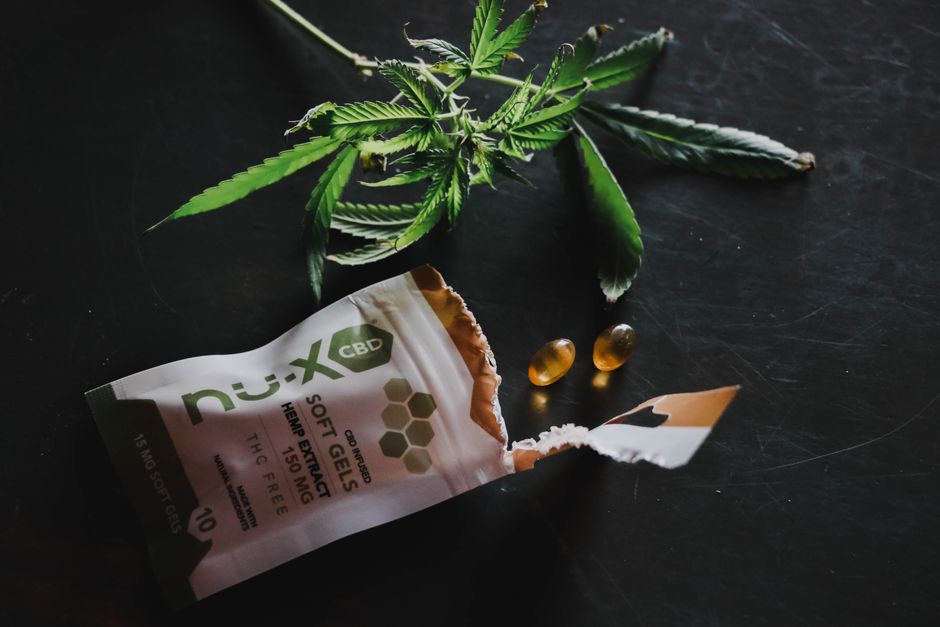
The CBD market has witnessed remarkable growth in recent years, with an increasing number of consumers turning to CBD products for their potential health benefits. As a result, the wholesale sector of CBD products is emerging as a lucrative opportunity for businesses looking to tap into this expanding market. This article will explore the dynamics of CBD product wholesale, including market trends, sourcing strategies, and regulatory considerations.
Understanding the CBD Market Landscape
The CBD market is projected to reach $13.4 billion by 2028, growing at a compound annual growth rate (CAGR) of 21.2% from 2021 to 2028. This explosive growth is driven by rising consumer awareness, increasing acceptance of cannabis-derived products, and expanding applications of CBD in various industries such as cosmetics, food, and wellness. Understanding the landscape of this market is crucial for businesses looking to venture into CBD product wholesale.
One key aspect of the CBD market is the variety of products available, ranging from oils and tinctures to edibles and topical applications. Each product category presents unique opportunities and challenges for wholesalers. For instance, while oils may have a higher profit margin, they also require careful handling and storage to maintain their efficacy. Conversely, edibles might appeal to a broader audience but come with stringent regulatory requirements.
Sourcing Quality CBD Products
Finding reliable suppliers is a critical step in the CBD product wholesale business. Wholesalers should prioritize sourcing products from manufacturers who adhere to strict quality control standards. This includes checking for third-party lab testing results, which can verify the product’s cannabinoid content and ensure it is free from harmful contaminants.
In addition to quality assurance, wholesalers should consider the sourcing process itself. Many businesses choose to work directly with hemp farms or manufacturers to cut costs and ensure product quality. However, this approach requires significant investment in relationship building and supply chain management. Alternatively, working with established wholesalers can provide access to a wider range of products and streamline the purchasing process.
Navigating Regulatory Challenges
The CBD industry is subject to a complex web of regulations that vary by state and country. Wholesalers must stay informed about these regulations to remain compliant and avoid legal pitfalls. For instance, in the United States, the 2018 Farm Bill legalized hemp-derived CBD products, but individual states have the authority to impose their own regulations.
Moreover, labeling and marketing practices for CBD products are closely monitored. Wholesalers should ensure that their products are accurately labeled, providing clear information about CBD content, ingredients, and usage instructions. Failure to comply with these regulations can lead to hefty fines and damage to a brand’s reputation.
Marketing Strategies for CBD Wholesalers
Effective marketing is essential for success in the CBD wholesale market. Wholesalers should develop a comprehensive marketing strategy that highlights the benefits of their products and differentiates them from competitors. Utilizing digital marketing channels, such as social media and email marketing, can help reach a targeted audience and build brand awareness.
Moreover, establishing partnerships with retailers can enhance visibility and increase sales. Wholesalers should actively seek out retail opportunities by attending trade shows and industry events, where they can network with potential buyers and showcase their products. Building strong relationships with retailers can lead to repeat business and brand loyalty.
Future Prospects of CBD Product Wholesale
The future of CBD product wholesale appears promising, with continued growth expected as consumer interest in CBD products rises. However, wholesalers must remain adaptable and responsive to market changes, including evolving regulations and consumer preferences. By prioritizing quality, compliance, and effective marketing strategies, businesses can position themselves for long-term success in the CBD wholesale market.
As the industry evolves, wholesalers should also consider expanding their product offerings to include innovative CBD formulations, such as those infused with other beneficial ingredients. This could attract a wider customer base and capitalize on emerging trends in health and wellness.
By navigating the challenges and leveraging the opportunities presented by the CBD market, wholesalers can play a pivotal role in shaping the future of this exciting industry. For those interested in entering the CBD space, exploring options for CBD product wholesale can be a strategic move to capitalize on this growing sector.
About the Author