In the world of music and audio production, having the right environment can make all the difference. Recording studios are designed to provide musicians and sound engineers with the tools and acoustics necessary to create high-quality recordings. However, not everyone has the means to invest in their own studio. This is where recording studio rental comes into play, offering a flexible and cost-effective solution for artists and producers alike.
Why Rent a Recording Studio?
The decision to rent a recording studio can be influenced by several factors. Firstly, the cost of building and maintaining a personal studio can be prohibitively expensive, especially for independent artists. Renting allows access to professional-grade equipment and technology without the long-term financial commitment.
Secondly, location is crucial. Many artists may not have the space or the right acoustics at home to produce their best work. A professional studio provides a dedicated environment that enhances creativity and productivity.
What to Look for in a Rental Studio
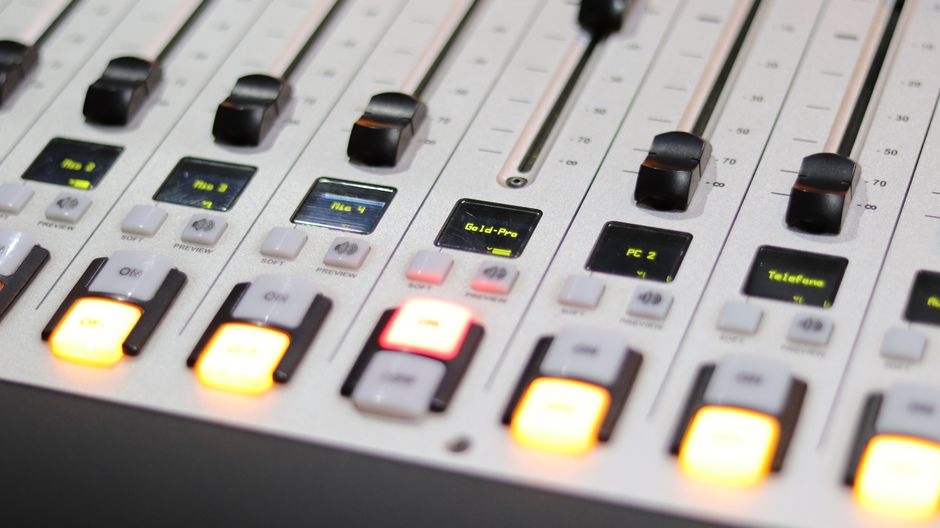
When considering a recording studio rental, it’s essential to evaluate several key aspects. First, assess the equipment available. A well-equipped studio should have high-quality microphones, mixers, and soundproofing materials. Look for studios that offer a variety of instruments and sound libraries as well.
Another important factor is the studio’s acoustics. The design of the space can significantly affect sound quality, so it’s critical to choose a studio that has been designed with acoustics in mind. Visiting potential studios and listening to previous recordings made in that space can provide insight into what to expect.
The Cost of Renting a Studio
Rental costs can vary widely depending on the studio’s location, equipment, and reputation. Typically, studios charge by the hour, with rates ranging from $25 to $300 or more per hour. It’s advisable to inquire about package deals for longer sessions or off-peak hours, which can yield considerable savings.
Additionally, consider whether the rental includes services such as an engineer or producer. Some studios provide support staff, which can be invaluable, especially for those new to the recording process. This can also impact overall costs, so factor this into your budget planning.
Maximizing Your Studio Time
Once you’ve secured a rental, it’s crucial to make the most of your time in the studio. Preparation is key; arrive with a clear vision of what you want to accomplish. This includes having your songs fully arranged and rehearsed before stepping into the recording environment.
Communication with the studio staff is also essential. Discuss your goals and any specific sounds you’re aiming to achieve. This collaborative approach can lead to better results and a more enjoyable recording experience.
Conclusion
Recording studio rentals provide an accessible way for artists to produce high-quality music without the overhead costs of owning a studio. By understanding the benefits and considerations of renting, artists can find the perfect space to unleash their creativity. Whether you’re a seasoned professional or an aspiring musician, a rental studio can be the catalyst for your next great project.
About the Author