
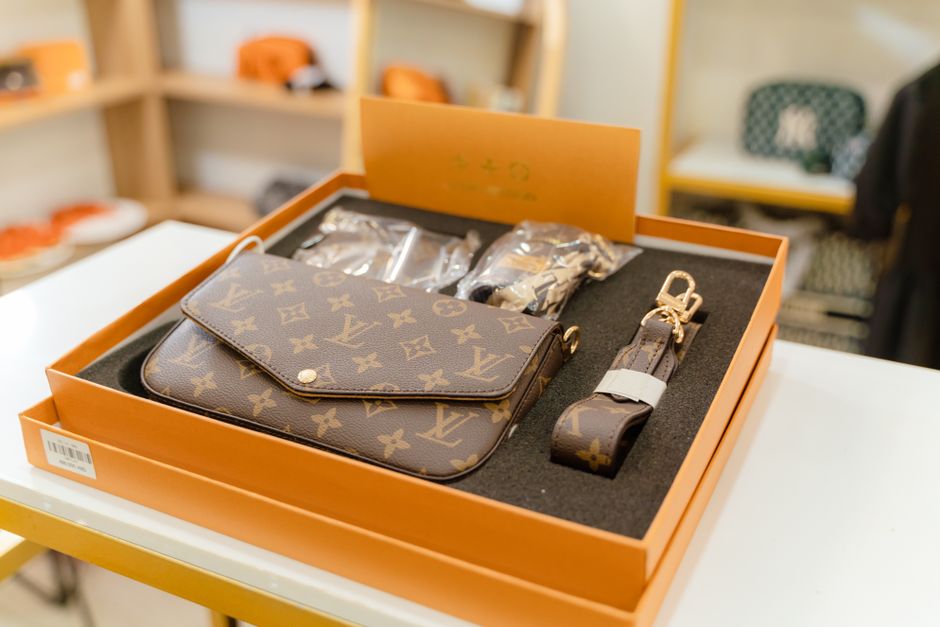
The luxury brand market has undergone significant transformation in recent years, with the emergence of luxury brand resellers taking center stage. As fashion enthusiasts seek access to exclusive items without breaking the bank, resellers have stepped in to fill the gap. This article explores the dynamics of luxury brand reselling, its impact on the fashion industry, and what consumers need to know before venturing into this burgeoning market.
Understanding Luxury Brand Reselling
Luxury brand reselling refers to the practice of purchasing high-end fashion items and selling them to consumers at a later date, often through online platforms or consignment stores. The appeal of this business model lies in the ability to offer consumers authentic luxury goods at a reduced price compared to retail.
With the rise of digital marketplaces, the luxury resale market has grown exponentially. According to a report by ThredUp, the secondhand market is projected to reach $64 billion by 2024, fueled by consumer demand for sustainable fashion choices and the desire for unique, high-quality items.
For many, becoming a luxury brand reseller is not just a business opportunity but also a way to engage with fashion in a meaningful way. By reselling, individuals can curate their collections and share their passion for luxury brands with a wider audience.
The Benefits of Luxury Reselling
One of the primary benefits of luxury brand reselling is accessibility. Consumers who may not be able to afford new luxury items can find pre-owned options that are still in excellent condition. This democratization of luxury fashion allows more people to experience high-end brands.
Additionally, reselling luxury items promotes sustainability. The fashion industry is notorious for its environmental impact, and by purchasing secondhand goods, consumers can help reduce waste. Brands like Gucci and Stella McCartney are increasingly encouraging this trend, integrating sustainability into their business models.
Furthermore, reselling can be a lucrative business. Resellers often see significant profit margins, especially when dealing with rare or limited-edition items. According to research, certain luxury items can appreciate in value over time, making them not just a purchase but an investment.
Challenges in the Reselling Market
While luxury brand reselling presents numerous opportunities, it also comes with challenges. One of the biggest hurdles is ensuring authenticity. With the proliferation of counterfeit goods, resellers must be diligent in verifying the items they sell.
Another challenge is pricing. Resellers must be strategic in setting prices that reflect both the item’s value and market demand. Overpricing can lead to stagnant inventory, while underpricing can result in lost profits. Staying informed about market trends and consumer preferences is crucial for success.
Moreover, the reselling market is becoming increasingly competitive. As more individuals enter the space, standing out becomes essential. Effective marketing strategies, strong social media presence, and excellent customer service can set successful resellers apart from their peers.
How to Start as a Luxury Brand Reseller
If you’re considering entering the luxury resale market, there are several steps to take. First, research the brands and items that are currently in demand. Understanding what sells well can guide your purchasing decisions.
Next, build your network. Connecting with other resellers, attending fashion events, and engaging with online communities can provide valuable insights and opportunities. Networking can also help you find reliable sources for acquiring luxury items.
Lastly, choose the right platform for selling. Whether you opt for established platforms like The RealReal or Poshmark, or decide to create your own online store, ensure that your chosen platform aligns with your business goals and target audience.
Conclusion: The Future of Luxury Brand Reselling
The luxury brand reselling market is poised for continued growth as consumers increasingly prioritize sustainability and affordable access to high-end fashion. As new platforms emerge and consumer behaviors evolve, resellers who adapt to these changes will thrive. Whether you’re a seasoned reseller or just starting out, understanding the intricacies of this market will be essential for success in the dynamic world of luxury fashion.
About the Author