
In today’s digital age, music videos have evolved into a vital component of an artist’s promotional strategy. They serve not only as a means of artistic expression but also as a powerful marketing tool that can enhance an artist’s visibility and reach. The production of a music video involves a blend of creativity, technical skills, and strategic planning to convey the artist’s vision effectively.
Understanding the Basics of Music Video Production
Music video production is a multifaceted process that encompasses several stages, including pre-production, production, and post-production. During pre-production, the concept for the video is developed, which involves brainstorming ideas, scripting, and storyboarding. This stage is crucial as it sets the tone and direction for the entire project.
Once the concept is finalized, the production phase begins. This involves filming the video, which may include various elements such as choreography, set design, and cinematography. Each of these components is integral to creating a visually appealing and engaging video. For instance, a well-choreographed dance sequence can enhance the emotional impact of the song, while creative set designs can bring the artist’s vision to life.
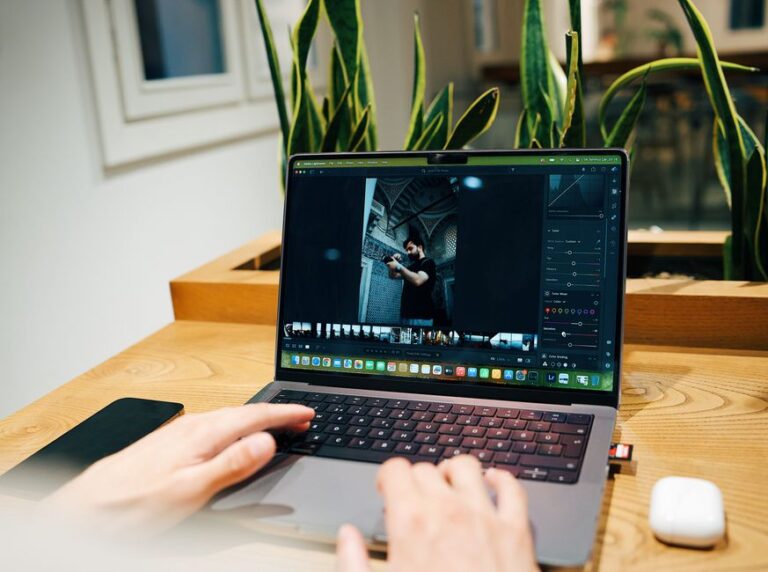
After filming is complete, the project moves into post-production. This stage includes editing, sound design, and visual effects. The editing process is where the magic happens, as the raw footage is transformed into a polished final product. This is also the time when any necessary special effects are added to elevate the visual storytelling.
The Importance of a Strong Concept
A strong concept is the backbone of any successful music video. It not only captivates the audience but also reflects the artist’s brand and message. For example, consider the music video for “This Is America” by Childish Gambino. The video was meticulously crafted to address pressing social issues while showcasing powerful imagery that resonated with viewers worldwide.
When developing a concept, it’s essential to consider the target audience and the message the artist wants to convey. Engaging the audience emotionally can lead to a more memorable experience. Additionally, a unique concept can set the video apart from others, making it more shareable and likely to go viral.
Moreover, collaboration with creative professionals, such as directors and cinematographers, can enrich the conceptualization process. Their expertise can bring fresh perspectives and innovative ideas, ultimately enhancing the overall quality of the production.
Budgeting for Music Video Production
Budgeting is a critical aspect of music video production. Costs can vary widely depending on the scale of the project, the talent involved, and the production quality desired. On average, an independent music video can cost anywhere from $1,000 to $10,000, while high-profile productions can exceed $100,000.
When budgeting, it’s important to allocate funds wisely across different areas, including location, crew, equipment, and post-production. For instance, investing in high-quality cameras and sound equipment can significantly enhance the production value. Additionally, hiring experienced professionals can lead to a smoother production process and better final results.
It’s also wise to keep a contingency fund. Unexpected expenses often arise during production, and having a buffer can alleviate financial stress and ensure the project stays on track.
Marketing and Distribution Strategies
Once the music video is complete, the next step is marketing and distribution. A well-planned release strategy can maximize the video’s reach and impact. Social media platforms, such as YouTube, Instagram, and TikTok, play a crucial role in promoting music videos today.
Creating teasers or behind-the-scenes content can generate excitement leading up to the release. Engaging with fans through social media can also foster a sense of community and encourage sharing. Additionally, collaborating with influencers or other artists can broaden the video’s exposure to new audiences.
Moreover, utilizing analytics tools to track the video’s performance can provide valuable insights into audience engagement and areas for improvement in future projects. Understanding how viewers interact with the content can inform better marketing strategies moving forward.
Conclusion: The Future of Music Video Production
The landscape of music video production is constantly evolving, influenced by technological advancements and changing audience preferences. As virtual reality and interactive videos become more mainstream, artists and producers will need to adapt to these trends to stay relevant.
Ultimately, music video production is an intricate dance between artistry and strategy. By understanding the various elements involved and embracing innovation, artists can create compelling content that resonates with audiences and elevates their music career. The process may be challenging, but the rewards of a well-produced music video—both creatively and commercially—are significant.
For those looking to delve deeper into the intricacies of music video production, exploring different styles and techniques can provide further inspiration and insight into crafting standout visual experiences.
About the Author