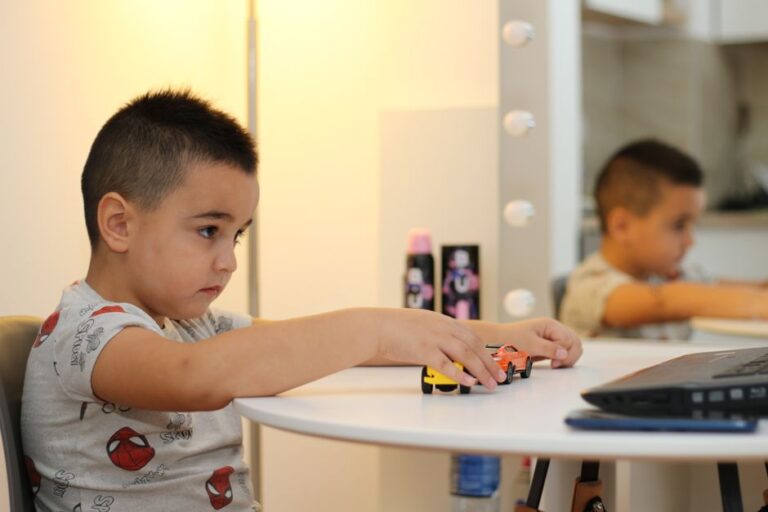
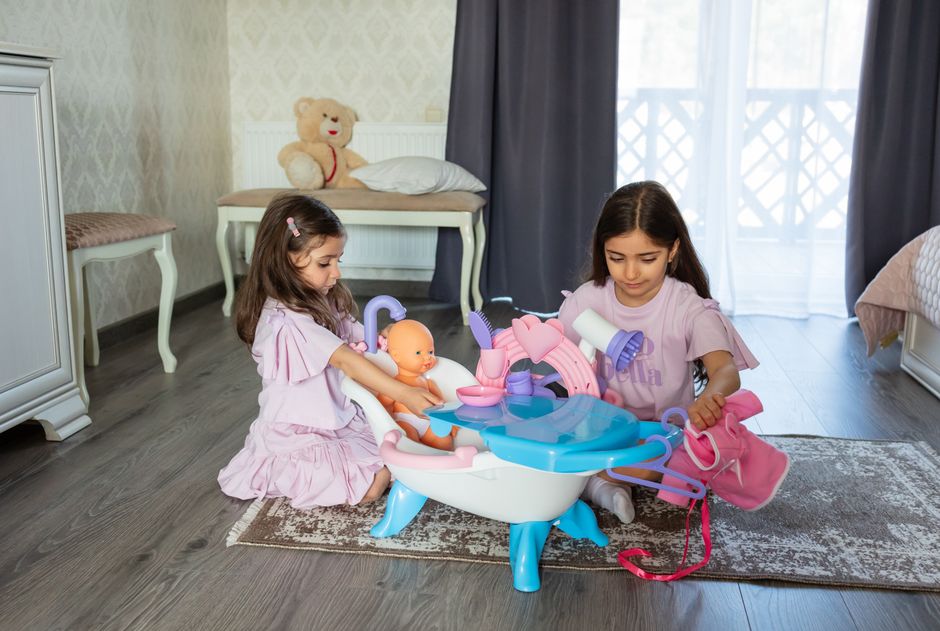
The world of children’s toys has undergone a remarkable transformation over the past few decades. From traditional wooden toys to high-tech interactive gadgets, the evolution of children’s toys reflects changes in technology, culture, and consumer preferences. Understanding the role of children toy manufacturers in this landscape is essential for parents, educators, and industry stakeholders alike.
The History of Children’s Toys
Children’s toys have a rich history that dates back to ancient civilizations. Archaeological findings suggest that even in ancient Egypt and Greece, children were given simple toys made from natural materials such as wood and clay. These toys often served dual purposes: they were not only objects of play but also tools for learning and development.
As society evolved, so did the types of toys available. The Industrial Revolution marked a significant turning point, as mass production allowed for a wider variety of toys to be manufactured at lower costs. This period saw the rise of iconic toys, such as dolls and tin soldiers, which became popular among children across various social classes.
Today, the toy industry is a billion-dollar market, with a diverse range of products catering to different age groups and interests. This evolution has been driven by advancements in technology and a deeper understanding of child development.
Current Trends in the Toy Industry
The toy industry is constantly adapting to new trends and consumer demands. One of the most significant trends in recent years has been the shift towards educational toys that promote learning through play. Manufacturers are increasingly focusing on STEM (Science, Technology, Engineering, and Mathematics) toys that encourage children to explore these subjects in an engaging way.
Moreover, sustainability has become a key concern for many consumers. Parents are now more inclined to purchase toys made from eco-friendly materials. In response, many children toy manufacturers are adopting sustainable practices and offering products that are both fun and environmentally responsible. children toy manufacturer companies are leading the charge in this area, creating toys that minimize environmental impact.
The Role of Technology in Toy Manufacturing
Technology plays a critical role in the modern toy industry. Smart toys equipped with artificial intelligence and connectivity features are becoming increasingly popular. These toys can interact with children, adapt to their learning styles, and even provide feedback to parents on their child’s development.
Additionally, augmented reality (AR) and virtual reality (VR) technologies are beginning to shape the way children play. Toys that incorporate AR offer immersive experiences that blend physical play with digital interaction, enhancing engagement and learning.
Manufacturers are also utilizing advanced manufacturing techniques, such as 3D printing, to create customized toys. This technology allows for rapid prototyping and the ability to produce unique designs tailored to specific consumer preferences, setting a new standard in the industry.
Challenges Facing Children Toy Manufacturers
Despite the thriving market, children toy manufacturers face several challenges. Safety regulations are stringent, requiring companies to thoroughly test their products to ensure they meet safety standards. This process can be time-consuming and costly, especially for smaller manufacturers.
Another challenge is the fierce competition within the industry. With numerous brands vying for market share, standing out becomes increasingly difficult. Companies must be innovative and responsive to changing consumer preferences, all while maintaining quality and safety.
Lastly, the rise of digital entertainment poses a challenge to traditional toy manufacturers. Many children now spend more time on screens than playing with physical toys, prompting manufacturers to rethink their strategies and find ways to integrate digital experiences with physical play.
Looking Ahead: The Future of Toy Manufacturing
The future of children toy manufacturers looks promising, with several exciting trends on the horizon. The integration of technology into toys will continue to grow, offering new ways for children to learn and play. Moreover, the focus on sustainability will likely intensify as consumers become more environmentally conscious.
Furthermore, as the world becomes increasingly interconnected, manufacturers will have opportunities to expand into emerging markets, reaching new customers and adapting to diverse cultural preferences.
Overall, the toy industry is poised for continued growth and innovation, driven by the evolving needs and desires of children and their families.
Conclusion
Children toy manufacturers play a pivotal role in shaping childhood experiences. By understanding the history, current trends, challenges, and future outlook of the industry, stakeholders can make informed decisions that promote healthy development and enjoyment for children worldwide. As we look to the future, it is clear that the toy industry will continue to evolve, reflecting the dynamic nature of society and technology.
About the Author