In a world where dining is not just about food but also about experience, the role of restaurant interior design has become increasingly significant. The ambiance and aesthetic of a restaurant can greatly influence a customer’s perception and overall satisfaction. From cozy bistros to lavish fine dining establishments, the design of a restaurant sets the tone for the entire dining experience. In this article, we will explore the essential elements of restaurant interior design, trends to watch, and how to create a captivating atmosphere that attracts patrons.
Understanding the Basics of Restaurant Interior Design
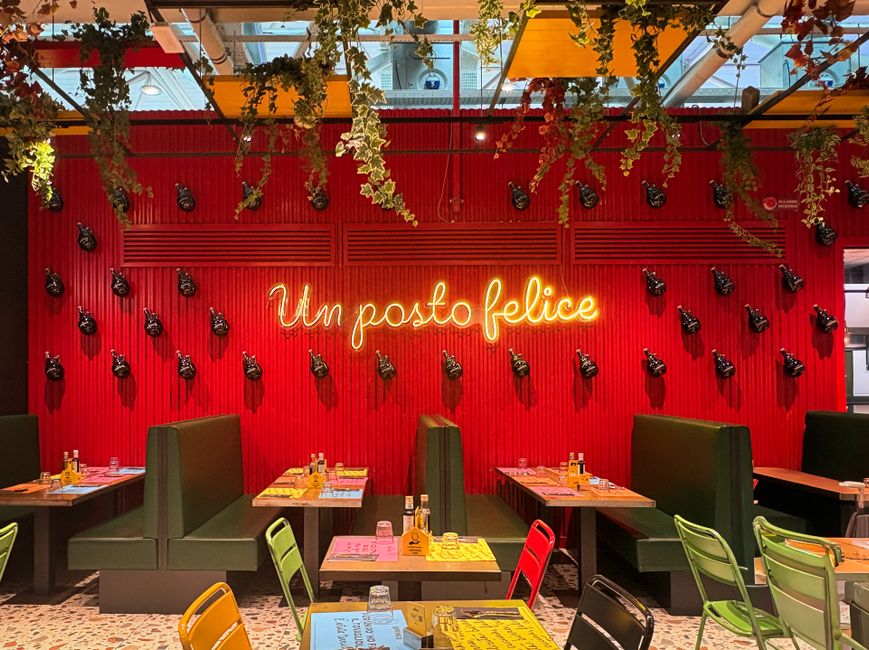
The foundation of successful restaurant interior design lies in understanding the core principles that govern space, color, lighting, and furniture. Each element plays a crucial role in shaping the customer’s experience. For instance, the choice of color can evoke different emotions; warm tones like reds and oranges can stimulate appetite, while cooler tones like blues can create a calm atmosphere.
Moreover, effective space planning is essential. A well-designed layout ensures smooth traffic flow, allowing for easy movement of both customers and staff. Consideration of seating arrangements is paramount; whether it’s intimate booths for couples or communal tables for larger groups, different setups cater to varying dining preferences.
Additionally, lighting significantly impacts the mood. Natural light during the day can create a warm and inviting environment, while softer, dimmed lights in the evening can enhance the dining experience. Incorporating various types of lighting, such as ambient, task, and accent lighting, can add depth and interest to the design.
Current Trends in Restaurant Interior Design
As consumer preferences evolve, so do the trends in restaurant interior design. One prominent trend is the emphasis on sustainability. Many restaurants are opting for eco-friendly materials, such as reclaimed wood and recycled metals, which not only benefit the environment but also add character to the space.
Another trend is the incorporation of technology. Smart lighting systems, interactive menus, and digital art installations are becoming commonplace, enhancing the customer experience while also streamlining operations. Moreover, the use of open kitchens allows diners to witness culinary artistry firsthand, fostering a sense of connection between the kitchen and the dining area.
Furthermore, biophilic design—a concept that connects people to nature—is gaining traction. By integrating plants and natural elements into the interior, restaurants can create a calming atmosphere that promotes well-being. This trend not only beautifies the space but also improves air quality, making it a win-win for both customers and the establishment.
Creating a Cohesive Theme
Establishing a cohesive theme is vital for any restaurant’s identity. This theme should resonate through every aspect of the design, from the decor to the menu. For example, a Mediterranean restaurant may feature earthy tones, terracotta tiles, and rustic wooden furniture, all while serving dishes that reflect the region’s culinary heritage.
Moreover, branding plays a significant role in interior design. The logo, color palette, and overall aesthetic should align to create a memorable identity that patrons can easily recognize. Consistency in design elements reinforces the brand’s message and enhances customer loyalty.
To illustrate, consider a restaurant that specializes in farm-to-table cuisine. The interior might showcase local artwork, use sustainable materials, and incorporate elements that reflect the agricultural roots of the food served. Such a thoughtful design not only enhances the dining experience but also tells a story that patrons can connect with.
Practical Considerations for Restaurant Owners
For restaurant owners, practical considerations are crucial when embarking on an interior design project. Budget constraints often dictate the scale and scope of design changes. It’s essential to prioritize key elements that will have the most significant impact on the customer experience.
Furthermore, seeking professional assistance can be invaluable. Hiring a skilled designer who specializes in restaurant interior design can help translate a vision into a workable plan, ensuring that all aspects of design are harmoniously integrated.
Finally, don’t overlook the importance of customer feedback. Engaging with patrons can provide insight into what works and what needs improvement within the space. Regularly updating and refreshing the interior can keep the dining experience exciting and relevant, encouraging repeat visits.
Conclusion
In conclusion, the art of restaurant interior design goes beyond mere aesthetics; it is a crucial component that shapes the overall dining experience. By understanding the basics, staying on top of trends, creating a cohesive theme, and considering practical aspects, restaurant owners can cultivate an inviting atmosphere that not only attracts customers but also fosters loyalty. As the dining landscape continues to evolve, those who invest in thoughtful and innovative design will undoubtedly stand out in the competitive market.
About the Author