In recent years, the significance of plastic recycling has surged to the forefront of environmental discussions. As the world grapples with the consequences of plastic pollution, plastic recycling companies have emerged as pivotal players in the quest for sustainability. These companies not only help reduce the volume of plastic waste but also contribute to a circular economy that promises a healthier planet. This article delves into the operations, challenges, and impacts of plastic recycling companies in our society.
Understanding Plastic Recycling
To appreciate the role of plastic recycling companies, it’s essential to understand what plastic recycling entails. Plastic recycling involves collecting, processing, and transforming used plastic products into new materials. This process not only conserves resources but also significantly reduces greenhouse gas emissions compared to producing new plastics from raw materials. According to the Environmental Protection Agency (EPA), recycling one ton of plastic can save up to 7.4 cubic yards of landfill space and prevent the emission of 3.8 metric tons of carbon dioxide.
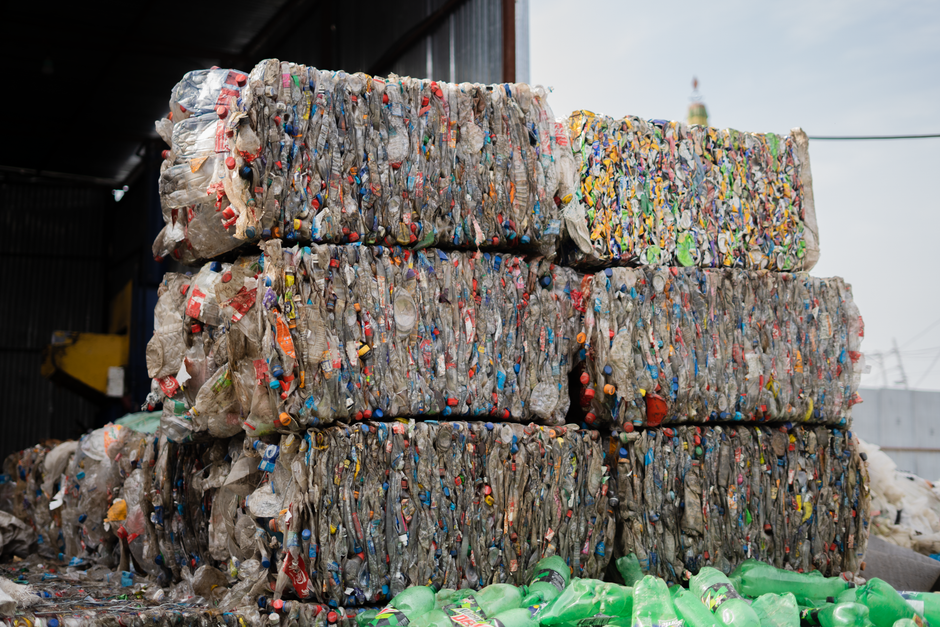
Furthermore, the recycling process can be broken down into various steps, including sorting, shredding, washing, and reconstituting. Each step is critical in ensuring that the final product is of high quality and can be used effectively in manufacturing new products. Plastic recycling companies utilize advanced technologies to streamline these processes, thereby enhancing efficiency and reducing costs.
The Economic Benefits of Plastic Recycling Companies
Plastic recycling companies play a significant role in the economy. They create jobs, stimulate local economies, and provide valuable materials for manufacturers. The recycling industry employs over 1.1 million people in the United States alone, according to the National Recycling Coalition. These jobs range from collection and sorting to processing and distribution, providing a wide array of employment opportunities.
Moreover, the materials generated from plastic recycling are often less expensive than virgin materials, making them attractive to manufacturers. For instance, recycled PET (rPET) is commonly used in the production of new bottles, clothing, and packaging materials. This not only supports a sustainable approach to production but also encourages manufacturers to opt for recycled materials, further driving demand for plastic recycling companies.
Challenges Faced by Plastic Recycling Companies
Despite their essential role, plastic recycling companies face numerous challenges. One of the most significant hurdles is the contamination of recyclables. Many consumers are unaware of the importance of properly cleaning and sorting their plastics before disposal. Contaminated materials can lead to increased costs and reduced efficiency in the recycling process.
Additionally, fluctuating market prices for recycled materials can create uncertainty for recycling companies. These companies often depend on the market demand for their products, which can be volatile. For example, during economic downturns, the demand for recycled plastics may decline, impacting the profitability of recycling operations.
The Future of Plastic Recycling
The future of plastic recycling companies looks promising, particularly with the growing awareness of environmental issues. Consumers are increasingly demanding sustainable products, and companies are responding by implementing more robust recycling initiatives. For example, many major corporations have committed to using recycled plastics in their products, fostering a greater demand for plastic recycling services.
Moreover, technological advancements continue to enhance recycling processes. Innovations such as chemical recycling, which breaks down plastics into their fundamental components, are paving the way for more efficient recycling methods. As these technologies mature, they hold the potential to revolutionize the recycling industry.
Plastic recycling companies are also collaborating with governments and non-profit organizations to promote awareness and educate the public about the importance of recycling. Initiatives aimed at improving recycling infrastructure and policies are critical for ensuring a steady supply of recyclable materials.
Conclusion
In conclusion, plastic recycling companies are vital to achieving a sustainable future. They not only mitigate the environmental impact of plastic waste but also contribute to economic growth and job creation. While challenges remain, the increasing focus on sustainability and technological advancements presents a bright future for the recycling industry. By supporting and investing in plastic recycling companies, we can collectively work towards a cleaner, more sustainable planet. If you are interested in learning more about the operations of a plastic recycling company, consider reaching out to industry experts who can provide insights into best practices and innovations in the field.
About the Author