Aerial drone photography has transformed the way we capture images, offering stunning perspectives that were once the domain of helicopters and planes. With the advancement of technology, drones have become accessible to both professionals and amateurs, allowing a wider audience to explore the beauty of aerial imagery. This article delves into the intricacies of aerial drone photography, its applications, and tips for capturing breathtaking shots.
Understanding Aerial Drone Photography
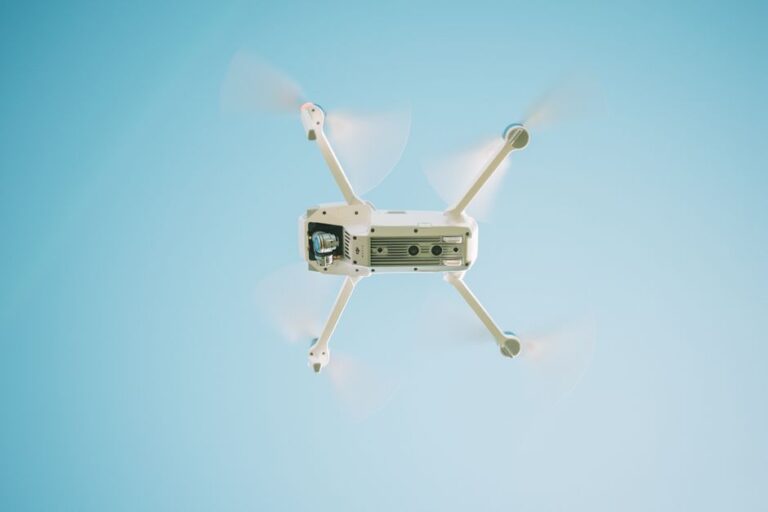
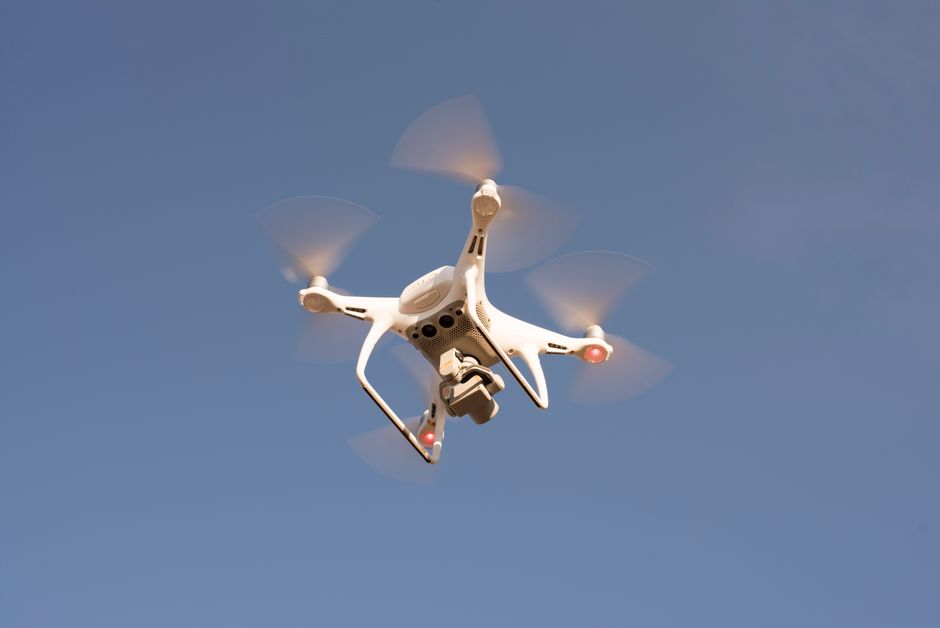
Aerial drone photography involves the use of drones equipped with cameras to take photographs from an elevated perspective. This technique provides a unique vantage point, revealing scenes that might be overlooked from the ground. The use of drones has democratized aerial photography, making it possible for anyone with a drone to capture stunning images from the sky.
According to a study by the Association for Unmanned Vehicle Systems International (AUVSI), the global commercial drone market is projected to reach $43 billion by 2024. This growth is fueled by the increasing applications of drones in various sectors, including real estate, agriculture, and environmental monitoring. The ability to capture high-resolution images from above is revolutionizing industries, providing insights and data that were previously difficult to obtain.
Furthermore, the integration of GPS technology and advanced stabilization systems in modern drones ensures that the images captured are not only visually appealing but also technically sound. This advancement allows photographers to focus on creativity without worrying about the technical aspects of flying and shooting.
Applications of Aerial Drone Photography
The applications of aerial drone photography are vast and varied, spanning multiple industries. In real estate, for instance, aerial images can showcase properties in a way that traditional photography cannot. Aerial shots highlight the surrounding area, giving potential buyers a better idea of the property’s location and its features.
In agriculture, farmers utilize aerial drone photography to monitor crop health and assess land conditions. Drones equipped with multispectral cameras can provide farmers with data on plant health, helping them make informed decisions about irrigation and fertilization. This technology not only increases efficiency but also promotes sustainable farming practices.
Moreover, aerial drone photography has become an essential tool in disaster management. Drones can quickly survey affected areas, providing real-time data to emergency responders. This capability enhances the response efforts during natural disasters, enabling teams to assess damage and allocate resources more effectively.
Tips for Capturing Stunning Aerial Images
To make the most out of aerial drone photography, there are several tips that photographers should consider. First and foremost, understanding the drone’s capabilities is crucial. Each drone has unique features, and knowing how to leverage them can significantly impact the quality of the images captured.
Choosing the right time of day is another important factor. The golden hour, shortly after sunrise or before sunset, provides soft lighting that enhances the beauty of photographs. The warm tones during this time can create a magical atmosphere in aerial shots.
Furthermore, experimenting with different angles and heights can lead to more dynamic compositions. While it might be tempting to shoot straight down, capturing images at an angle can add depth and interest to the photographs. Additionally, incorporating elements from the foreground can create a sense of scale and context within the image.
The Future of Aerial Drone Photography
The future of aerial drone photography looks promising, with continuous advancements in technology. As drones become more sophisticated, we can expect improved image quality, longer flight times, and enhanced automation features. These advancements will open new avenues for creative expression and broaden the scope of aerial photography.
Moreover, the integration of artificial intelligence (AI) in drone technology may streamline the process of capturing and editing images. AI can assist in identifying the best angles, optimizing settings, and even editing images in real-time. This could make aerial drone photography more accessible to newcomers, allowing them to focus on creativity rather than technical challenges.
As regulations around drone usage continue to evolve, the opportunities for aerial drone photography will expand. Clearer guidelines will encourage more people to explore this exciting medium, leading to a richer diversity of perspectives and stories captured from the sky.
Conclusion
Aerial drone photography has revolutionized the way we perceive and capture the world around us. With its myriad applications and the potential for creative exploration, it stands at the forefront of modern photography. By understanding the technology, experimenting with techniques, and keeping an eye on future developments, aspiring photographers can harness the power of drones to create breathtaking imagery. For those looking to delve deeper into this exciting field, exploring resources on aerial drone photography can provide valuable insights and inspiration.
About the Author