In recent years, aerial drone photography has revolutionized the way we capture images from the skies. With advancements in technology, photographers and videographers are now able to create stunning visuals that were once only possible with expensive equipment and helicopters. This article will explore the various aspects of aerial drone photography, including its benefits, equipment, techniques, and potential applications.
Understanding Aerial Drone Photography
Aerial drone photography involves using unmanned aerial vehicles (UAVs) equipped with cameras to take photographs and videos from an elevated perspective. This technique has gained popularity among both professional photographers and hobbyists due to its ability to provide unique angles and perspectives that traditional photography cannot achieve. Furthermore, the accessibility and affordability of drones have made aerial photography more accessible than ever before.
According to a report by the Federal Aviation Administration (FAA), the number of registered drones in the United States surpassed 1.7 million in 2020, a clear indication of the growing interest in this field. The rise in drone usage has also led to the development of various regulations to ensure safe operation, particularly in populated areas.
Essential Equipment for Aerial Photography
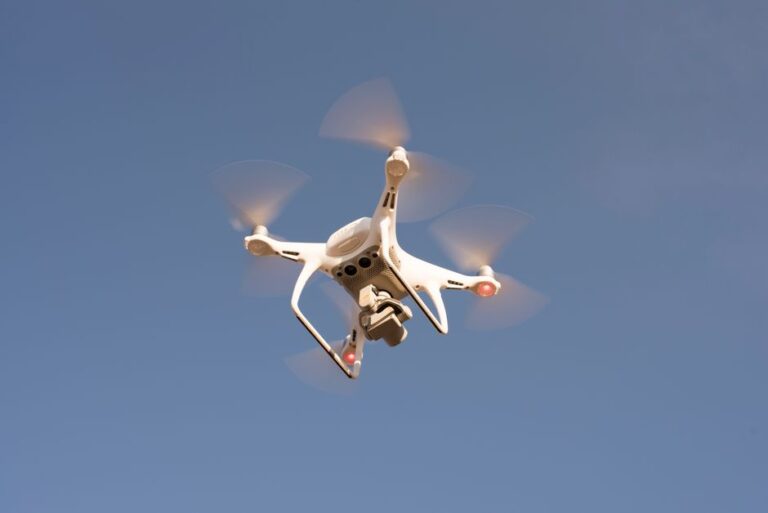
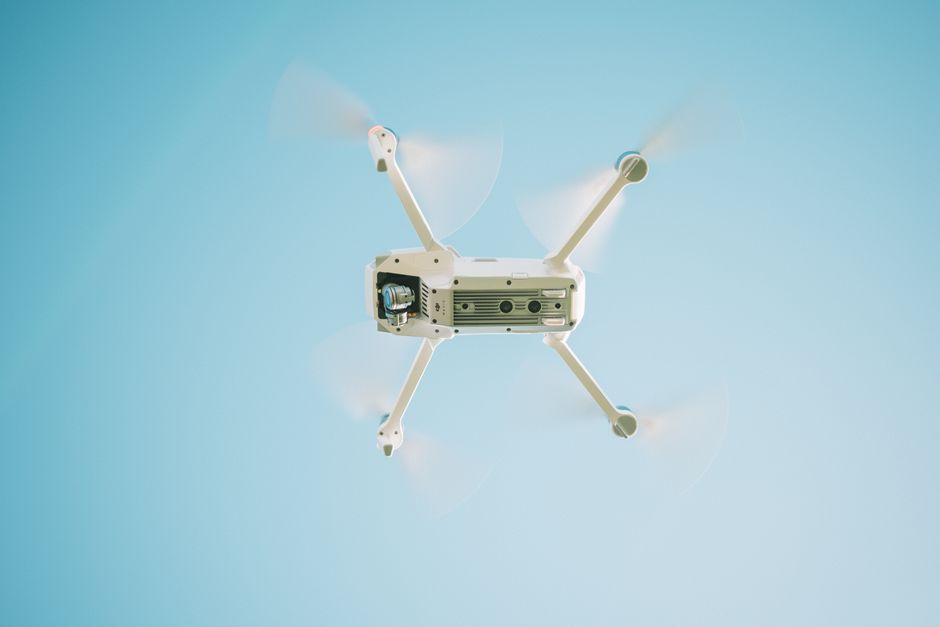
To embark on a successful aerial photography journey, having the right equipment is crucial. At the heart of it all is the drone itself. Popular models for aerial photography include the DJI Phantom series and the Mavic series, known for their reliability and high-quality cameras. These drones often come with features such as GPS, stabilization systems, and obstacle avoidance, making them user-friendly even for beginners.
In addition to the drone, photographers should consider investing in additional accessories such as extra batteries, ND filters, and a sturdy carrying case. ND filters are particularly important as they help reduce glare and improve image quality by allowing for longer exposure times.
One of the most significant advancements in drone technology is the integration of high-resolution cameras capable of shooting in 4K and even 8K. Such capabilities allow photographers to capture incredibly detailed images that can be used for various applications, from marketing to artistic expressions.
Techniques for Stunning Aerial Shots
To create breathtaking aerial shots, understanding various photography techniques is essential. One of the most effective methods is to experiment with different altitudes. Flying at varying heights can drastically change the composition of the photograph, allowing for a more dynamic image.
Another technique involves using the rule of thirds, a fundamental principle in photography that helps create balanced and engaging compositions. By positioning the main subject off-center, photographers can create a more visually appealing image.
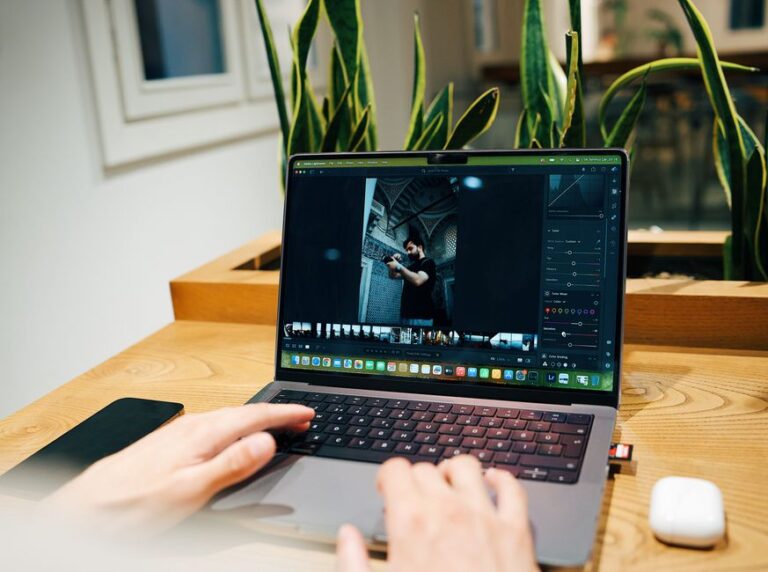
Lighting also plays a crucial role in aerial photography. The golden hour, shortly after sunrise or before sunset, is often considered the best time to shoot, as the soft, warm light enhances the overall quality of the images. Additionally, utilizing software for post-processing can help enhance colors and correct any imperfections in the images.
Applications of Aerial Drone Photography
The applications of aerial drone photography are vast and varied. In the real estate industry, aerial shots provide potential buyers with a unique perspective of properties, showcasing their surroundings and features effectively. Aerial imagery can help real estate agents stand out in a competitive market.
In agriculture, drones are increasingly being used for crop monitoring and analysis. Farmers can assess land conditions, detect crop diseases, and optimize irrigation practices by capturing high-resolution images from above. This data-driven approach allows for better decision-making and increased yields.
Moreover, aerial drone photography has found its place in event coverage, wildlife monitoring, and even search and rescue operations. The ability to capture comprehensive views of landscapes and environments has opened up new possibilities for various industries.
The Future of Aerial Drone Photography
As technology continues to evolve, the future of aerial drone photography looks promising. Innovations such as AI-driven image analysis and improved battery life are expected to enhance the capabilities of drones further. Additionally, the integration of 5G technology will allow for real-time data transmission, making it easier for photographers to control their drones and view the footage live.
Furthermore, the growing emphasis on environmental sustainability may lead to the development of eco-friendly drones, minimizing the impact on wildlife and natural habitats. As regulations become more established, the opportunities for aerial drone photography will continue to expand, providing photographers with new avenues to explore.
For those interested in diving into this exciting field, resources such as workshops and online courses are widely available. Engaging with the community and staying updated on the latest trends can significantly enhance one’s skills in aerial photography.
Conclusion
Aerial drone photography has transformed the landscape of visual storytelling, offering unparalleled perspectives and creative opportunities. As technology advances, this field will undoubtedly continue to grow, providing photographers with the tools to capture the world from above. Whether for professional use or personal enjoyment, aerial photography is a captivating art form that invites exploration and innovation. For those looking to elevate their photography game, embracing aerial drone photography may just be the key to unlocking new creative horizons.
About the Author