
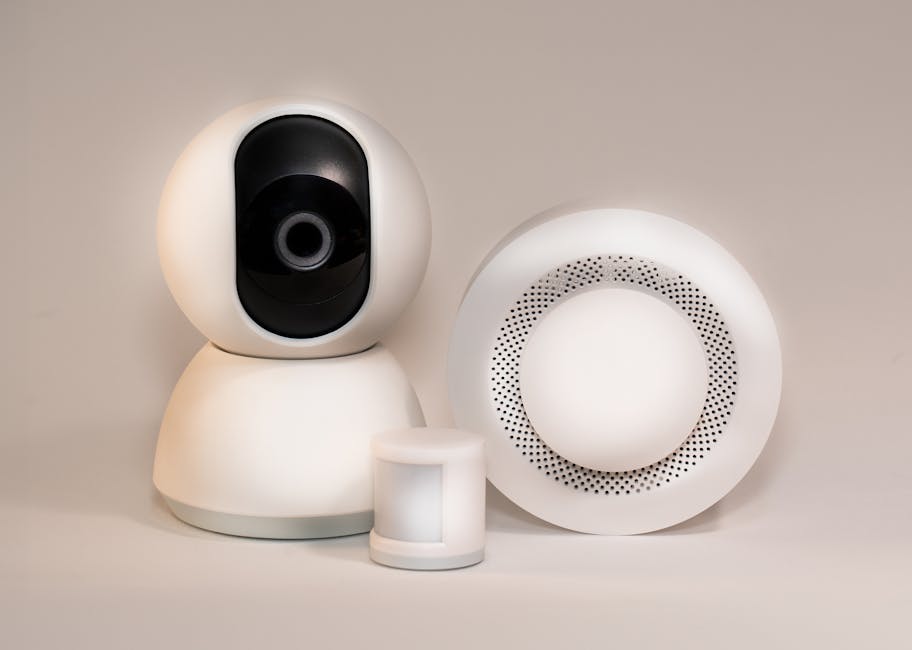
In the age of artificial intelligence, one of the most fascinating developments is the emergence of AI image detectors. These sophisticated systems utilize machine learning algorithms to analyze images, recognize patterns, and make decisions based on visual data. As the demand for image processing technology continues to grow across various industries, understanding how AI image detectors work and their potential applications becomes essential.
What is an AI Image Detector?
AI image detectors are systems designed to identify and classify objects within images. They leverage deep learning techniques, particularly convolutional neural networks (CNNs), to process pixel data and learn from vast datasets. By training on millions of images, these detectors can achieve remarkable accuracy in recognizing faces, objects, and even complex scenes.
For instance, in the field of security, AI image detectors can analyze surveillance footage to identify suspicious activities or recognize individuals in real-time. This functionality is crucial for enhancing public safety and streamlining security operations.
How AI Image Detectors Work
The functioning of AI image detectors involves several key steps. Initially, the system is trained on labeled datasets, which means that each image in the dataset is tagged with corresponding information about what it contains. This training phase is critical as it enables the model to learn the features that distinguish different objects.
Once the model is trained, it can then analyze new, unseen images. The AI image detector processes the image through multiple layers of the neural network, extracting features and making predictions based on the learned patterns. The result is an output that indicates the detected objects, often with a confidence score reflecting the likelihood of accuracy.
To illustrate, a recent study showed that an advanced AI image detector achieved over 95% accuracy in classifying objects in a diverse image dataset, demonstrating the technology’s potential in various applications.
Applications of AI Image Detectors
The applications of AI image detectors are vast and diverse. In the healthcare sector, for example, these systems can assist radiologists in identifying tumors in medical images with high precision. AI image detectors can analyze X-rays, MRIs, and CT scans, significantly reducing the time required for diagnosis and enhancing patient outcomes.
Moreover, in retail, AI image detectors are used to monitor inventory levels and analyze customer behavior. By processing images from store cameras, retailers can gain insights into shopping patterns, optimize product placements, and improve overall customer experience.
Additionally, the automotive industry is leveraging AI image detectors for the development of autonomous vehicles. These systems rely on real-time image analysis to detect pedestrians, road signs, and other vehicles, ensuring safe navigation without human intervention.
Challenges and Limitations
Despite the remarkable capabilities of AI image detectors, several challenges and limitations persist. One of the primary concerns is the potential for bias in the training data. If a model is trained on biased datasets, it may lead to inaccurate predictions or reinforce existing stereotypes.
Furthermore, AI image detectors can struggle with images that contain multiple objects or complex backgrounds. In such cases, the system may misidentify or overlook certain elements, leading to incorrect conclusions.
To mitigate these issues, ongoing research focuses on improving the robustness of AI models and ensuring they are trained on diverse and representative datasets. This is crucial for building reliable systems that can perform accurately across various scenarios.
The Future of AI Image Detectors
Looking ahead, the future of AI image detectors appears promising. With advancements in deep learning techniques and increased computational power, these systems are expected to become even more accurate and efficient.
Furthermore, the integration of AI image detectors with other technologies, such as IoT devices and cloud computing, will enhance their capabilities. For example, combining AI image detection with real-time data analysis can lead to smarter security systems and more personalized customer experiences.
As we continue to explore the potential of AI image detectors, tools like ai image detector will play a pivotal role in shaping the future of image processing technology.
Conclusion
AI image detectors represent a significant leap forward in the field of artificial intelligence and image processing. Their ability to analyze and interpret visual data has far-reaching implications across industries, from healthcare to retail and automotive. While challenges remain, ongoing advancements promise to enhance their reliability and applicability. As these technologies evolve, they will undoubtedly transform the way we interact with and utilize visual information in our daily lives.
About the Author