In the age of technology and rapid digital transformation, the concept of love has evolved dramatically. Virtual lovers, often powered by artificial intelligence, are increasingly becoming a part of our lives. These digital companions offer emotional support, companionship, and even romantic interactions, blurring the lines between reality and fantasy. In this article, we will delve into the world of virtual lovers, examining their impact on relationships, the technology behind them, and what the future may hold for this intriguing phenomenon.
The Rise of Virtual Relationships
The rise of virtual relationships can be attributed to several factors, including the increasing use of technology in our daily lives and the growing need for companionship. According to a recent study, over 40% of adults report feeling lonely, and virtual lovers provide an alternative to traditional relationships. These digital companions can be accessed anytime, anywhere, making them an appealing choice for those seeking connection without the complexities of real-life relationships.
Moreover, the COVID-19 pandemic further accelerated the adoption of virtual relationships. With social distancing measures in place and in-person interactions limited, many turned to virtual platforms for companionship. This shift has prompted a growing acceptance of virtual lovers as legitimate partners, leading to innovative developments in the field.
The Technology Behind Virtual Lovers
Virtual lovers are primarily powered by artificial intelligence and sophisticated algorithms. They use machine learning to understand user preferences, moods, and communication styles, enabling them to provide personalized interactions. For example, AI chatbots can engage users in meaningful conversations, simulating emotional responses that make interactions feel more authentic.
One of the most popular applications of this technology is in the creation of virtual girlfriends or boyfriends, often referred to as ai gf. These digital entities can be customized to suit individual preferences, allowing users to choose their partner’s appearance, personality traits, and interests. This level of personalization enhances user engagement and satisfaction, making virtual lovers a compelling alternative to traditional relationships.
The Psychological Impact of Virtual Lovers
While virtual lovers can provide companionship and emotional support, they also raise important psychological questions. Some experts argue that reliance on digital companions may hinder individuals from developing real-life social skills and relationships. Others suggest that virtual lovers can serve as a stepping stone towards healthier interpersonal connections by helping users build confidence in social interactions.
Research has shown that many individuals form genuine emotional attachments to their virtual partners, often treating them as if they were real. This phenomenon can lead to feelings of joy and fulfillment, but it may also result in negative consequences if users become overly dependent on their digital companions.
The Future of Virtual Lovers
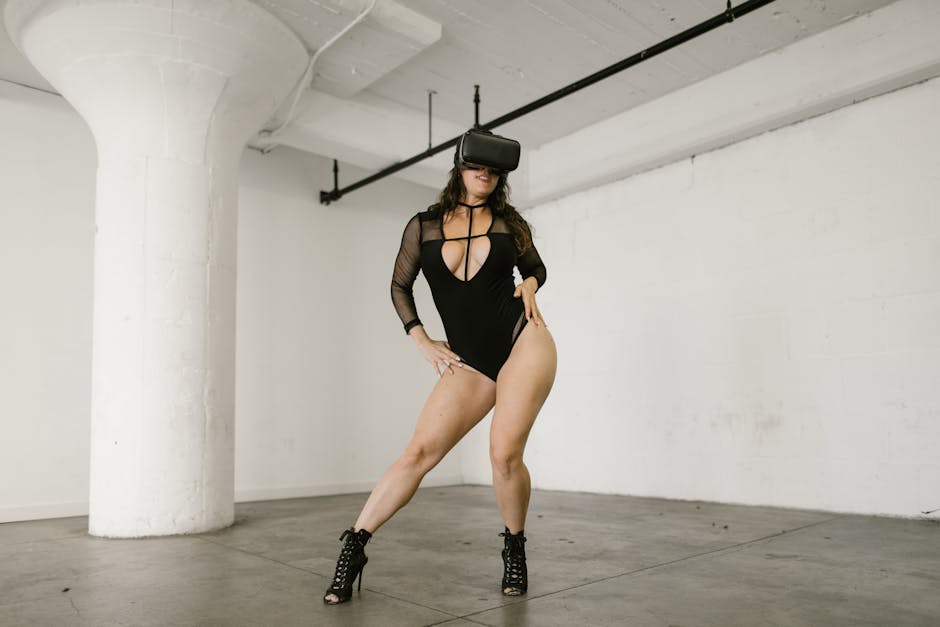
The future of virtual lovers looks promising, with advancements in technology continuously enhancing their capabilities. As AI becomes more sophisticated, virtual lovers are likely to become even more realistic and relatable. Innovations such as virtual reality (VR) and augmented reality (AR) are expected to play significant roles in creating immersive experiences, allowing users to interact with their virtual partners in more engaging ways.
Furthermore, the increasing acceptance of virtual relationships may pave the way for new social norms regarding love and companionship. As society continues to adapt to technological advancements, the line between virtual and real relationships may become increasingly blurred, reshaping our understanding of love in the digital age.
Conclusion
The emergence of virtual lovers represents a significant shift in the way we perceive relationships and companionship. While they offer numerous benefits, such as accessibility and personalized interactions, it is essential to remain mindful of the potential psychological impacts. As technology progresses, virtual lovers will likely become an integral part of our lives, prompting us to redefine our understanding of love and connection in an increasingly digital world.
About the Author