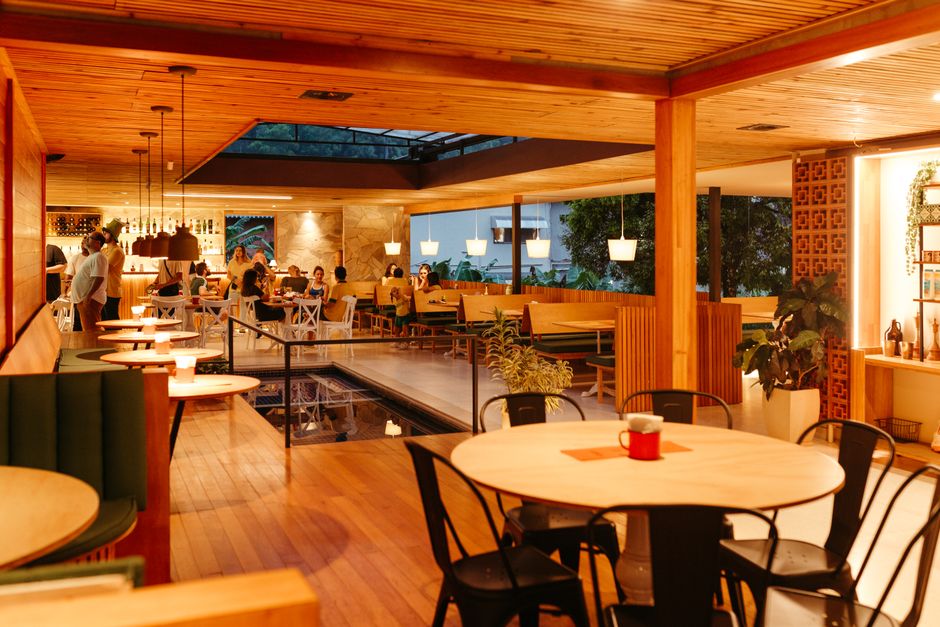
The interior design of a restaurant plays a crucial role in attracting customers and enhancing their dining experience. From the choice of colors to the arrangement of furniture, every detail contributes to the overall atmosphere. In this article, we will explore various elements and trends in restaurant interior design, providing insights that can help restaurant owners and designers create a welcoming environment.
Understanding the Importance of Interior Design
Interior design is not just about aesthetics; it profoundly affects customer behavior. A well-designed restaurant interior can increase dwell time, encourage repeat visits, and even influence menu choices. According to a survey conducted by the National Restaurant Association, 60% of diners stated that a restaurant’s ambiance significantly influences their dining experience. Therefore, investing in thoughtful interior design is essential.
Furthermore, the design reflects the restaurant’s brand identity. For instance, a high-end restaurant may opt for luxurious materials and sophisticated lighting, while a casual eatery might choose bright colors and informal seating arrangements. This alignment between design and brand message is vital for effective marketing and customer retention.
Key Elements of Restaurant Interior Design
When considering restaurant interior design, several key elements should be taken into account:
1. Layout and Flow: The layout of a restaurant should facilitate smooth movement for both customers and staff. An efficient flow can enhance service delivery and customer satisfaction.
2. Lighting: Lighting plays a significant role in setting the mood. Soft, warm lighting can create an intimate atmosphere, while bright, white lights may be more suitable for fast-casual dining experiences.
3. Color Schemes: Colors evoke emotions and can influence customers’ perceptions. For instance, red can stimulate appetite, while blue may suppress it. Choosing the right color palette can enhance the overall dining experience.
4. Furniture and Décor: Furniture should be comfortable and align with the restaurant’s theme. The décor, including artwork and plants, can add personality and make the space memorable.
Trends in Restaurant Interior Design
Current trends in restaurant interior design reflect broader changes in consumer preferences. One notable trend is the rise of sustainability. Many restaurants are opting for eco-friendly materials and designs that minimize environmental impact. This approach not only appeals to environmentally conscious consumers but also enhances the restaurant’s reputation.
Another trend is the integration of technology. Many restaurants are incorporating digital menus, online ordering systems, and even augmented reality elements to enhance the dining experience. These innovations can streamline operations and provide customers with a unique experience.
The concept of open kitchens is also gaining popularity. This design allows diners to see their meals being prepared, creating a sense of transparency and engagement with the culinary process.
Case Studies of Successful Restaurant Designs
Examining successful restaurant designs can provide valuable insights. For example, the restaurant “Noma” in Copenhagen is known for its minimalistic design that emphasizes natural materials and light. This approach aligns with its focus on seasonal and local ingredients, reinforcing the brand’s identity.
In New York, “The Modern” features a design that combines modern art with elegant dining. The use of large windows and open spaces creates a bright, airy atmosphere that enhances the overall experience.
These examples illustrate how effective restaurant interior design can contribute to a restaurant’s success. A well-thought-out design not only attracts customers but also fosters a lasting connection with them.
Implementing Your Restaurant Design Vision
For restaurant owners looking to implement their design vision, collaboration with experienced interior designers is crucial. Professionals can help bring ideas to life while ensuring that the design is functional and meets regulatory requirements.
Additionally, it is essential to gather feedback from both staff and customers during the design process. Their insights can provide valuable perspectives that can enhance the overall effectiveness of the design.
The final step is to ensure that the design is adaptable. Trends change, and customer preferences evolve, so a flexible design can help a restaurant stay relevant in a competitive market.
Conclusion
In conclusion, restaurant interior design is a vital aspect of creating an inviting atmosphere that enhances the dining experience. By understanding the importance of design, key elements to consider, current trends, and successful case studies, restaurant owners can make informed decisions that resonate with their target audience. Investing in quality design not only attracts customers but also fosters a strong brand identity and encourages customer loyalty. For those interested in elevating their restaurant’s interior, exploring concepts in restaurant interior design can provide essential inspiration and guidance.
About the Author