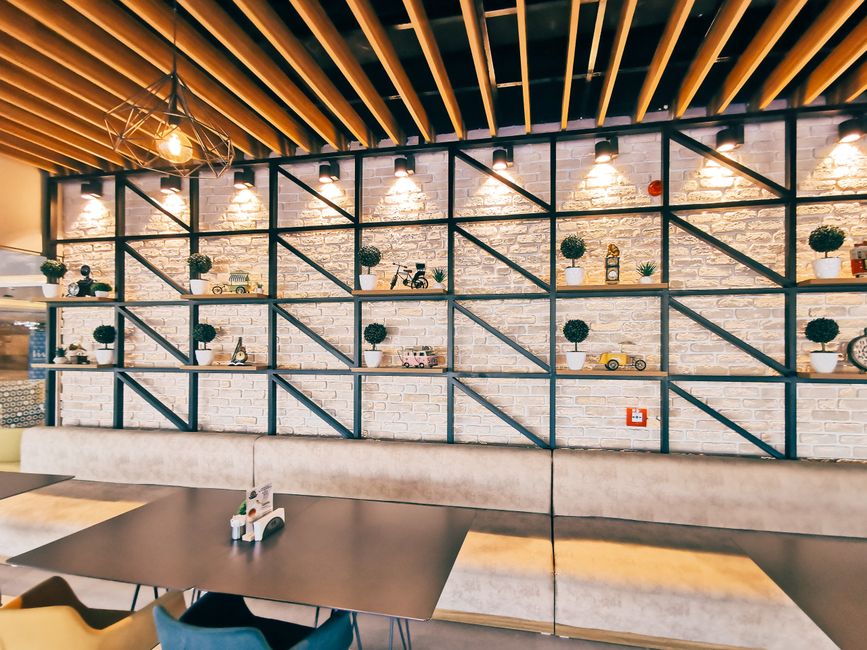
In the highly competitive world of dining, the atmosphere can make or break a restaurant’s success. Restaurant interior design plays a pivotal role in creating an inviting environment that not only attracts customers but also enhances their overall dining experience. This article delves into the essential elements, trends, and strategies that define modern restaurant interiors, providing insights for both new and established establishments.
The Importance of First Impressions
When customers walk into a restaurant, their first impression is often influenced by the interior design. A well-thought-out space can set the tone for the entire meal, affecting customer satisfaction and repeat visits. Studies show that approximately 60% of diners decide whether they will return to a restaurant based on the ambiance alone. Therefore, investing in quality restaurant interior design is critical for long-term success.
Elements such as color schemes, lighting, and furniture choices contribute significantly to the atmosphere. For instance, warm colors like reds and oranges can stimulate appetite, while cooler shades can create a calm, relaxed environment. Additionally, proper lighting can enhance the aesthetic appeal of dishes while providing a comfortable setting for diners.
Key Elements of Effective Restaurant Interior Design
Several key elements come together to create an effective restaurant interior. These include layout, furniture, lighting, and decor. Each of these components must work in harmony to create a cohesive experience.
The layout is vital as it affects both customer flow and staff efficiency. An open layout can encourage social interaction among diners, while a more segmented design can provide privacy. Furniture choice should align with the restaurant’s theme; for example, casual dining establishments may opt for comfortable booths, while fine dining venues might choose elegant tables and chairs.
Lighting is another critical factor that influences ambiance. Dim lighting can create an intimate atmosphere, while brighter lights may be more suitable for family-friendly dining. Moreover, decorative elements such as artwork and plants can enhance the visual appeal and create a unique identity for the restaurant.
Trends in Restaurant Interior Design
The restaurant industry is ever-evolving, and so are the trends in interior design. Currently, some of the most popular trends include sustainability, open kitchens, and multi-functional spaces. Sustainable design focuses on using eco-friendly materials and practices, appealing to environmentally conscious consumers.
Open kitchens have also gained popularity as they allow diners to witness the cooking process, creating a sense of transparency and connection with the chefs. Multi-functional spaces are designed to accommodate various events, such as private parties or live music, making the venue more versatile.
Technology integration is another trend that is becoming increasingly important. Many restaurants are incorporating digital menus and contactless payment systems, which not only enhance the customer experience but also streamline operations.
Case Studies of Successful Restaurant Interiors
Examining successful restaurants can provide valuable insights into effective interior design. For example, the popular chain Noma in Copenhagen is known for its minimalist design that reflects its focus on seasonal and local ingredients. The interior features natural materials and a simple color palette, allowing the food to take center stage.
In contrast, the bustling restaurant chain Olive Garden employs a more traditional Italian decor with warm colors and rustic elements, creating a cozy and inviting atmosphere. This design choice aligns perfectly with its brand image and target audience.
These case studies illustrate how thoughtful restaurant interior design can enhance brand identity and customer loyalty.
Implementing Your Vision: Tips for Restaurant Owners
For restaurant owners looking to enhance their space, it is essential to have a clear vision. Start by defining your brand and the type of experience you want to provide to your customers. Collaborating with professionals in the field can also be beneficial, as they can offer expertise in creating a cohesive design.
Budgeting is another critical aspect. Determine how much you are willing to invest in your interior design and prioritize key elements that will have the most significant impact. Remember that small changes, such as updating lighting or re-arranging furniture, can drastically improve the ambiance without breaking the bank.
Finally, keep your target audience in mind. The interior should resonate with the demographic you aim to attract, ensuring that the atmosphere aligns with their preferences and expectations.
Conclusion
In conclusion, restaurant interior design is a crucial component that can significantly affect a restaurant’s success. By understanding the importance of first impressions, focusing on key design elements, staying updated with current trends, and learning from successful case studies, restaurant owners can create inviting spaces that enhance the dining experience. Investing in thoughtful design is not just about aesthetics; it is about creating an environment that encourages customers to return time and again. For more inspiration and guidance, consider exploring professional resources in restaurant interior design.
About the Author