In the competitive world of the food and beverage industry, creating a unique and inviting atmosphere is crucial for attracting and retaining customers. Restaurant interior design goes beyond mere aesthetics; it encompasses the overall experience that diners have when they step inside. This article delves into the latest trends in restaurant interior design, exploring how various elements can influence customer satisfaction and brand identity.
The Importance of First Impressions
The interior design of a restaurant is often the first thing that potential customers notice. It sets the tone for their entire dining experience. According to a survey by the National Restaurant Association, over 60% of diners consider the ambiance of a restaurant as a determining factor in their choice of where to eat. Therefore, a well-thought-out design can significantly impact foot traffic and customer loyalty.
Elements such as lighting, color schemes, and furniture play a vital role in shaping first impressions. For example, a warm color palette can evoke feelings of comfort and coziness, which can lead to longer visits and increased spending. On the other hand, overly bright or harsh lighting can create an uncomfortable atmosphere, driving customers away.
Embracing Sustainability in Design
As environmental consciousness grows, many restaurants are opting for sustainable interior design practices. This involves using eco-friendly materials, energy-efficient lighting, and sustainable furniture. Customers are increasingly aware of the environmental impact of their choices, and many prefer dining in establishments that reflect their values.
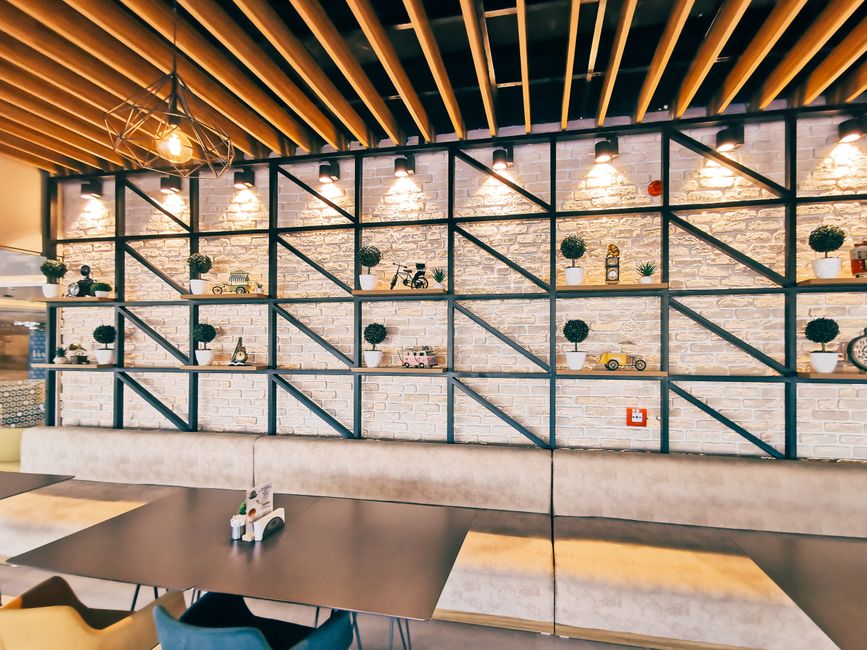
For instance, reclaimed wood, recycled metal, and organic textiles are becoming popular choices for restaurant interiors. Not only do these materials reduce waste, but they also add a unique character to the space. An example of this trend can be seen in restaurants that incorporate living plants into their design, which not only beautifies the space but also improves air quality.
Creating a Unique Brand Identity
The interior design of a restaurant should reflect its brand identity and concept. Whether it’s a casual eatery, a fine dining establishment, or a themed restaurant, the design should communicate the essence of the brand. This is where the concept of “Instagrammability” comes into play, as many diners seek visually appealing settings to share on social media.
Restaurants that succeed in creating a unique and cohesive design often report higher engagement on social media platforms. For example, a restaurant that focuses on artisanal pizza might incorporate rustic Italian decor, including exposed brick walls, vintage photographs, and handcrafted wooden tables. This not only enhances the dining experience but also solidifies the restaurant’s brand identity in the minds of customers.
Flexibility and Adaptability in Design
With the changing dynamics of dining experiences, flexibility in interior design has become increasingly important. Restaurants are now looking for ways to adapt their spaces to accommodate various dining styles, from casual meals to formal events. This could mean incorporating movable furniture, adaptable lighting, and versatile layouts that can be easily reconfigured.
According to industry experts, a flexible design allows restaurants to maximize their space and cater to different customer needs. For instance, a restaurant may choose to have communal tables for casual dining during lunch hours and transform the space into intimate booths for romantic dinners in the evening. This adaptability can lead to increased customer satisfaction and, ultimately, higher revenue.
Technology Integration in Restaurant Design
In today’s digital age, integrating technology into restaurant interior design is becoming essential. From digital menus to mobile ordering systems and contactless payment options, technology enhances the dining experience and streamlines operations. Smart lighting and sound systems can also be adjusted to create the perfect ambiance based on the time of day or the crowd’s mood.
Moreover, restaurants are increasingly using technology to gather customer feedback and analyze dining trends. This data can inform design decisions, ensuring that the space meets the evolving preferences of diners. For example, a restaurant may notice that customers prefer a quieter environment and adjust their acoustics accordingly.
Conclusion
Restaurant interior design is a multifaceted discipline that combines aesthetics, functionality, and customer experience. As trends continue to evolve, restaurant owners must stay informed about the latest developments in design to create spaces that not only attract customers but also foster loyalty. By emphasizing first impressions, sustainability, brand identity, flexibility, and technology integration, restaurateurs can elevate their establishments and ensure long-term success. For those interested in innovative approaches to restaurant interior design, exploring expert resources and case studies can provide valuable insights into creating a memorable dining experience.
About the Author