In the competitive world of the culinary industry, the importance of restaurant interior design cannot be overstated. A well-designed space not only enhances the dining experience but also plays a crucial role in attracting and retaining customers. From the choice of color palettes to the arrangement of furniture, each element contributes to the overall ambiance and functionality of the restaurant. In this article, we will explore various aspects of restaurant interior design that can help create an inviting and memorable atmosphere.
Understanding the Role of Interior Design in Restaurants
Interior design is more than just aesthetics; it encompasses the overall experience that patrons have when they enter a restaurant. A well-thought-out design can influence customer behavior, encouraging longer stays and repeat visits. Research indicates that the atmosphere accounts for up to 50% of the overall dining experience. Therefore, understanding the psychological effects of design elements is crucial for restaurateurs.
For instance, lighting plays a significant role in setting the mood. Soft, warm lighting can create a cozy environment, making diners feel relaxed and comfortable. On the other hand, brighter lights may be more suitable for casual dining or fast-food establishments where quick turnover is essential. By considering these factors, restaurant owners can tailor their interior design to fit their target demographic.
Key Elements of Restaurant Interior Design
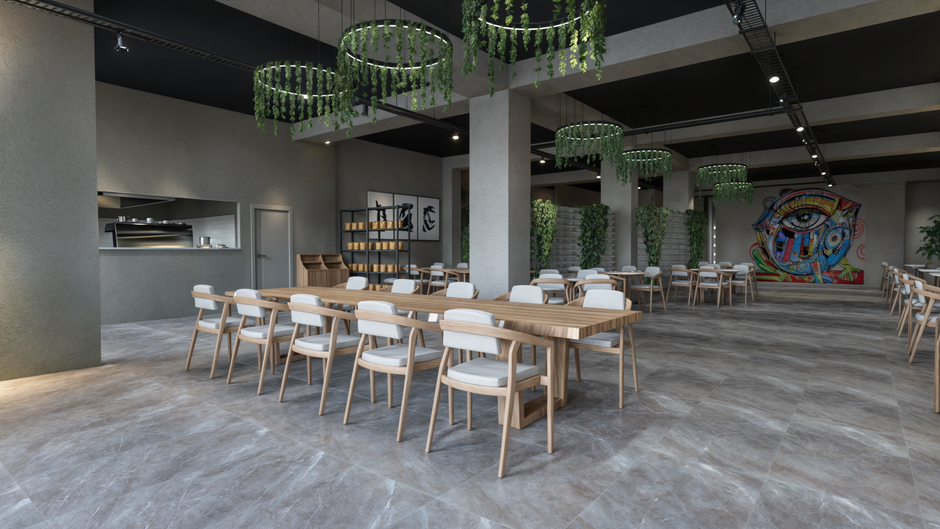
Several key elements contribute to effective restaurant interior design. First, the layout of the space is critical. An open floor plan may promote a lively atmosphere, while a more segmented layout can offer intimacy and privacy. This decision should align with the type of dining experience the restaurant aims to provide.
Another important aspect is the selection of furniture. Comfort is paramount; hence, choosing the right chairs and tables that complement the overall theme while ensuring comfort is vital. For example, high-backed chairs may evoke a sense of formality, suitable for upscale dining, whereas casual bistro tables can create a relaxed vibe.
The color scheme also has a profound impact on how customers perceive a restaurant. Warm colors like red and orange can stimulate appetite, while cooler colors like blue and green may evoke a sense of calm. By carefully selecting colors, designers can influence the emotional response of diners.
Incorporating Branding into Interior Design
Brand identity is another critical factor that should be reflected in the restaurant’s interior design. Consistency between the restaurant’s brand and its physical space can strengthen customer loyalty and recognition. For instance, a restaurant that prides itself on being eco-friendly might incorporate recycled materials into its design and emphasize natural elements, such as plants and wood.
Additionally, using artwork and decor that reflects the restaurant’s theme can enhance the overall atmosphere. For example, a Mediterranean restaurant might feature murals of coastal scenes, while a modern steakhouse might opt for sleek, minimalist decor. This alignment between branding and design helps customers connect with the restaurant on a deeper level.
The Future of Restaurant Interior Design
As we move forward, the trends in restaurant interior design continue to evolve. Sustainability is becoming increasingly important, with many restaurants opting for eco-friendly materials and energy-efficient designs. Additionally, the rise of technology has led to the integration of smart design elements, such as automated lighting and sound systems, enhancing the dining experience.
Moreover, the COVID-19 pandemic has changed how restaurants approach their interior design. With a focus on social distancing and hygiene, many establishments are rethinking their layouts to ensure safety while maintaining a welcoming environment. Outdoor dining spaces have gained popularity, prompting designers to create attractive and functional outdoor areas that extend the dining experience.
Conclusion
Restaurant interior design is an intricate blend of functionality, aesthetics, and branding. By understanding the various elements that contribute to a successful design, restaurateurs can create spaces that not only attract customers but also enhance their overall dining experience. As trends continue to change, staying informed and adaptable will be key to thriving in this competitive industry. For those looking to delve deeper into the nuances of restaurant interior design, numerous resources are available to guide the process.
About the Author