In the highly competitive world of dining, the ambiance of a restaurant can make or break the customer experience. A well-thought-out interior design not only enhances the aesthetic appeal but also influences diners’ moods and perceptions. As such, understanding the core principles of restaurant interior design is essential for any restaurateur aiming to create a memorable dining experience.
The Importance of First Impressions
The moment a guest steps into a restaurant, they form an impression based on the surrounding environment. Studies show that 80% of customers decide whether they will return to a restaurant within the first few minutes. This underlines the necessity of a compelling interior design that resonates with the restaurant’s theme and target audience.
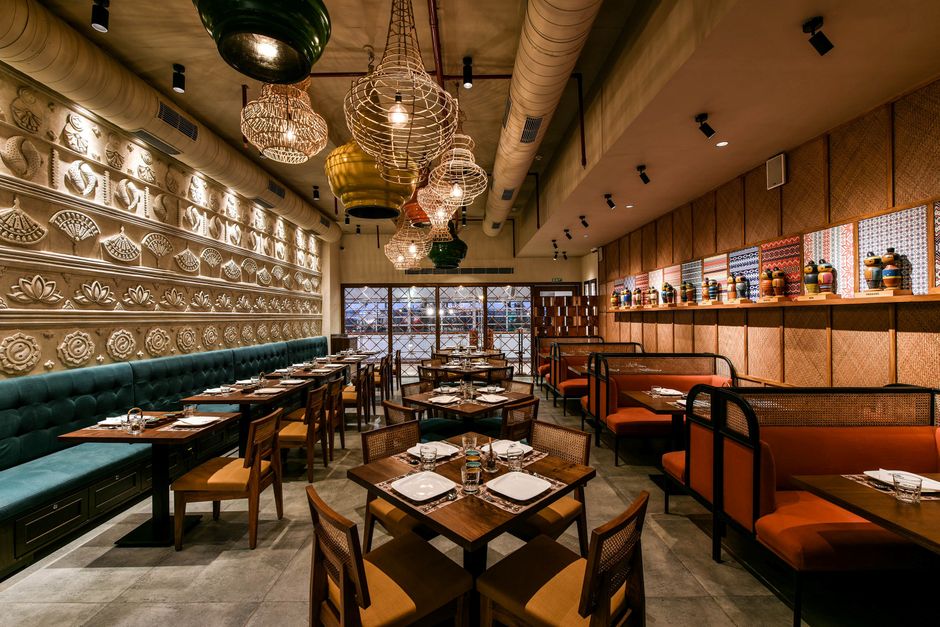
Elements such as lighting, color schemes, and furniture layout play a crucial role in shaping these initial perceptions. For instance, a vibrant color palette might attract a younger crowd, while muted tones may appeal to a more sophisticated clientele. Additionally, spatial arrangement can affect how comfortable and welcome guests feel in the space.
Designing for Functionality and Flow
While aesthetics are vital, functionality should never be overlooked. Restaurant interior design must consider the flow of both customers and staff. A well-designed layout ensures that waitstaff can navigate the space efficiently, which directly impacts service speed and quality.
For example, placing the kitchen near the dining area minimizes the time food takes to reach the table. Moreover, careful planning of seating arrangements can create a balance between privacy for diners and the overall buzz of the restaurant atmosphere. An open layout might encourage social interactions, while intimate booths might provide a more personal dining experience.
Creating a Unique Brand Identity
The interior design of a restaurant is a direct reflection of its brand identity. Every design choice, from the furniture to the artwork, should align with the restaurant’s concept and values. A cohesive design helps establish a strong brand presence, making it easier for customers to connect with the restaurant on an emotional level.
For instance, a farm-to-table restaurant might incorporate rustic elements, such as reclaimed wood and earthy tones, to emphasize its commitment to sustainability. In contrast, a high-end sushi restaurant may opt for sleek lines and minimalist decor to highlight its modern approach to traditional cuisine. This alignment helps in creating a memorable experience that encourages repeat visits.
Utilizing Technology in Design
In today’s digital age, technology plays an integral role in restaurant interior design. Innovations such as augmented reality can provide potential customers with a preview of the dining experience. Moreover, incorporating smart technology within the design can enhance efficiency and customer satisfaction.
For example, automated lighting systems can adjust the ambiance based on the time of day or current occupancy levels. Interactive menus offered through tablets can streamline the ordering process while allowing for a unique, engaging experience. These technological advancements not only improve operational efficiency but also cater to the evolving expectations of tech-savvy diners.
Adapting to Trends and Sustainability
The landscape of restaurant interior design is constantly evolving, influenced by both cultural trends and sustainability concerns. Modern diners are increasingly leaning towards eco-friendly practices, and restaurants that embrace sustainable design principles can attract a loyal customer base.
Incorporating biodegradable materials, energy-efficient appliances, and locally sourced furnishings can significantly reduce a restaurant’s carbon footprint while appealing to environmentally conscious customers. Additionally, staying attuned to trends, such as biophilic design—which incorporates natural elements into interiors—can create a refreshing and inviting atmosphere that resonates deeply with patrons.
Conclusion
Restaurant interior design is an intricate blend of aesthetics, functionality, and brand identity. As the industry continues to evolve, restaurateurs must stay informed about the latest trends and technologies to create spaces that not only attract customers but also provide them with a unique dining experience. By investing in thoughtful design, restaurants can cultivate an environment that encourages both satisfaction and loyalty. For those looking to delve deeper into the world of professional design, exploring resources on restaurant interior design can provide invaluable insights.
About the Author