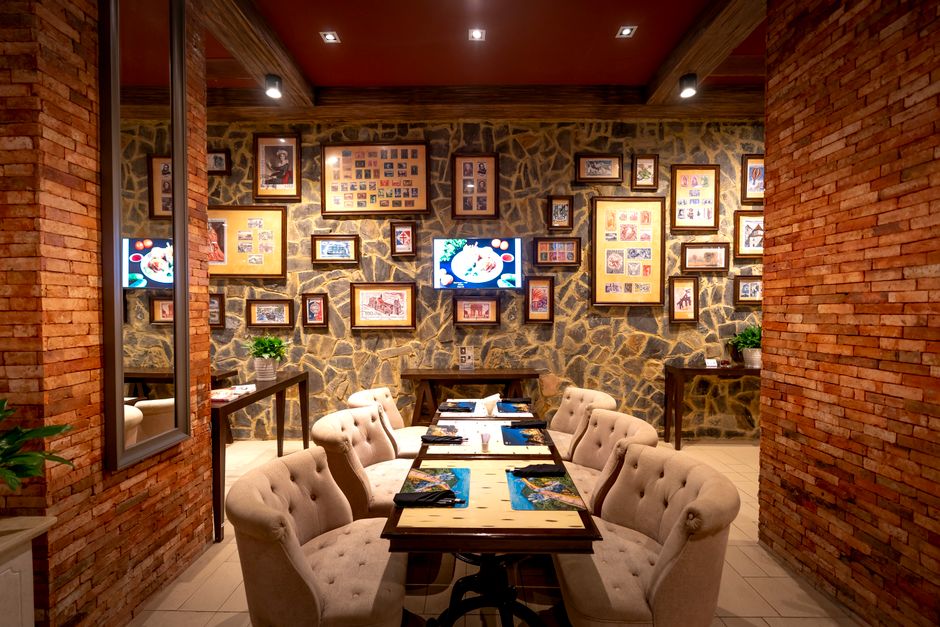
In the competitive world of dining, the interior design of a restaurant plays a crucial role in attracting customers and enhancing their overall experience. A well-designed space can set the tone for the dining experience, create a unique brand identity, and even influence a customer’s perception of the food and service. This article delves into the essential elements of restaurant interior design, exploring trends, tips, and case studies that highlight the importance of creating an inviting atmosphere.
Understanding the Basics of Restaurant Interior Design
Restaurant interior design is not merely about aesthetics; it involves a careful balance of functionality, safety, and ambiance. Each element, from furniture choices to color schemes, influences how customers feel and interact with the space. For instance, restaurants that prioritize comfort often use soft seating and warm lighting to encourage guests to linger longer, which can lead to increased sales.
Moreover, the layout of the restaurant is vital. An open floor plan can foster a lively atmosphere, while more segmented spaces may provide intimacy for couples and small groups. Understanding the target demographic is crucial; a family-friendly diner will have different design needs compared to a high-end fine dining establishment.
Current Trends in Restaurant Interior Design
As with any design field, trends in restaurant interior design evolve over time. Currently, sustainability is at the forefront. Many restaurants are choosing to incorporate eco-friendly materials and designs that minimize their environmental impact. This not only appeals to environmentally conscious consumers but also creates a unique narrative for the restaurant.
Industrial-style designs continue to be popular, characterized by exposed brick, metal fixtures, and an overall raw aesthetic. This style complements a variety of culinary concepts, from casual eateries to upscale restaurants. Additionally, biophilic design—integrating natural elements such as plants and natural light—is gaining traction. Research shows that incorporating greenery into a space can reduce stress and enhance the overall dining experience.
The Role of Color and Lighting
Color and lighting are two of the most powerful tools in the interior designer’s arsenal. The psychology of color plays a significant role in how customers perceive a restaurant. For example, warm colors like red and orange can stimulate appetite and encourage quick dining, making them suitable for fast-casual concepts. On the other hand, cooler colors such as blue and green are often associated with calmness and relaxation, ideal for fine dining establishments.
Lighting also significantly impacts the dining experience. Bright lighting may be suitable for breakfast diners, while dim, ambient lighting creates a romantic atmosphere for dinners. Layering different types of lighting—such as ambient, task, and accent lighting—can enhance the functionality and ambiance of the space.
Case Studies: Successful Restaurant Designs
Numerous restaurants have successfully implemented thoughtful interior designs that not only attract customers but also enhance their brand identity. One notable example is the restaurant “Noma” in Copenhagen, which features a rustic yet elegant interior that reflects its commitment to local and seasonal ingredients. The design emphasizes natural materials, creating an organic connection between the food and the dining environment.
Another case is “The Fat Duck” in the UK, which utilizes a whimsical design to create a playful dining experience. The interior includes elements that surprise and delight guests, mirroring the innovative cuisine served. Such unique designs contribute to the overall storytelling aspect of the restaurant, making the dining experience memorable.
Practical Tips for Restaurant Owners
For restaurant owners looking to revamp their interiors, several practical tips can guide the process. First, it’s essential to create a cohesive theme that aligns with the restaurant’s brand and target audience. This theme should be reflected in every aspect of the interior, from furniture selection to decorative elements.
Additionally, consider the flow of the space. Ensure that there is a logical path for customers to navigate, which can enhance their dining experience. It’s also wise to invest in high-quality materials that can withstand the wear and tear of daily operations, ensuring longevity and ease of maintenance.
Finally, don’t underestimate the power of feedback. Engaging with customers about their dining experience can provide valuable insights into how the interior design impacts their overall satisfaction.
Conclusion
In conclusion, restaurant interior design is a multifaceted discipline that goes beyond mere aesthetics. It encompasses elements of functionality, branding, and customer experience. By understanding and implementing effective design strategies, restaurant owners can create inviting spaces that not only attract customers but also encourage them to return. For more detailed insights and methodologies on restaurant interior design, consider exploring professional resources in the field, such as restaurant interior design firms that specialize in creating unique dining environments.
About the Author