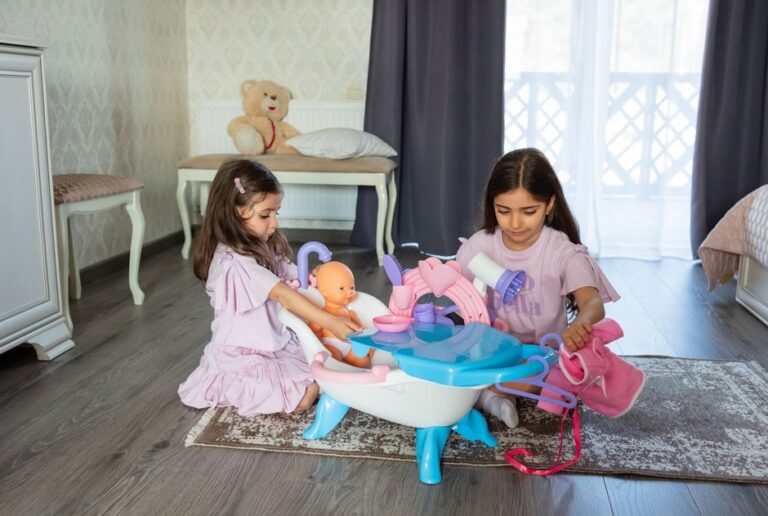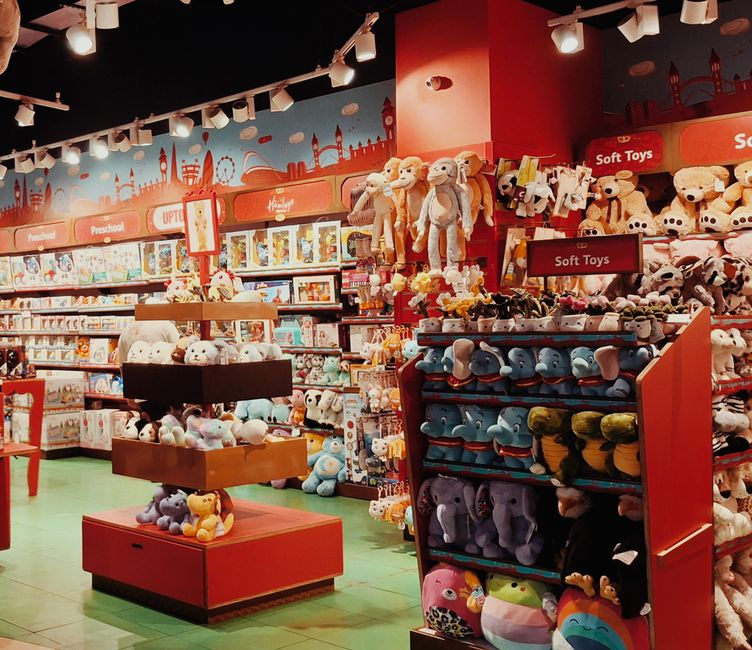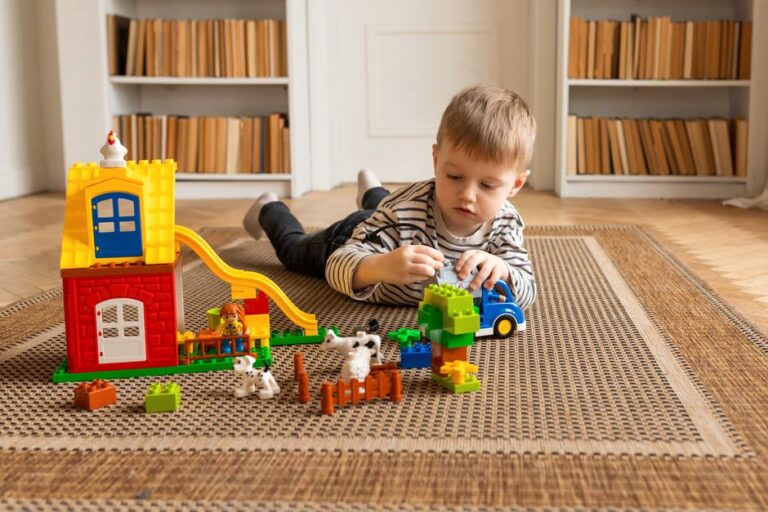
The world of children’s toys has undergone a remarkable transformation over the years. From simple wooden blocks to sophisticated interactive playthings, the journey of toy manufacturing reflects broader technological advancements and changing societal values. This article delves into the landscape of children toy manufacturers, exploring their evolution, the importance of safety standards, and the growing trend of eco-friendly toys.
The Historical Context of Toy Manufacturing
In the past, toys were primarily handcrafted, often made from wood or cloth. The Industrial Revolution marked a turning point, introducing mass production techniques that made toys more accessible and affordable. Children toy manufacturers began to emerge as businesses, catering to a growing market of recreational products. By the mid-20th century, companies like Mattel and Hasbro became household names, setting the standard for the toy industry.
According to a report by the Toy Association, the U.S. toy industry generated approximately $27 billion in sales in 2020, showcasing the immense growth and demand for toys. This economic significance has led to increased competition among manufacturers, pushing them to innovate and diversify their product lines.
Today, the toy industry is not just about entertainment; it also focuses on educational value. Many toys are designed to promote cognitive and social skills, reflecting a broader understanding of child development.
Safety Standards and Regulations
As the toy market expanded, so did the need for safety regulations. The Consumer Product Safety Commission (CPSC) in the U.S. plays a crucial role in setting standards to protect children from hazardous toys. Manufacturers must comply with strict guidelines regarding materials, production processes, and labeling.
For instance, toys made for children under three years old must not contain small parts that could pose choking hazards. In addition, chemicals used in toys must meet safety standards to prevent potential health risks. The challenge for children toy manufacturers is to balance safety with playability, ensuring that products are both fun and safe for children.
In recent years, there has been a rise in recalls due to safety violations, prompting manufacturers to adopt more rigorous testing protocols. This vigilance not only protects children but also builds consumer trust, which is essential in a competitive market.
The Shift Towards Eco-Friendly Toys
With growing environmental concerns, there is an increasing demand for eco-friendly toys. Parents are becoming more conscious of the materials used in their children’s toys, seeking products that are sustainable and non-toxic. This shift has prompted many toy manufacturers to reevaluate their sourcing and production practices.
For example, companies are now using biodegradable materials like bamboo and recycled plastics, reducing their environmental footprint. Additionally, some manufacturers have initiated take-back programs, encouraging consumers to return old toys for recycling. This not only fosters responsible consumption but also aligns with the values of eco-conscious consumers.
According to a survey conducted by Nielsen, 73% of millennials are willing to pay more for sustainable products, highlighting a significant market trend. As a result, companies that prioritize sustainability are likely to gain a competitive edge in the toy industry.
The Role of Technology in Toy Development
Technological advancements have significantly influenced the landscape of toy manufacturing. The introduction of smart toys—those equipped with Bluetooth, sensors, and interactive features—has changed the way children play and learn. These toys often incorporate educational content, helping children develop skills in a fun and engaging manner.
Moreover, augmented reality (AR) and virtual reality (VR) are becoming increasingly popular in the toy industry. Toys that integrate AR technology allow children to interact with digital content, creating immersive play experiences. This trend not only captivates children’s attention but also encourages them to explore new learning avenues.
As a result, manufacturers must stay ahead of technological trends to meet consumer demands. This requires ongoing research and development investments, which can be a challenge, especially for smaller toy companies. However, those that successfully innovate are likely to thrive in an ever-evolving market.
Conclusion: The Future of Toy Manufacturing
The future of children toy manufacturers is bright yet challenging. As the industry continues to evolve, companies must adapt to changing consumer preferences, safety regulations, and technological advancements. The emphasis on sustainability and educational value will likely shape the next generation of toys, appealing to both parents and children alike.
In conclusion, the toy industry is not just about creating products; it is about fostering imagination, creativity, and learning in children. By prioritizing safety, sustainability, and innovation, toy manufacturers can ensure their relevance in a competitive market while contributing positively to child development.
About the Author