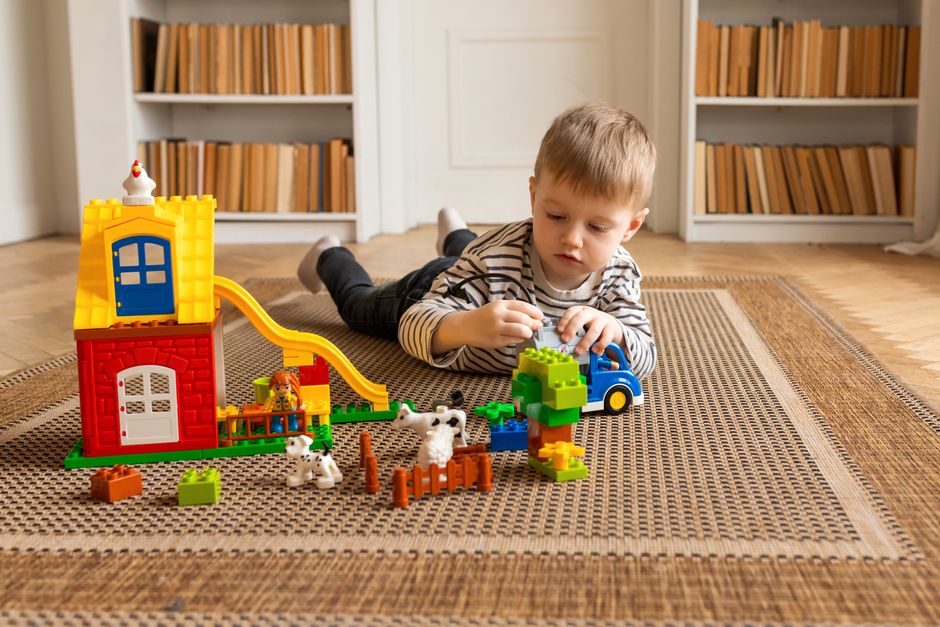
The toy industry is a dynamic and ever-evolving sector that plays a crucial role in childhood development and entertainment. With a vast array of products available, children toy manufacturers are entering new markets, innovating designs, and keeping up with the latest trends. This article delves into the fascinating world of children toy manufacturing, exploring the challenges, innovations, and future directions of the industry.
The Importance of Play in Child Development
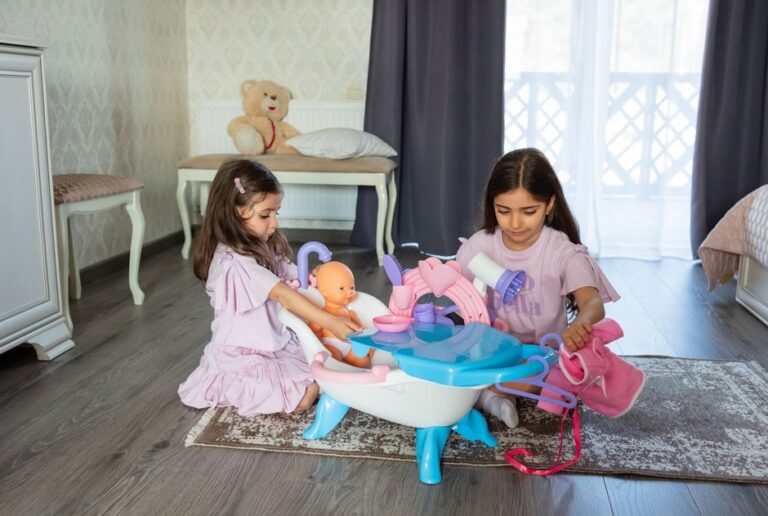
Play is more than just a leisure activity; it is essential for the cognitive, physical, and social development of children. According to research, play helps children develop critical thinking skills, creativity, and emotional intelligence. The role of toys in facilitating these developmental milestones cannot be overstated. For instance, educational toys designed by a children toy manufacturer can significantly enhance learning experiences, enabling children to grasp complex concepts through interactive play.
Furthermore, play fosters social skills. When children engage with toys that promote group play, they learn to communicate, collaborate, and resolve conflicts. This social interaction is vital for their emotional growth, helping them build relationships with peers and adults alike. Manufacturers are increasingly focusing on creating toys that encourage cooperative play, thereby enhancing the social aspect of children’s playtime.
Current Trends in Toy Manufacturing
The toy industry is continually influenced by changing consumer preferences, technological advancements, and cultural shifts. One of the most notable trends is the rise of eco-friendly toys. Parents today are more conscious about sustainability and the environmental impact of the products they purchase. Consequently, many children toy manufacturers are now prioritizing environmentally friendly materials and practices in their production processes.
Additionally, the integration of technology into toys is becoming increasingly popular. Smart toys that can interact with children and adapt to their learning styles are on the rise. For example, robots that can teach coding or games that promote STEM learning are capturing the interest of both children and parents. This technological shift not only makes playtime more engaging but also prepares children for a future that is heavily intertwined with technology.
The Challenges Facing Toy Manufacturers
While the toy industry is thriving, it is not without its challenges. Safety regulations are stringent, and manufacturers must ensure that their products meet safety standards to protect children from potential hazards. This can be a complicated process, particularly for companies that produce toys on a global scale, as regulations can vary significantly by country.
Moreover, the competition is fierce. With numerous brands vying for attention in a crowded market, manufacturers must constantly innovate to differentiate their products. This requires not only creative design but also effective marketing strategies that resonate with modern parents and children.
Future Directions in Toy Manufacturing
Looking forward, the future of toy manufacturing appears bright but also requires adaptability. As consumer preferences continue to evolve, manufacturers must stay ahead of the curve by embracing new technologies and sustainable practices. The demand for personalized toys is also expected to grow, with parents seeking products that cater to their child’s individual interests and developmental needs.
Furthermore, the rise of online shopping is reshaping how toys are marketed and sold. Manufacturers are now using digital platforms to reach consumers directly, allowing for a more personalized shopping experience. This shift not only increases accessibility but also enables brands to gather valuable data on consumer preferences and trends.
Conclusion
The children toy manufacturing industry is a vital part of childhood development, providing not only entertainment but also fostering essential skills. As trends shift and new technologies emerge, manufacturers must navigate challenges while embracing opportunities for innovation. By focusing on safety, sustainability, and engagement, the future of toy manufacturing looks promising, ensuring that children will continue to have access to products that enrich their lives and support their growth.
About the Author