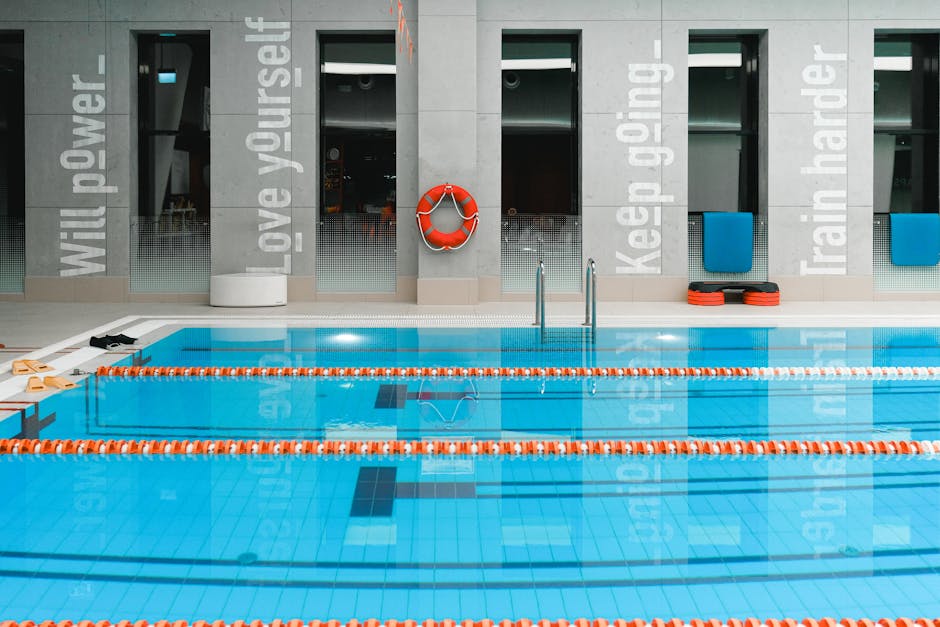
Maintaining a clean swimming pool is crucial for both aesthetic appeal and health safety. Pool cleaning is not just about removing visible debris; it involves a comprehensive approach to ensure the water is safe for swimming. In this article, we will explore various methods and tips for effective pool cleaning, making it easier for you to enjoy a pristine swimming experience.
Understanding Pool Cleaning Basics
Before diving into the methods, it’s important to understand the basic components of pool cleaning. Regular cleaning includes skimming, brushing, and vacuuming the pool. Skimming the surface removes leaves and debris; brushing helps prevent algae buildup on the walls; and vacuuming is essential for removing dirt that settles at the bottom. Establishing a routine can keep your pool sparkling clean.
In addition to physical cleaning, maintaining proper chemical balance is essential. The pH level of the water should be between 7.2 and 7.8, with chlorine levels ranging from 1 to 3 ppm. Regular testing and adjusting of chemical levels can prevent algae growth and ensure a safe swimming environment.
Choosing the Right Cleaning Tools
Investing in quality cleaning tools can make a significant difference in your cleaning routine. A good skimmer net should be lightweight yet durable to easily scoop up debris. Additionally, a pool brush with sturdy bristles can effectively remove algae and dirt from walls and tiles.
For larger pools, automatic pool cleaners can save time and effort. These machines can operate on their own, navigating the pool floor and walls while removing debris. It’s essential to choose a cleaner that suits your pool type—whether it’s an above-ground or in-ground pool. Many pool owners also find that maintaining a good filtration system is crucial; a high-quality filter can trap dirt and debris that manual cleaning might miss.
Seasonal Pool Maintenance
Pool cleaning is not a one-time task; it requires seasonal attention. During the spring and summer months, pools often require more frequent cleaning due to increased usage and outdoor debris. Regular checks for leaves, bugs, and dirt are necessary. In contrast, during the fall, leaves from nearby trees can clog your pool, necessitating more frequent skimming.
Winterizing your pool is equally important if you live in colder climates. This process involves thoroughly cleaning the pool, balancing chemicals, and covering it to prevent debris accumulation. A well-winterized pool can save you a significant amount of work in the spring and ensure the water remains clear.
Common Pool Cleaning Mistakes
Even experienced pool owners can make mistakes. One common error is neglecting regular maintenance. Skipping even a week can lead to the buildup of algae and dirt, making the cleaning process much more labor-intensive. Another mistake is using inappropriate cleaning tools, which can damage the pool surface.
Additionally, some pool owners may overuse chemicals in an attempt to keep the water clean. This can lead to imbalanced water chemistry, causing skin irritations and making the pool unsafe for swimming. It’s essential to follow the manufacturer’s instructions on chemical usage and regularly test the water.
Conclusion: Keeping Your Pool Clean Year-Round
Effective pool cleaning is a blend of regular maintenance, proper tools, and understanding water chemistry. By establishing a routine and avoiding common mistakes, you can enjoy a clean and safe swimming pool throughout the year. Whether you choose to do it yourself or invest in professional services, keeping your pool in top condition will enhance your outdoor experience and provide a refreshing retreat during the warmer months. For those who appreciate the finer things in life, maintaining a beautiful pool can be as satisfying as driving a Luxury BMW car.
About the Author