In recent years, the demand for immersive experiences has skyrocketed, especially in the realms of real estate, tourism, and events. Virtual tour photography has emerged as a powerful tool that allows businesses and individuals to showcase their spaces like never before. This innovative approach not only enhances engagement but also helps potential clients visualize a space from the comfort of their homes. In this article, we will delve into the various aspects of virtual tour photography, its applications, and how it is revolutionizing the way we interact with our environments.
What is Virtual Tour Photography?
At its core, virtual tour photography involves capturing 360-degree images or videos that provide viewers with an interactive experience of a location. Unlike traditional photography, which presents a static view, virtual tours allow users to navigate through spaces, exploring them at their own pace. This technology is typically powered by specialized cameras and software that stitch together multiple images to create a seamless panoramic view.
The rise of virtual tour photography can be attributed to advancements in technology and the increasing accessibility of high-quality equipment. With the proliferation of smartphones equipped with impressive cameras, even amateur photographers can create engaging virtual tours. However, professional virtual tour photography often requires advanced techniques and equipment to achieve the highest quality results.
Applications of Virtual Tour Photography
Virtual tour photography has a wide range of applications across various industries. In real estate, agents can showcase properties to potential buyers without the need for physical visits. This not only saves time but also allows buyers to explore multiple properties from the comfort of their homes. According to a survey by the National Association of Realtors, 73% of home buyers prefer to work with agents who offer virtual tours.
In the tourism industry, virtual tours can help travelers experience destinations before they visit. Hotels, museums, and attractions can create immersive experiences that entice potential visitors to book a trip. For instance, many museums have adopted virtual tours to allow online visitors to explore their collections, increasing accessibility and engagement.
Event planners also benefit from virtual tour photography, as it allows them to showcase venues and setups to potential clients. By providing an interactive experience, planners can effectively communicate their vision and attract more business. Overall, the versatility of virtual tour photography makes it an invaluable asset for many sectors.
Benefits of Using Virtual Tour Photography
One of the primary benefits of virtual tour photography is its ability to enhance user engagement. Studies have shown that content featuring virtual tours retains viewers for longer periods compared to traditional media. This increased engagement can lead to higher conversion rates, as potential customers are more likely to take action after experiencing an interactive tour.
Additionally, virtual tours can improve search engine optimization (SEO). Websites featuring virtual tours tend to rank higher in search results, as search engines prioritize engaging and relevant content. By incorporating virtual tour photography into their marketing strategies, businesses can enhance their online presence and attract more visitors.
Moreover, virtual tours provide a unique opportunity for businesses to differentiate themselves from competitors. In a crowded marketplace, offering an interactive experience can set a brand apart and create lasting impressions on potential clients. This competitive edge is particularly crucial in sectors such as real estate and hospitality, where visual appeal can significantly influence decision-making.
Challenges in Virtual Tour Photography
Despite its numerous advantages, virtual tour photography is not without its challenges. One of the main hurdles is the initial investment in equipment and software. High-quality 360-degree cameras and editing software can be expensive, which may deter some businesses from adopting this technology.
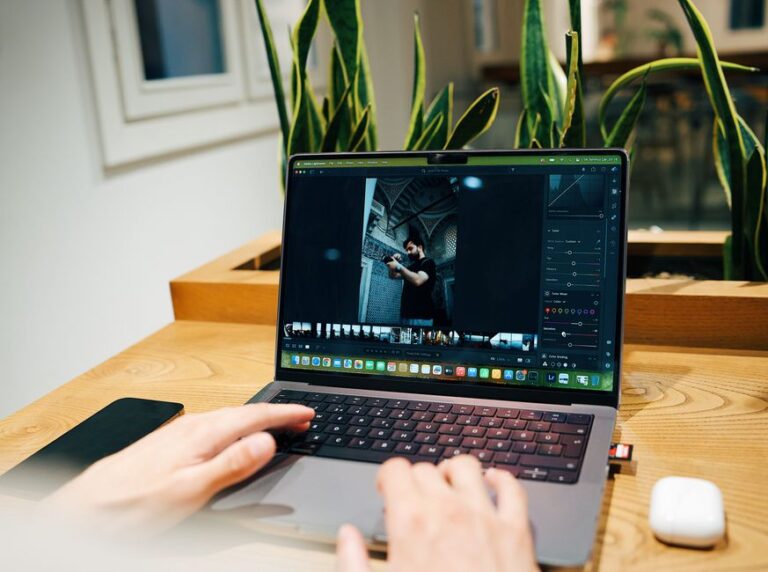
Furthermore, creating a compelling virtual tour requires a certain level of expertise. Photographers must understand lighting, composition, and post-processing techniques to produce high-quality results. As a result, businesses may need to hire professionals or invest time in training staff, which can add to the overall cost.
Another challenge is ensuring that virtual tours are compatible across various devices and platforms. With the diversity of devices used by consumers, businesses must ensure that their virtual tours are accessible and perform well on smartphones, tablets, and desktops alike. This requires thorough testing and potentially additional resources to develop a seamless experience for users.
The Future of Virtual Tour Photography
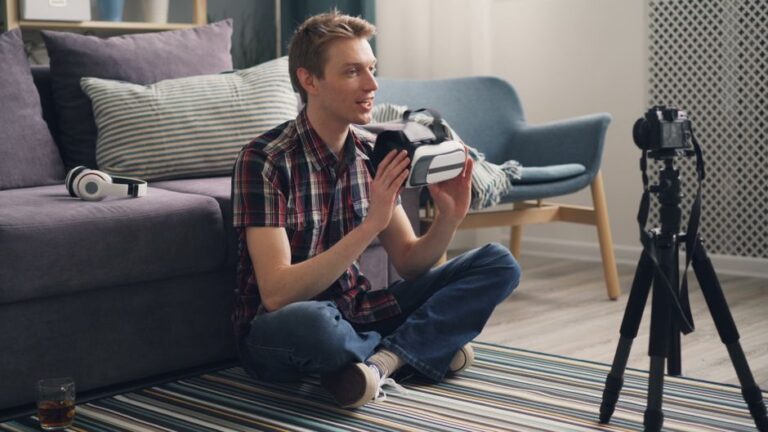
As technology continues to advance, the future of virtual tour photography looks promising. Innovations such as augmented reality (AR) and virtual reality (VR) are beginning to merge with traditional virtual tours, providing even more immersive experiences. For instance, potential homebuyers could use VR headsets to walk through properties in a fully immersive environment, enhancing their decision-making process.
Furthermore, the integration of artificial intelligence (AI) is expected to streamline the creation of virtual tours. AI-powered tools can automate the stitching of images, optimize lighting, and even suggest edits, making it easier for photographers to produce high-quality tours efficiently.
In conclusion, virtual tour photography is transforming how we experience spaces across various industries. With its ability to engage users, improve SEO, and differentiate businesses, it is an essential tool for anyone looking to showcase their offerings. As technology evolves, the possibilities for virtual tour photography will only expand, making it an exciting field to watch in the coming years.
About the Author