
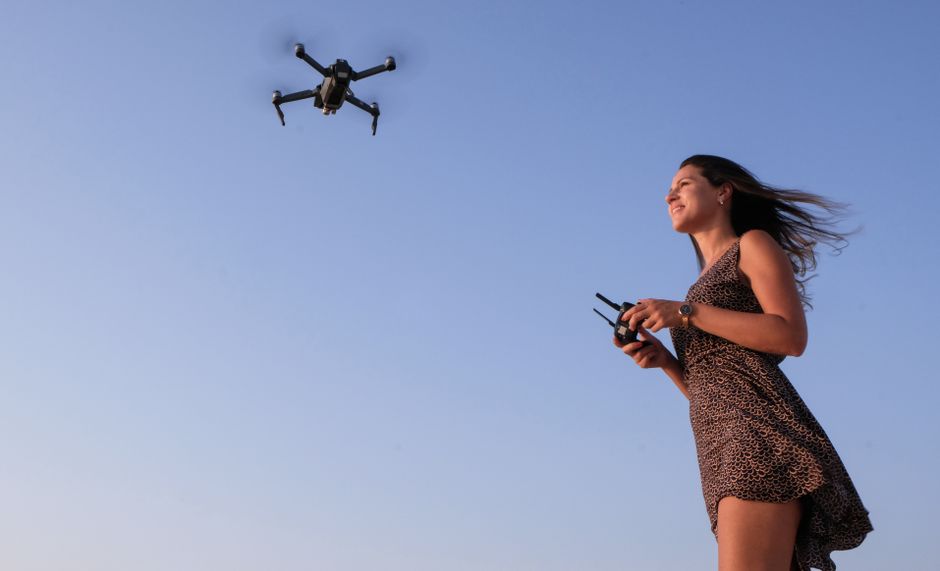
The rise of drone technology has transformed various industries, from agriculture to filmmaking. As the demand for skilled drone operators increases, obtaining a drone pilot certification has become essential for those looking to thrive in this burgeoning field. This article will explore the steps to becoming a certified drone pilot, the benefits of certification, and the impact of regulations on the industry.
Understanding Drone Pilot Certification
Drone pilot certification is a formal recognition that an individual possesses the necessary skills and knowledge to operate drones legally and safely. In many countries, including the United States, the Federal Aviation Administration (FAA) mandates that anyone wishing to fly a drone for commercial purposes must obtain a certification. This ensures that drone operators understand the regulations, airspace classifications, and safe operational practices.
The certification process typically involves passing a written exam that covers various topics, including aerodynamics, meteorology, and the rules governing drone operations. For instance, in the U.S., the FAA’s Part 107 certification is a significant benchmark for commercial drone pilots. Similarly, aspiring pilots in other regions must comply with local regulations and may seek a drone pilot certification that aligns with their country’s aviation authority’s requirements.
The Benefits of Certification
Obtaining a drone pilot certification offers numerous advantages. Firstly, it enhances a pilot’s credibility in the eyes of potential employers and clients. Certification signals that the pilot has undergone formal training and is well-versed in safe flying practices. This can be particularly beneficial in highly competitive fields such as aerial photography, surveying, and agricultural monitoring.
Moreover, certified drone pilots often have access to more job opportunities, as many companies prefer or require certification for their drone operators. Additionally, certified pilots are typically better equipped to handle complex flying scenarios, which can lead to safer operations and fewer accidents.
The Certification Process
The certification process varies by location, but it generally involves several key steps. Initially, prospective pilots must familiarize themselves with the regulations governing drone operations in their country. This may include studying materials provided by aviation authorities or enrolling in a training course that focuses on drone operation and safety.
Once prepared, candidates typically need to pass a written examination. For example, the FAA requires a score of 70% or higher on the Part 107 exam. After passing the exam, individuals may need to undergo a background check, particularly if they plan to operate in sensitive airspace or for government contracts.
Staying Compliant with Regulations
Once certified, drone pilots must remain compliant with ongoing regulations and requirements. This includes staying updated on any changes in aviation laws and maintaining their certification, which may involve periodic re-testing or continuing education. Furthermore, pilots must adhere to operational guidelines, such as maintaining visual line-of-sight during flights and respecting no-fly zones.
It is crucial for drone pilots to engage with professional organizations and communities, which can provide resources and updates about regulatory changes. Networking with other pilots can also offer opportunities for collaboration and skill enhancement, ensuring that they remain competitive in the field.
The Future of Drone Piloting
The future of drone piloting looks promising, with technological advancements paving the way for new applications and opportunities. As industries continue to recognize the benefits of drone technology, the demand for certified pilots is expected to grow. Emerging trends such as drone delivery services and autonomous flying will likely reshape the landscape of the industry, highlighting the need for skilled operators.
Moreover, the continuous evolution of regulations will require pilots to adapt and evolve their skills. As a result, ongoing education and certification renewal will become increasingly important for maintaining a competitive edge in this dynamic market.
Conclusion
In summary, becoming a certified drone pilot is a critical step for anyone looking to enter the drone industry. With the right training and knowledge, aspiring pilots can navigate the certification process and unlock a world of opportunities. As the industry continues to grow, the value of certification will become even more pronounced, ensuring that drone operations remain safe, efficient, and compliant with regulations.
About the Author