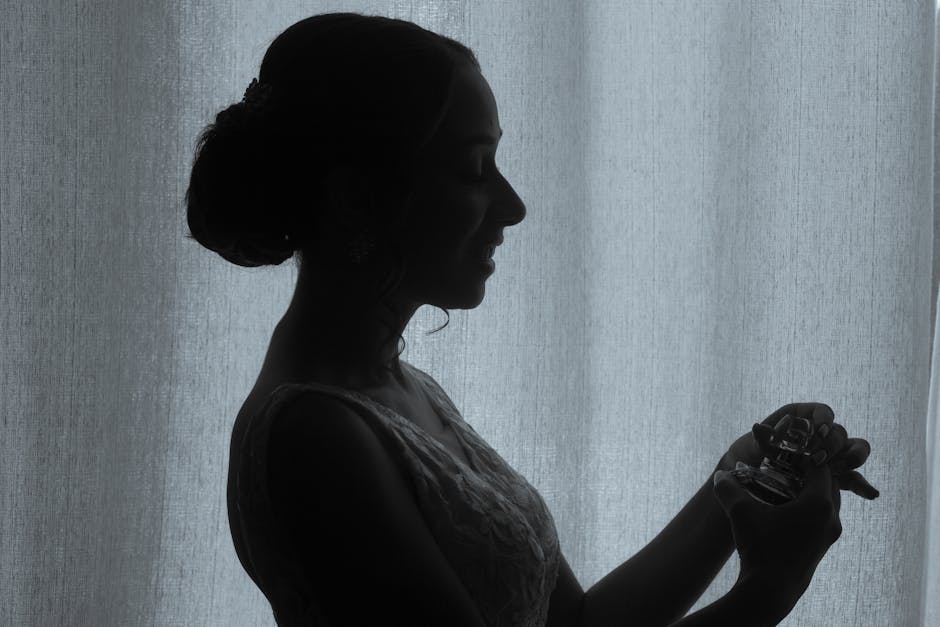
Perfume has been an integral part of human culture for centuries, transcending mere scent to become a form of personal expression and art. From ancient civilizations that used aromatic oils for rituals to modern luxury brands crafting intricate blends, the world of fragrance is rich and varied. This article explores the history, composition, and societal impact of perfume, revealing how it continues to shape our identities and experiences.
The History of Perfume
The use of fragrance dates back to ancient Egypt, where scents were an essential element of religious ceremonies and daily life. The Egyptians utilized a variety of natural materials such as myrrh, frankincense, and lotus flowers, which were believed to have divine properties. As trade routes expanded, the art of perfumery spread to Greece and Rome, where it became associated with luxury and opulence.
During the Middle Ages, perfume saw a decline in popularity in Europe, primarily due to the association with pagan practices. However, the Renaissance marked a resurgence of interest in scents, particularly in Italy and France. By the 17th century, French perfumers had established themselves as the leaders in the industry, laying the groundwork for modern perfumery. The creation of new extraction methods and the development of synthetic fragrances opened up a world of possibilities for scent creation.
Today, perfume is a multi-billion dollar industry, with countless brands and artisanal creators offering a vast array of scents, catering to diverse tastes and preferences.
The Art and Science of Fragrance Composition
Creating a perfume is a delicate balance of art and science. Fragrances are composed of various notes that unfold over time, typically categorized into three layers: top, middle, and base notes. Top notes are the initial scents perceived upon application, often fresh and light, such as citrus or herbs. These scents evaporate quickly, making way for the heart or middle notes, which form the core of the fragrance and can include floral or fruity elements. Finally, base notes provide depth and longevity, often made up of rich ingredients like vanilla, amber, or musk.
The skill of a perfumer lies in their ability to blend these notes harmoniously, creating a fragrance that evolves beautifully on the skin. This process often involves extensive experimentation and a deep understanding of how different ingredients interact with one another.
As trends change, so do the preferred notes in perfumery. For instance, the rise of clean and fresh scents reflects a growing desire for simplicity and authenticity in a fast-paced world.
The Cultural Significance of Perfume
Perfume is more than just a pleasant scent; it carries significant cultural weight and symbolism. Different cultures have unique associations with fragrance. For example, in many Middle Eastern countries, wearing perfume is considered a sign of hospitality and respect. Similarly, in Western cultures, a signature scent can convey individuality and personal branding.
Furthermore, studies have shown that fragrance has a profound impact on human psychology. Certain scents can evoke memories and emotions, influencing moods and even behaviors. This phenomenon is often leveraged in marketing, where brands use specific scents to create a desirable atmosphere in retail spaces.
The connection between scent and memory is so strong that many people choose fragrances that remind them of significant life events, further intertwining perfume with personal identity.
Modern Trends in Perfume
In recent years, the perfume industry has seen a shift towards sustainability and transparency. Consumers are increasingly aware of the ingredients used in their products and are seeking brands that prioritize ethical sourcing and eco-friendly practices. This has led to a rise in niche and artisanal brands that offer unique, handcrafted scents made from natural ingredients.
Moreover, the digital age has transformed how consumers interact with fragrance. Online platforms now allow users to explore and purchase perfumes without visiting a store. Brands are also utilizing social media to engage with their audience, often collaborating with influencers to showcase their products in creative ways.
One notable example of modern innovation in the perfume world is the explosion of gender-neutral fragrances, challenging traditional concepts of masculinity and femininity in scent.
Conclusion: The Future of Fragrance
The world of perfume is one of constant evolution, blending tradition with innovation. As we move forward, the industry will likely continue to embrace sustainability and inclusivity while maintaining the artistry that defines perfumery. For those seeking a truly luxurious experience, brands like Maison Francis Kurkdjian (MFK) exemplify the pinnacle of fragrance craftsmanship, offering scents that are both sophisticated and evocative.
Ultimately, perfume remains a powerful medium for self-expression, capable of capturing fleeting moments and emotions in a bottle. As we explore the intricacies of fragrance, we uncover not only the beauty of scent but also the deep-seated connections it fosters within our lives.
About the Author