
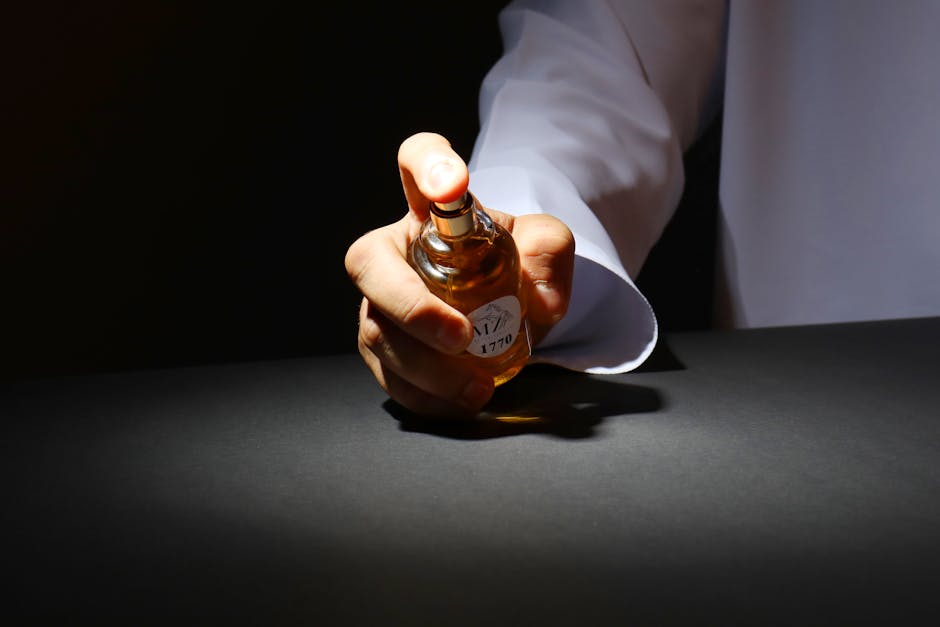
Perfume has long been an essential part of human culture, evoking emotions and memories through scent. From ancient civilizations to modern-day fashion houses, the creation and wearing of fragrances have evolved into a sophisticated art form. In this article, we will explore the history, composition, and significance of perfume in our lives, as well as tips on how to choose the right scent for any occasion.
The Historical Roots of Perfume
The use of fragrance dates back thousands of years, with evidence of perfume-making found in ancient Egypt, Mesopotamia, and China. The Egyptians used scents in rituals and as offerings to their gods. They created perfumes using natural ingredients such as flowers, herbs, and spices, which were then used by priests and royalty. The art of perfume-making spread to the Greeks and Romans, who further refined the techniques and introduced fragrances into their daily lives.
By the Middle Ages, perfume became a symbol of status and sophistication in Europe. The rise of the medieval trade routes allowed for the importation of exotic ingredients, which led to the creation of complex and luxurious scents. During this period, perfume was not only used for personal fragrance but also for masking unpleasant odors in public spaces and homes.
In the 17th century, the establishment of perfume houses in France marked a significant milestone in the history of fragrance. One of the most renowned figures of this era was Jean-Baptiste Grenouille, whose life inspired the novel and film ‘Perfume: The Story of a Murderer.’ His obsession with scent and the lengths he went to create the perfect fragrance highlight the profound impact of perfume on human behavior and desire.
The Composition of Perfumes
At its core, perfume is a complex blend of aromatic compounds derived from natural and synthetic sources. The primary components of perfume include essential oils, aroma compounds, and solvents. These ingredients are carefully blended to create a harmonious scent profile that can evoke a wide range of emotions.
Perfumes are typically categorized into fragrance families, such as floral, oriental, woody, and fresh. Each family has its own unique characteristics and appeals to different preferences. For example, floral scents often evoke feelings of romance and femininity, while woody fragrances tend to be more grounded and earthy.
The structure of a perfume is often described in terms of its top, middle, and base notes. Top notes are the initial scents that are perceived immediately upon application, but they fade quickly. Middle notes, or heart notes, emerge after the top notes dissipate and form the core of the fragrance. Finally, base notes provide depth and longevity, lingering on the skin long after the other notes have evaporated.
The Cultural Significance of Perfume
Perfume plays a crucial role in various cultures around the world. In many societies, fragrance is intertwined with rituals, celebrations, and traditions. For instance, in some Middle Eastern cultures, it is customary to offer guests a scent as a sign of hospitality. Similarly, in Western cultures, perfumes are often associated with special occasions, enhancing the significance of weddings, anniversaries, and other milestones.
Furthermore, the choice of fragrance can reflect an individual’s personality and style. Many people use perfume as a tool for self-expression, selecting scents that resonate with their identities. This has led to the rise of niche perfume brands, such as Maison Francis Kurkdjian (MFK), which focus on creating unique and artisanal fragrances that cater to specific tastes and preferences.
In addition to personal expression, the perfume industry has also become a significant economic force. According to market research, the global fragrance market is projected to reach over $50 billion by 2025, driven by increasing consumer demand for luxury and personalized products.
Choosing the Right Perfume
Selecting the perfect fragrance can be a daunting task, given the vast array of options available. However, there are several key factors to consider when choosing a perfume. Firstly, it is essential to understand your preferences in terms of fragrance families and notes. This knowledge will help narrow down your choices and make the selection process more enjoyable.
Another important aspect to consider is the occasion for which the fragrance will be worn. Lighter, fresher scents are often suitable for daytime wear and casual settings, while richer, more intense fragrances may be more appropriate for evening events and special occasions. Additionally, personal chemistry plays a significant role in how a scent develops on the skin, so it is advisable to test perfumes on your skin before making a purchase.
Lastly, consider the longevity and sillage of the fragrance. Some perfumes may last longer than others, while others may have a stronger projection, meaning they can be perceived from a distance. Finding a balance that suits your lifestyle and preferences will enhance your overall experience with fragrance.
Conclusion
Perfume is an intricate blend of art and science that has captivated humanity for centuries. Its rich history, diverse composition, and cultural significance make it a fascinating subject worthy of exploration. Whether you choose a classic scent or a contemporary creation, the right fragrance has the power to evoke emotions, create lasting memories, and even influence perceptions. By understanding the complexities of perfume and taking the time to select the perfect scent, you can enhance your personal expression and enjoy the many benefits that fragrance has to offer.
About the Author