Education is undergoing a significant transformation in the 21st century. With advancements in technology, new methodologies, and changing societal needs, the landscape of learning is evolving rapidly. This article explores the key innovations and trends that are shaping the future of education, providing insights into how these changes are impacting both educators and students.
The Rise of Online Learning
One of the most significant trends in recent years has been the growth of online learning platforms. As the internet becomes more accessible, educational institutions are increasingly offering courses that can be taken remotely. According to a report by the National Center for Education Statistics, enrollment in distance education courses increased by 10% between 2018 and 2020.
This shift has not only made education more flexible but has also opened doors for students who may have previously faced barriers to traditional learning environments. For instance, platforms like Coursera and edX allow learners from all over the world to access courses from top universities, often for free or at a low cost.
However, the challenge remains in ensuring the quality of online education. As more institutions adopt this model, it is crucial to maintain rigorous standards and support systems to help students succeed in a virtual setting.
Personalized Learning Experiences
Personalized learning is another key trend that is gaining traction in education. This approach tailors the learning experience to meet the individual needs of each student, often utilizing technology to track progress and provide customized resources. Research from the Bill & Melinda Gates Foundation indicates that personalized learning can improve student outcomes, particularly for those who may struggle in traditional settings.
For example, adaptive learning software adjusts the difficulty of tasks based on a student’s performance. This ensures that learners are neither bored with material that is too easy nor overwhelmed by challenges that are too difficult. By focusing on individual strengths and weaknesses, educators can provide a more effective learning environment.
Furthermore, personalized learning encourages students to take ownership of their education, fostering a sense of responsibility and motivation. This shift away from a one-size-fits-all model is paving the way for more engaged and successful learners.
Incorporating Technology in the Classroom
The integration of technology in education is not a new concept, but its impact has never been more profound. From interactive whiteboards to virtual reality, technology is enhancing the learning experience in numerous ways. A survey conducted by the Pew Research Center found that 92% of teachers believe technology positively impacts student engagement.
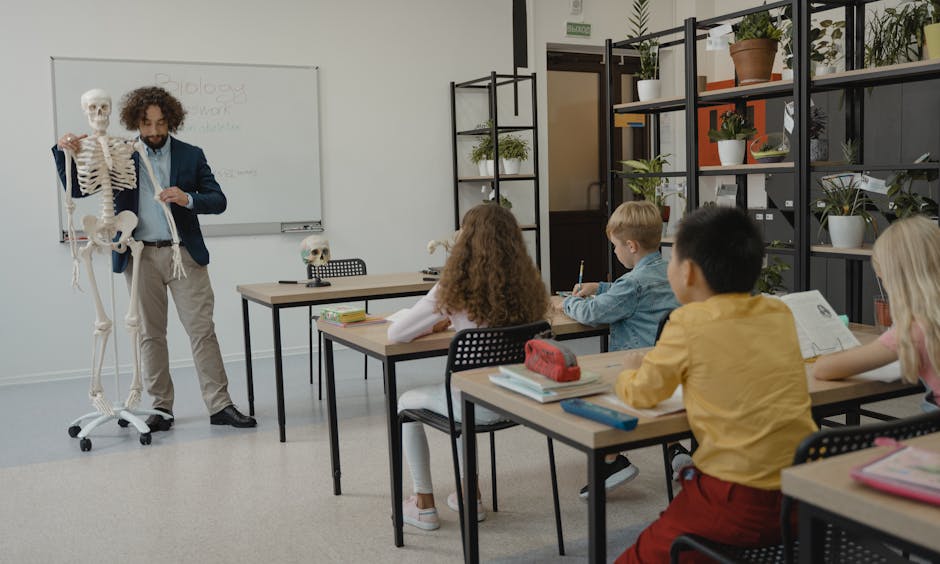
Virtual and augmented reality (VR/AR) are particularly exciting developments in the field of education. These technologies allow for immersive learning experiences that can transport students to different environments, making complex concepts easier to understand. For example, a biology class can explore the human body in 3D, providing a more dynamic understanding of anatomy.
Moreover, technology facilitates collaboration among students. Tools like Google Classroom and Microsoft Teams enable learners to work together on projects regardless of their physical location. This not only enhances teamwork skills but also prepares students for a future where remote collaboration is commonplace.
Focus on Social-Emotional Learning
As the importance of mental health and emotional well-being gains recognition, educational institutions are increasingly incorporating social-emotional learning (SEL) into their curricula. SEL focuses on developing skills such as empathy, self-regulation, and interpersonal communication, which are essential for success in both personal and professional life.
Research by the Collaborative for Academic, Social, and Emotional Learning (CASEL) indicates that SEL programs can lead to improved academic performance, better classroom behavior, and reduced emotional distress among students. Schools are beginning to implement programs that integrate SEL into everyday learning, fostering a more holistic approach to education.
Furthermore, teaching these skills can create a positive school climate, leading to better relationships between students and educators. This supportive atmosphere is crucial for fostering a love of learning and helping students navigate the challenges of life.
Globalization and Education
Education is becoming increasingly globalized, with a focus on preparing students for a diverse and interconnected world. International partnerships between educational institutions promote cultural exchange and collaborative projects that enrich the learning experience. Programs such as student exchange and study abroad opportunities expose learners to different cultures, enhancing their global awareness and understanding.
Moreover, globalization is influencing curriculum development, with many schools incorporating international perspectives into their lessons. This approach not only broadens students’ horizons but also equips them with the skills necessary to thrive in a global economy.
As the world becomes more interconnected, the ability to communicate and collaborate across cultures will be invaluable. Educational institutions must adapt to these changes, ensuring that students are prepared to succeed in a globalized society.
Conclusion
The future of education is bright, filled with opportunities for innovation and growth. As online learning, personalized education, technology integration, social-emotional learning, and globalization reshape the landscape, both educators and students must adapt to these changes. By embracing these trends, we can create a more inclusive, effective, and engaging educational experience for all learners.
As we move forward, it is essential to continue exploring new methodologies and technologies that enhance learning. The journey of education is ever-evolving, and each step taken today will shape the leaders of tomorrow. To keep pace with these developments, resources like toto togel can provide valuable insights into the latest trends and innovations in the field.
About the Author