Education is undergoing a significant transformation in the 21st century. As technology continues to evolve, so do the methods and practices of teaching and learning. This article explores the latest trends and innovations that are shaping the future of education, from digital learning environments to personalized education experiences. Understanding these changes is essential for educators, students, and policymakers alike.
The Rise of Online Learning
Online learning has gained immense popularity over the past few years, especially due to the COVID-19 pandemic. Schools and universities quickly adapted to remote teaching, leading to a surge in online courses and digital platforms. According to a report by the World Economic Forum, the online education market is expected to reach $375 billion by 2026. This shift not only provides flexibility for students but also opens up opportunities for lifelong learning.
Platforms like Coursera and Udemy have democratized education, offering courses from top universities and industry leaders. Students can now learn at their own pace, selecting courses that align with their interests and career goals. The convenience of online learning allows individuals to balance their studies with work or family commitments, making education more accessible than ever.
However, the transition to online learning is not without challenges. Issues such as digital divide, lack of engagement, and the need for effective online teaching strategies must be addressed to ensure that all students benefit from this educational shift.
Personalized Learning Experiences
Another significant trend in education is the move towards personalized learning. This approach tailors education to meet the individual needs, interests, and learning styles of each student. By utilizing data analytics and artificial intelligence, educators can create customized learning paths that enhance student engagement and achievement.
For instance, platforms that employ adaptive learning technologies can assess a student’s strengths and weaknesses, adjusting the curriculum accordingly. This method not only helps students grasp difficult concepts more effectively but also allows them to progress at their own speed. Research shows that personalized learning can lead to improved academic outcomes and increased motivation among students.
Moreover, personalized learning encourages student agency, empowering learners to take charge of their educational journey. This shift requires educators to adopt new teaching strategies and embrace technology in the classroom.
The Role of Technology in Education
Technology is a driving force behind many educational innovations. From virtual reality (VR) to artificial intelligence (AI), these tools are revolutionizing the way students learn. VR can transport students to historical sites or distant planets, providing immersive experiences that enhance understanding and retention of information.
AI, on the other hand, can assist educators by automating administrative tasks, allowing them to focus more on teaching and less on paperwork. Additionally, AI-powered tools can provide real-time feedback to students, helping them improve their performance and understanding.
While technology offers numerous benefits, it also raises questions about equity and access. It is crucial to ensure that all students have access to the necessary tools and resources to thrive in a technology-driven educational landscape.
Collaborative Learning Environments
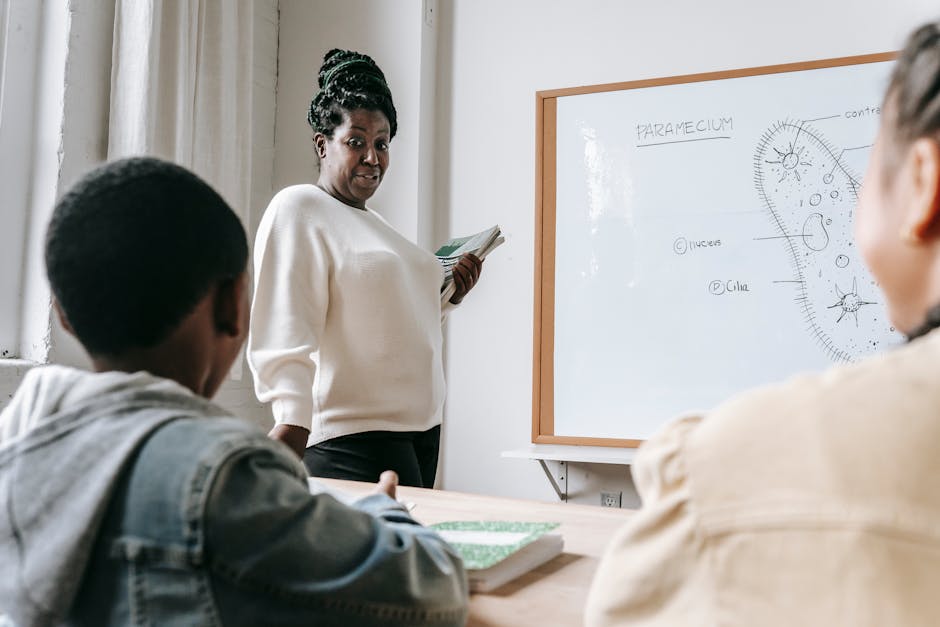
Collaboration is a key component of modern education. Traditional classrooms are evolving into collaborative learning environments where students work together on projects, share ideas, and learn from one another. This approach fosters critical thinking, communication skills, and teamwork, which are essential for success in today’s workforce.
Group projects and peer-to-peer learning not only enhance understanding but also promote a sense of community among students. Educators are increasingly leveraging technology to facilitate collaboration, using tools like Google Classroom and Microsoft Teams to enable seamless communication and project management.
Furthermore, collaborative learning extends beyond the classroom. Students can connect with peers globally, exchanging ideas and experiences that enrich their learning. Programs that encourage international collaboration prepare students for a globalized world, enhancing their cultural competence and adaptability.
Conclusion: Embracing the Future of Education
The future of education is bright, with numerous trends and innovations poised to enhance learning experiences for students worldwide. As we embrace online learning, personalized education, and technology integration, it is essential to remain mindful of the challenges that accompany these changes. Educators, policymakers, and stakeholders must work together to create equitable and inclusive learning environments that prepare students for the complexities of the 21st century.
By fostering a culture of innovation and adaptability, we can ensure that education continues to evolve, meeting the needs of all learners. The journey towards a reimagined educational landscape is just beginning, and the possibilities are limitless. As we move forward, let us harness the power of education to create a brighter future for generations to come. For those interested in exploring further, one can look into various initiatives that highlight educational advancements, such as toto togel and other innovative programs.
About the Author