
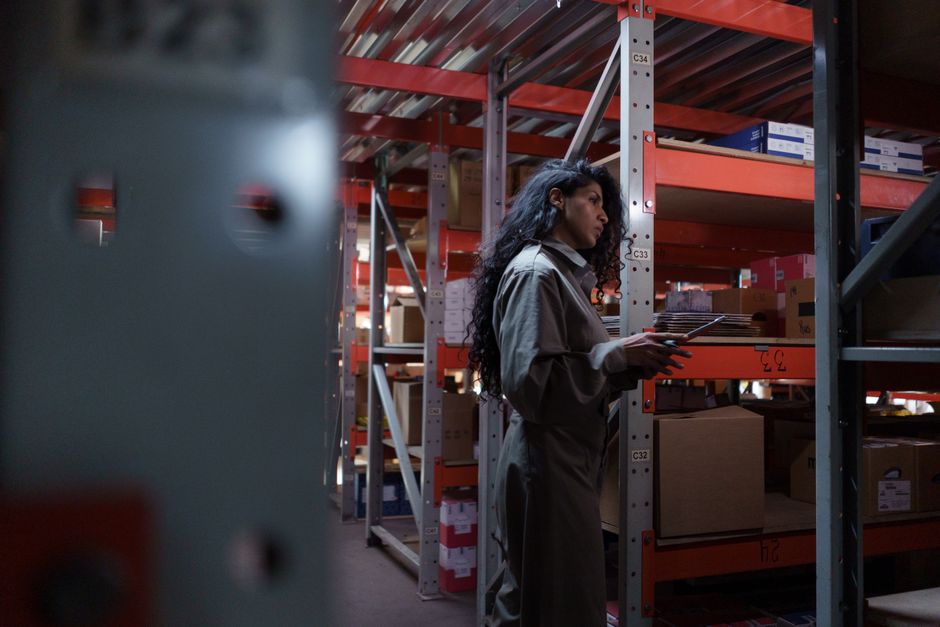
In the fast-paced world of business, the role of distributors is often overlooked, yet they are a vital component in the supply chain. Distributors serve as intermediaries between manufacturers and retailers, ensuring that products reach their final destination efficiently. Understanding the significance of distributors can help businesses streamline operations and improve profitability.
What is a Distributor?
A distributor is a person or entity that buys products in bulk from manufacturers and sells them to retailers or directly to consumers. They play a crucial role in the supply chain by managing logistics, inventory, and customer relationships. Distributors often specialize in certain industries or product lines, allowing them to develop expertise and offer tailored services.
For example, a company that manufactures health supplements may rely on a distributor to handle the complex logistics of getting those products into retail stores. This allows the manufacturer to focus on production while the distributor manages sales, marketing, and distribution networks.
The Benefits of Using Distributors
Utilizing distributors offers several advantages for manufacturers and retailers alike. First and foremost, distributors can help reduce costs by leveraging their established networks. They have the infrastructure in place to handle shipping, warehousing, and order fulfillment, which can be costly for manufacturers to manage independently.
Additionally, distributors provide access to new markets. A manufacturer may have a great product but lack the connections to reach potential customers. Distributors often have established relationships with retailers and consumers, making it easier to introduce new products to the market. For instance, by partnering with a distributor that specializes in health products, a manufacturer can quickly gain access to health stores and pharmacies.
Choosing the Right Distributor
Selecting the right distributor is a critical decision for any manufacturer. Businesses should evaluate potential distributors based on several factors, including their industry expertise, distribution capabilities, and reputation. It’s essential to find a distributor that aligns with the manufacturer’s goals and can effectively represent their brand in the market.
One practical approach is to conduct a thorough assessment of the distributor’s track record. For example, examining their previous partnerships, sales growth, and customer feedback can provide valuable insights into their effectiveness. Additionally, understanding their logistical capabilities is crucial. A distributor with a robust logistics network can ensure timely delivery and minimize inventory costs.
Challenges Faced by Distributors
While distributors play a vital role in the supply chain, they also face several challenges. One significant issue is managing the balance between supply and demand. Distributors must accurately forecast demand to avoid overstocking or stockouts, which can lead to lost sales or increased holding costs.
Another challenge is adapting to changing market conditions. With the rise of e-commerce and direct-to-consumer sales, traditional distribution models are evolving. Distributors must embrace technology and innovate to remain competitive. For instance, some distributors are now using data analytics to optimize their inventory management processes, ensuring they meet customer needs effectively.
The Future of Distribution
The future of distribution is poised for transformation as technology continues to advance. Automation, artificial intelligence, and data analytics are reshaping how distributors operate. For example, automated inventory management systems can help distributors maintain optimal stock levels and reduce waste.
Moreover, the growing emphasis on sustainability is influencing distribution practices. Distributors are increasingly adopting eco-friendly practices, such as reducing packaging waste and optimizing transportation routes to lower carbon emissions. As consumers become more environmentally conscious, distributors that prioritize sustainability may gain a competitive edge.
In conclusion, distributors are essential players in the modern business landscape. They facilitate the movement of goods from manufacturers to consumers, providing valuable services that enhance efficiency and market reach. As businesses navigate the complexities of the supply chain, understanding the role of distributors and choosing the right partners will be crucial for success.
Finally, businesses should stay informed about the latest trends in the distribution industry. For instance, many distributors are exploring innovative products like dmso gel that could enhance their offerings. By leveraging the expertise of distributors, manufacturers can build stronger relationships with their customers and drive growth.
About the Author