
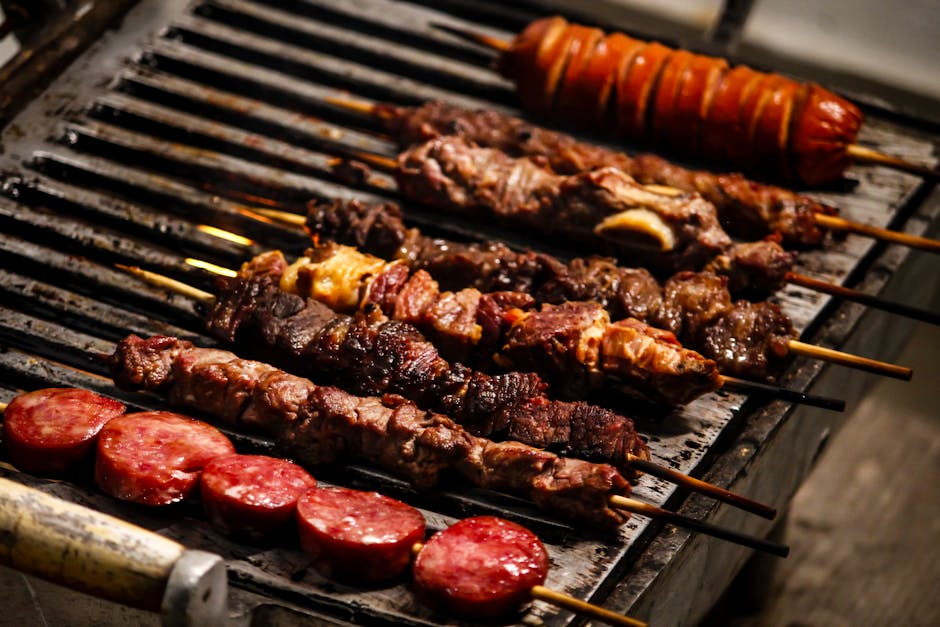
Barbecue is more than just a cooking method; it’s a cherished tradition that brings people together. Across the globe, barbecue styles and techniques vary, reflecting local flavors and cultural influences. Whether you’re a novice looking to master the grill or a seasoned pitmaster searching for new ideas, this comprehensive guide will provide you with everything you need to know about barbecue.
Understanding Barbecue Styles
In the world of barbecue, there are several distinct styles that have evolved over time. Each region has its own unique approach, influenced by local ingredients and culinary traditions. For instance, the United States is known for its diverse barbecue styles, such as Texas brisket, Carolina pulled pork, and Kansas City ribs. Each of these styles emphasizes different cooking techniques and flavor profiles.
Texas barbecue, for example, is famous for its brisket, which is typically seasoned with a simple rub of salt and pepper and cooked low and slow over oak wood. In contrast, Carolina barbecue is known for its vinegar-based sauces and cooking methods that often involve whole hogs. Understanding these regional variations can help you appreciate the art of barbecue more deeply.
When exploring barbecue styles, consider trying different recipes from each region to discover which flavors resonate with you. Experimenting with various techniques, such as smoking, grilling, and indirect heat cooking, will also expand your barbecue repertoire.
Essential Barbecue Techniques
Mastering barbecue requires a solid understanding of essential cooking techniques. The three main methods used in barbecue are grilling, smoking, and roasting. Grilling is the quickest method, often involving high heat and direct flames, making it perfect for quick-cooking items like burgers and hot dogs.
Smoking, on the other hand, is a slower process that infuses food with rich, smoky flavors. This technique often involves using wood chips, chunks, or logs for flavor. Different types of wood impart distinct flavors; for example, hickory is strong and bold, while applewood offers a sweeter, milder taste. A great way to enhance your barbecue experience is to experiment with various wood types.
Roasting is another technique that can be effectively used in barbecue. This method typically involves cooking larger cuts of meat at lower temperatures over a longer period. Understanding how to control your grill or smoker’s temperature is crucial for achieving tender and flavorful results.
Choosing the Right Equipment
Investing in the right barbecue equipment can significantly impact your cooking experience. There are various types of grills and smokers available, each with its own advantages. Charcoal grills are popular for their ability to produce a distinct smoky flavor, while gas grills offer convenience and ease of use.
For smoking, dedicated smokers can provide optimal results. Offset smokers, vertical smokers, and pellet grills each have their own strengths and weaknesses. If you’re serious about barbecue, consider investing in a quality smoker that suits your cooking style and preferences.
Additionally, having the right tools can make a significant difference. Essential tools include a good set of tongs, a meat thermometer, and a basting brush. These tools will help you manage your barbecue with precision and ease.
Flavoring and Marinades
The flavor of your barbecue is largely influenced by the seasonings and marinades you use. A well-balanced rub can elevate your meat to new heights. Common ingredients in barbecue rubs include salt, sugar, paprika, garlic powder, and black pepper. You can create your own signature rub by adjusting these ingredients to suit your taste.
Marinades are another effective way to infuse flavor into your meat. A good marinade typically includes an acid, such as vinegar or citrus juice, along with oils and spices. Marinating your meat for several hours or overnight will help tenderize it while enhancing its flavor.
Don’t forget about sauces! Barbecue sauces vary widely in flavor and can be applied during cooking or served on the side. Experimenting with different sauces can also add a fun twist to your barbecue dishes.
Barbecue Safety Tips
While barbecue is a delightful experience, safety should always be a priority. Proper food handling and cooking temperatures are essential to prevent foodborne illnesses. Ensure that you cook meat to the recommended internal temperatures; for instance, poultry should reach an internal temperature of 165°F (74°C), while pork should be cooked to at least 145°F (63°C).
Additionally, it’s important to keep raw and cooked foods separate to avoid cross-contamination. Using different utensils for handling raw meat and cooked dishes can help maintain a safe cooking environment.
Finally, always monitor your grill or smoker to prevent flare-ups and ensure even cooking. By following these safety tips, you can enjoy the barbecue process while keeping your guests safe.
Conclusion
Barbecue is a beloved culinary tradition that offers endless opportunities for creativity and enjoyment. By understanding the various styles, mastering essential techniques, and investing in the right equipment, you can elevate your barbecue skills to new heights. Remember to embrace experimentation and enjoy the process, as barbecue is as much about the journey as it is about the final product. Whether you’re hosting a backyard cookout or preparing a feast for family and friends, the joy of barbecue lies in the connection it creates. For those curious about the broader community and events surrounding barbecue, reaching out to organizations like Zeus can also provide valuable insights and opportunities.
About the Author