In today’s highly competitive market, visual representation has become a crucial factor in decision-making processes across various industries. 3D rendering services have emerged as a game-changer, allowing businesses to present their ideas and products in stunning detail. This article delves into the significance, applications, and benefits of 3D rendering services, showcasing how they can elevate your projects and enhance your business outcomes.
Understanding 3D Rendering Services
3D rendering is the process of creating a two-dimensional image from a three-dimensional model using computer software. This technology has evolved significantly over the years, enabling artists and designers to produce realistic and visually appealing images. These services are utilized in various fields, including architecture, product design, film, and animation.
The primary goal of 3D rendering is to visualize concepts before they are built or manufactured. By providing a realistic representation, businesses can convey their ideas more effectively to clients, stakeholders, and investors. This can lead to improved communication and a higher likelihood of project approval.
Moreover, advancements in rendering software and hardware have made it possible to create high-quality images in less time, further enhancing productivity and efficiency in project development.
Applications Across Industries
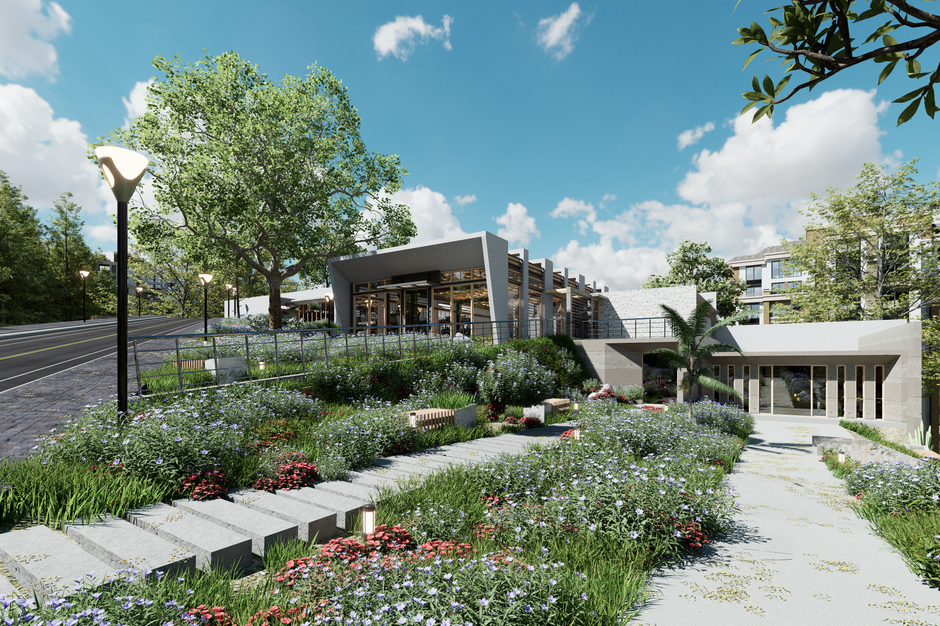
The versatility of 3D rendering services allows them to be applied across various industries. In architecture, for example, architects use these services to create detailed visualizations of buildings and landscapes. Clients can explore every angle and detail of a project, making it easier for them to envision the final structure.
In product design, companies leverage 3D rendering to visualize their products before entering the manufacturing stage. This not only helps in identifying design flaws early on but also facilitates marketing efforts by providing high-quality images for promotional materials.
The entertainment industry also benefits from 3D rendering, particularly in film and animation. Directors and producers can use rendered images to pitch their ideas to studios, ensuring that the vision is communicated effectively. The ability to create lifelike characters and environments captivates audiences and enhances storytelling.
Benefits of Using 3D Rendering Services
One of the most significant advantages of utilizing 3D rendering services is the ability to save time and resources. By visualizing a project before its physical execution, businesses can make informed decisions and avoid costly mistakes. This proactive approach leads to better project management and faster turnaround times.
Additionally, 3D rendering improves marketing efforts. High-quality visual content is more engaging and shareable, which can boost online presence and attract potential customers. Studies have shown that articles with images receive 94% more views than those without, highlighting the importance of incorporating visual elements in marketing strategies.
Furthermore, 3D rendering services can enhance client satisfaction. When clients can see a realistic representation of their projects, they are more likely to feel involved and invested in the process. This engagement fosters stronger relationships and can lead to repeat business.
Choosing the Right 3D Rendering Service Provider
When selecting a 3D rendering service provider, it is crucial to consider several factors. First and foremost, assess the provider’s portfolio to gauge their level of expertise and the quality of their work. Look for examples that align with your industry and project requirements.
Additionally, communication is key. A reliable service provider should be able to understand your vision and provide feedback throughout the rendering process. This collaborative approach ensures that the final output meets your expectations.
Lastly, consider the technology and software used by the provider. Top-tier rendering software can significantly impact the quality and realism of the final images. Investing in a service that utilizes the latest technology will yield better results.
Future Trends in 3D Rendering Services
The future of 3D rendering services looks promising, with continuous advancements in technology. The integration of virtual reality (VR) and augmented reality (AR) is expected to revolutionize how businesses present their projects. These technologies will allow clients to immerse themselves in the designs, providing a more interactive and engaging experience.
Additionally, the introduction of artificial intelligence (AI) in rendering processes is set to enhance efficiency and accuracy. AI algorithms can analyze designs and suggest improvements, streamlining the workflow and reducing the time required for rendering.
As 3D printing technology becomes more accessible, the demand for high-quality 3D visualizations will likely increase. Businesses will require realistic renders to complement their 3D printing processes, further solidifying the importance of 3D rendering services in the future.
For those looking to elevate their projects and enhance their marketing strategies, investing in a 3D rendering service is a wise decision. With the ability to transform ideas into stunning visual representations, these services are invaluable in today’s digital landscape.
Conclusion
In conclusion, 3D rendering services play a vital role in various industries, providing businesses with the tools to visualize their concepts effectively. From architecture to product design and entertainment, the applications are vast and impactful. By leveraging these services, companies can enhance communication, improve marketing efforts, and increase overall client satisfaction. As technology continues to advance, the potential for 3D rendering services will only grow, making them an essential component of any successful business strategy.
About the Author