In today’s rapidly evolving industrial landscape, the demand for automation solutions is surging. Companies are increasingly turning to automation suppliers to enhance efficiency, reduce costs, and improve product quality. This article delves into the crucial role that industrial automation suppliers play in shaping the future of manufacturing and other sectors.
Understanding Industrial Automation
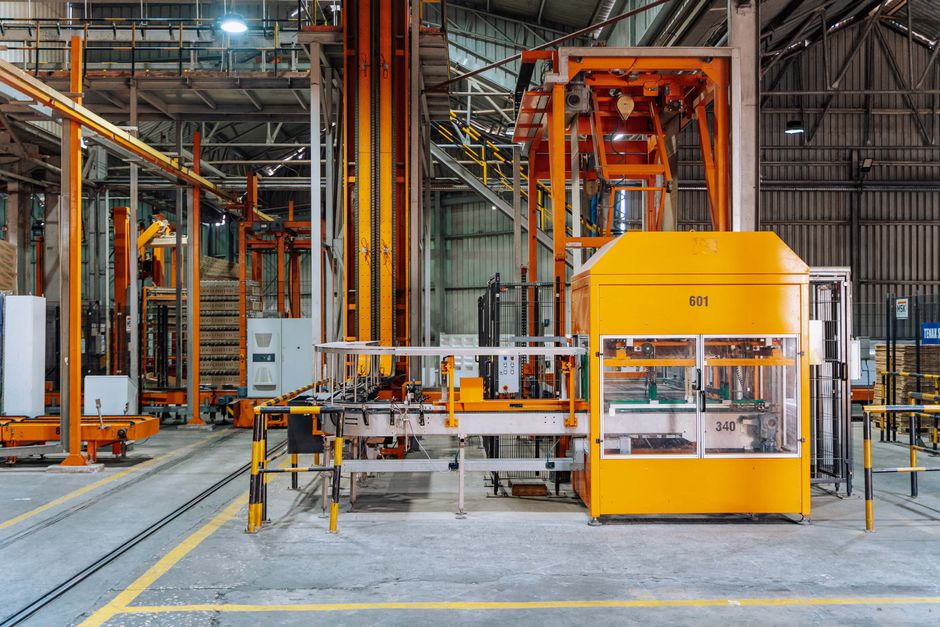
Industrial automation refers to the use of control systems such as computers or robots for handling different processes and machinery in an industry to replace human intervention. This technology enhances productivity and efficiency while ensuring safety in various industrial operations. Automation encompasses a variety of technologies, including robotics, control systems, and information technologies.
The essence of industrial automation lies in its ability to streamline operations. For instance, automated assembly lines can produce goods at a pace that far exceeds human capability. According to a report by the International Federation of Robotics, the installation of industrial robots has increased by 12% globally, highlighting the growing reliance on automation.
The Role of Automation Suppliers
Automation suppliers are pivotal in providing the necessary tools and technologies that enable industries to automate their processes. These suppliers offer a range of products including sensors, actuators, control systems, and software that facilitate automation. They also provide essential support services such as installation, maintenance, and technical training.
Choosing the right industrial automation supplier can significantly impact a company’s automation journey. Suppliers not only provide the hardware but also offer expertise in integrating systems that work seamlessly with existing operations. This can lead to increased operational efficiency and reduced downtime.
Benefits of Partnering with Automation Suppliers
Partnering with automation suppliers yields numerous benefits. Firstly, these suppliers can tailor solutions to meet specific industry needs. For example, in the food and beverage industry, automation suppliers can design systems that ensure compliance with health and safety regulations while maximizing production rates.
Secondly, automation suppliers often bring valuable insights into industry trends and advancements. By collaborating with them, companies can stay ahead of competitors by adopting the latest technologies that enhance productivity. A McKinsey report suggests that companies that embrace automation can achieve productivity gains of 20% to 30%.
Challenges in the Automation Supply Chain
Despite the advantages, challenges exist in the automation supply chain. One significant issue is the rapid pace of technological change, which can make it difficult for suppliers to keep up. Companies may find that the solutions they invest in today could become obsolete in just a few years.
Moreover, there is often a gap in skills among the workforce. As industries adopt more sophisticated technologies, the need for skilled workers who can manage and maintain these systems increases. Automation suppliers are increasingly stepping up to provide training and education to help bridge this gap.
Future Trends in Industrial Automation
The future of industrial automation looks promising, with several key trends on the horizon. One of the most significant is the rise of artificial intelligence (AI) and machine learning. These technologies enable machines to learn from data, making them more adaptive and efficient. Automation suppliers are investing heavily in AI capabilities to create smarter automation solutions.
Additionally, the Internet of Things (IoT) is transforming how industries operate. By connecting machines and systems, IoT allows for real-time monitoring and data analysis, leading to improved decision-making. Automation suppliers are at the forefront of this trend, providing the necessary infrastructure and support to implement IoT solutions.
Conclusion
In conclusion, industrial automation suppliers are integral to the future of industries worldwide. They provide the tools, expertise, and support necessary for businesses to thrive in an increasingly automated environment. By partnering with a reliable industrial automation supplier, companies can not only enhance their operational efficiency but also ensure they remain competitive in the global market. The journey towards automation is not without its challenges, but with the right partners, the potential rewards are substantial.
About the Author