Cardiopulmonary Resuscitation (CPR) is an essential skill that can save lives in emergencies. Whether it’s a heart attack, drowning, or any situation where someone’s breathing or heartbeat has stopped, knowing how to perform CPR can make a significant difference. Despite its importance, many people remain unaware of the correct techniques or may feel intimidated by the process. This article aims to demystify CPR, providing clear information on its procedures, benefits, and the importance of training.
What is CPR?
CPR is a first aid procedure performed on individuals who have stopped breathing or whose heart has ceased to function. It involves a combination of chest compressions and rescue breaths to maintain blood flow and oxygenation to vital organs until professional medical help arrives. The American Heart Association (AHA) emphasizes that immediate CPR can double or even triple a person’s chance of survival following cardiac arrest.
The practice of CPR has evolved over the years, with various organizations providing guidelines to ensure its effectiveness. The main components of CPR include:
- Chest Compressions: These are essential for maintaining blood circulation.
- Rescue Breaths: These help provide oxygen to the lungs.
- Defibrillation: In some cases, using an AED (Automated External Defibrillator) is necessary to restore a normal heart rhythm.
The Importance of CPR Training
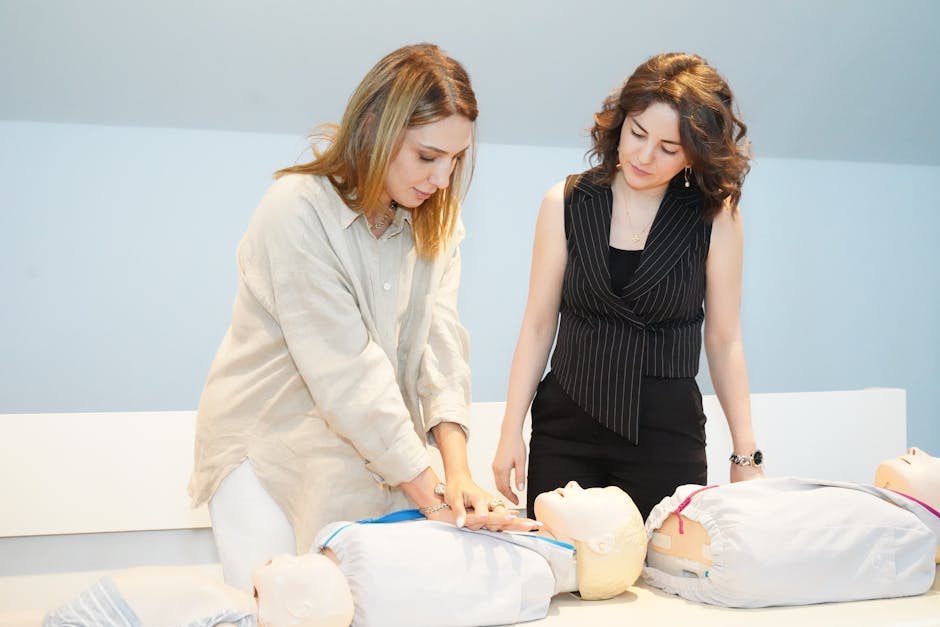
Training in CPR is crucial for several reasons. First, it equips individuals with the skills and confidence to act in emergencies. According to a study published in the journal *Circulation*, bystanders who perform CPR can significantly increase survival rates in cardiac arrest cases.
Moreover, CPR training often includes the use of AEDs, which are becoming increasingly common in public spaces. Knowing how to use an AED can further enhance the chances of survival. Many organizations offer courses that cover not only CPR but also AED usage and first aid, such as the HLR kurs Stockholm.
In addition to enhancing personal safety skills, CPR training also promotes a culture of preparedness in communities. When more people are trained, the likelihood of prompt and effective action during a cardiac emergency increases, ultimately saving more lives.
How to Perform CPR: A Step-by-Step Guide
Performing CPR requires specific steps that should be followed to maximize effectiveness:
- Check the Scene: Ensure the area is safe for both you and the victim.
- Check Responsiveness: Tap the person and shout to see if they respond.
- Call for Help: If the person is unresponsive, call emergency services immediately.
- Begin Chest Compressions: Place your hands on the center of the chest and compress down hard and fast at a rate of 100 to 120 compressions per minute.
- Give Rescue Breaths: After every 30 compressions, provide two rescue breaths if trained to do so.
- Continue Until Help Arrives: Keep performing CPR until professional medical personnel take over or the person starts to show signs of life.
Common Myths About CPR
Despite its life-saving potential, several myths surround CPR that can prevent individuals from performing it. One common misconception is that you need to be certified to perform CPR. While certification is beneficial, any bystander can attempt CPR without formal training, as immediate action can save a life.
Another myth is that performing CPR incorrectly could cause harm. While it’s true that improper CPR might not be effective, it is far better to attempt CPR than to do nothing at all. The risk of causing harm is outweighed by the potential benefits of providing immediate assistance.
Lastly, many people believe that CPR is only necessary for adults. In reality, CPR is applicable to people of all ages, including infants and children, and the techniques may vary slightly based on age.
Conclusion: The Lifesaving Impact of CPR
In conclusion, understanding CPR and its importance can empower individuals to act decisively in emergencies. With the right training and knowledge, anyone can perform CPR and potentially save a life. As communities continue to promote awareness and access to CPR training, the hope is that more lives will be saved as a result. The ability to help in a crisis is invaluable, and learning CPR is a crucial step in becoming a responsible member of society.
About the Author