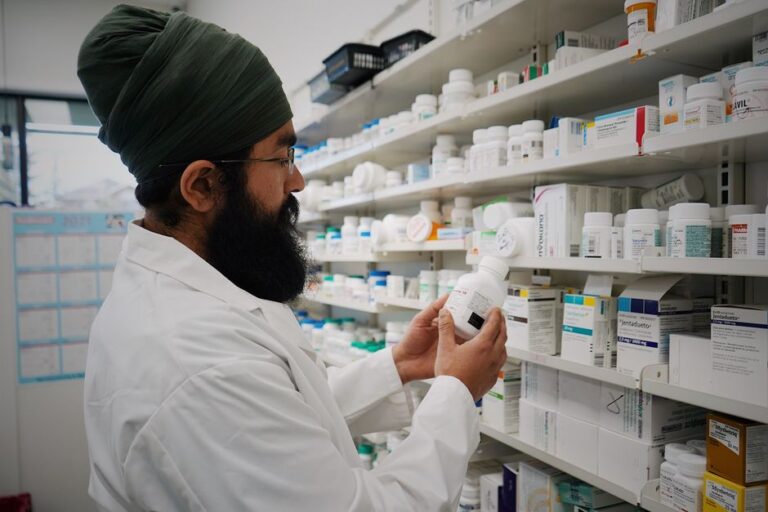

The landscape of drug testing services has evolved significantly over the years, becoming an essential component for various industries, organizations, and even individuals. As workplace safety and employee well-being gain unprecedented importance, understanding the various facets of drug testing services is vital for compliance and health management. In this article, we will delve into what drug testing services entail, their importance, methodologies, and the future of drug testing.
What Are Drug Testing Services?
Drug testing services refer to the systematic methods employed to detect the presence of drugs or their metabolites in an individual’s biological samples, which can include urine, saliva, blood, or hair. These services are widely used in various sectors, including employment, sports, healthcare, and legal scenarios. The primary objective is to ensure safety, compliance with laws, and promote a drug-free environment.
In the context of workplaces, drug testing services are essential for maintaining productivity and safety. Many employers implement these tests as part of their hiring processes or random testing policies to deter substance abuse. Additionally, specific industries, such as transportation and healthcare, have stringent regulations that mandate regular drug testing.
Importance of Drug Testing Services
One of the key reasons for utilizing drug testing services is to enhance workplace safety. According to the Substance Abuse and Mental Health Services Administration (SAMHSA), employees who abuse drugs are more likely to be involved in accidents, injuries, and absenteeism. This leads to increased costs for businesses in terms of workers’ compensation and productivity loss.
Moreover, drug testing services help create a positive workplace culture. Employees are more likely to feel secure knowing that their colleagues are not under the influence of substances that could impair their performance. This sense of security can lead to higher morale and productivity.
Types of Drug Testing Methods
Drug testing services employ various methodologies, each with its advantages and limitations. The most common methods include:
- Urine Testing: This is the most widely used method due to its cost-effectiveness and ease of collection. It can detect drug use over the past few days to weeks, depending on the substance.
- Saliva Testing: Saliva tests are less invasive and can provide results within minutes. They are effective for detecting recent drug use, typically within a few hours to a few days.
- Blood Testing: Although less common due to its invasive nature, blood testing can provide precise measurements of drug levels in the system, making it invaluable in certain medical or legal circumstances.
- Hair Testing: This method can detect drug use over a longer period, up to 90 days. However, it is more expensive and less commonly used in workplace settings.
Each method has its specific use cases, and organizations often choose based on their needs and the substances they wish to test for.
Challenges in Drug Testing Services
Despite their importance, drug testing services face several challenges. One significant issue is the evolving landscape of drug use, particularly with the rise of synthetic drugs and marijuana legalization in various regions. These changes necessitate continuous updates to testing protocols and technology.
Additionally, there are ethical considerations regarding privacy and consent. Organizations must navigate these concerns to ensure that their testing policies are fair and compliant with local laws. Proper communication with employees about the reasons for testing and the processes involved can help mitigate misunderstandings and resistance.
The Future of Drug Testing
The future of drug testing services looks promising, with advancements in technology paving the way for more efficient and accurate testing methods. Innovations such as mobile testing units and instant testing kits are becoming increasingly popular, allowing for on-site testing and quicker results.
Moreover, as workplaces continue to evolve, so too will drug testing policies. Many experts advocate for a more holistic approach to employee health that includes mental well-being and addiction support, rather than solely punitive measures against drug use. This shift could lead to more comprehensive drug testing services that focus on rehabilitation and support.
Organizations are also exploring partnerships with specialized providers to enhance their testing services. For example, companies can collaborate with a drug testing service to ensure they have access to the latest testing technologies and methodologies.
Conclusion
In conclusion, drug testing services play a vital role in promoting safety, compliance, and a healthy workplace environment. As the landscape of drug use continues to evolve, organizations must stay informed and adapt their testing policies and methods accordingly. By understanding the various types of drug testing, their importance, and the challenges they face, businesses can create effective strategies to support their employees and maintain a drug-free workplace.
About the Author