The aftermath of a crime scene can be a traumatic and chaotic experience for all involved. Whether it involves a violent crime, an accident, or a natural death, the responsibility of cleaning up often falls on family members or property owners. However, this task is not only emotionally taxing but also requires specialized knowledge and skills to ensure safety and proper handling of hazardous materials. In this article, we will explore the importance of crime scene cleanup, the processes involved, and the professionals who handle these sensitive situations.
What is Crime Scene Cleanup?
Crime scene cleanup, often referred to as forensic cleaning, is the process of removing and decontaminating the physical evidence and biological materials that remain after a crime or traumatic event. This can include blood, bodily fluids, and other hazardous substances that pose health risks to untrained individuals. The role of a crime scene cleanup professional is to restore the area to a safe condition, adhering to local and federal regulations regarding biohazard disposal.
Professionals in this field are trained to deal with the emotional implications of their work, as they often encounter distressing scenes. They use specialized equipment and cleaning agents designed to neutralize pathogens and ensure the area is free from harmful contaminants. The cleanup process can vary significantly depending on the nature of the incident, but it typically includes thorough cleaning, sanitization, and deodorization.
The Importance of Professional Cleanup
Engaging professional services for crime scene cleanup is vital for several reasons. First and foremost, the health and safety of those involved are paramount. Blood and other bodily fluids can carry infectious diseases, making it crucial to have trained professionals handle the cleanup. Attempting to clean these areas without proper knowledge can result in exposure to hazardous materials.
Additionally, professional crime scene cleanup services understand the legal implications and regulations surrounding biohazard disposal. They are equipped to handle sensitive situations with discretion and respect for the affected individuals. This is especially important in cases where families are grieving or dealing with trauma.
Process of Crime Scene Cleanup
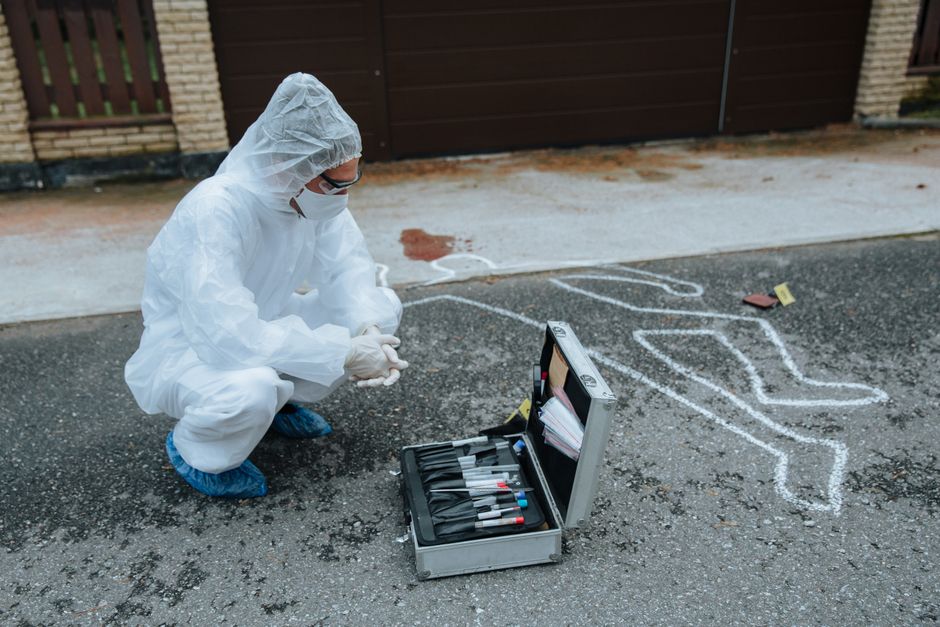
The cleanup process usually begins with a thorough assessment of the scene. Professionals evaluate the extent of the contamination and determine the appropriate methods and materials needed for the job. After the initial assessment, the cleanup team will don protective gear to prevent exposure to any hazardous substances.
Once the team is suited up, they will start by removing any contaminated items, such as furniture, carpeting, or personal belongings, that cannot be salvaged. Following this, they will proceed with disinfecting surfaces and treating any remaining odors. This can involve the use of specialized cleaning agents and equipment, such as ozone generators or air scrubbers, to ensure that every trace of contamination is eliminated.
Case Studies: The Impact of Effective Cleanup
There are numerous case studies that illustrate the profound impact of effective crime scene cleanup. For instance, in a case involving a violent crime, a family was left devastated not just by the loss of their loved one but also by the traumatic task of cleaning the home. After hiring a professional cleanup service, they reported feeling a sense of relief and closure, knowing that the area was handled with care and respect.
Statistically, regions with access to professional crime scene cleanup services report lower instances of recurring crime in the same location. This is attributed to the swift restoration of the area, which can help the community heal and deter future criminal activity.
Choosing the Right Cleanup Service
When selecting a crime scene cleanup service, it’s essential to choose a reputable company with experience in the field. Look for certifications and positive reviews from previous clients. Additionally, ensure that the service adheres to local regulations and offers transparent pricing without hidden fees.
It’s also beneficial to choose a service that provides support beyond just cleanup. Many reputable companies offer counseling and support services for families affected by trauma. This holistic approach can significantly aid in the healing process.
Conclusion
Crime scene cleanup is a critical service that plays a vital role in restoring safety and dignity after traumatic events. By understanding the importance of professional cleanup, individuals can ensure that they are not only protecting their health but also facilitating the healing process for themselves and their loved ones. For those in need of assistance, services like crime scene cleanup are essential in navigating these challenging situations with professionalism and care.
About the Author