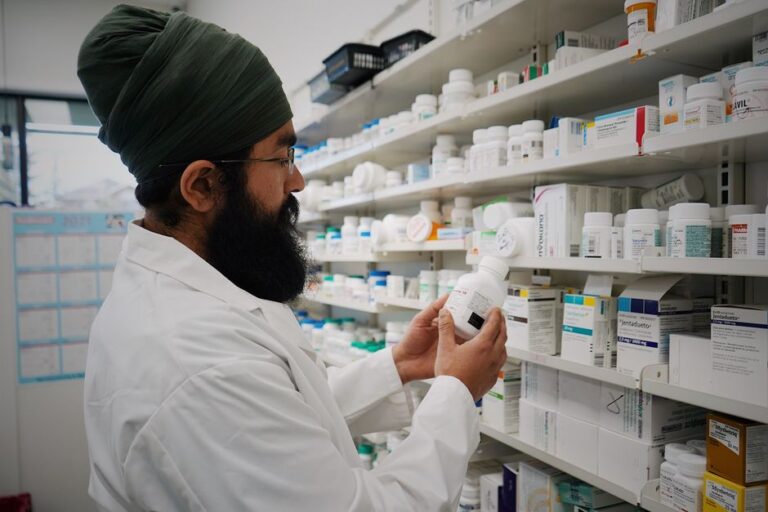

In today’s world, drug testing services have become an essential aspect of various industries and sectors. From ensuring workplace safety to promoting public health, these services play a crucial role in identifying substance abuse and maintaining compliance with regulations. As organizations increasingly recognize the significance of drug testing, understanding its various facets becomes imperative.
What Are Drug Testing Services?
Drug testing services encompass a range of procedures designed to detect the presence of illegal substances and controlled medications in an individual’s system. These tests can be conducted in various settings, including workplaces, schools, and rehabilitation centers. Typically, tests can analyze samples such as urine, saliva, hair, and blood to determine drug use.
According to the Substance Abuse and Mental Health Services Administration (SAMHSA), about 70% of the 14 million Americans who use illegal drugs are employed. This statistic highlights the importance of implementing drug testing services in workplaces to mitigate risks associated with substance abuse.
Moreover, organizations often partner with specialized providers to ensure that testing is conducted accurately and efficiently. This is where professional drug testing services come into play, offering the expertise needed to navigate complex regulations and maintain the integrity of the testing process.
The Benefits of Drug Testing Services
Implementing drug testing services offers numerous benefits to employers and organizations. Firstly, drug testing can significantly enhance workplace safety. By identifying employees who may be under the influence of drugs, companies can reduce the likelihood of accidents and injuries, which is particularly crucial in high-risk environments such as construction or manufacturing.
Furthermore, drug testing can lead to improved productivity. Employees who are not under the influence of substances are more likely to perform effectively and contribute positively to the organization. A study by the National Institute on Drug Abuse indicates that workplaces that enforce drug testing policies see a decrease in absenteeism and an increase in overall job performance.
Another significant advantage is compliance with legal and regulatory requirements. Many industries are subject to strict regulations regarding drug use, and failing to comply can result in severe penalties. By utilizing drug testing services, organizations can demonstrate their commitment to maintaining a drug-free environment.
Types of Drug Testing Methods
Drug testing services employ various methods to detect substance use, each with its unique advantages and limitations. The most common methods include urine, saliva, hair, and blood tests.
Urine testing is the most widely used method due to its cost-effectiveness and ease of administration. It can detect a range of substances and is typically conducted in a controlled environment. However, urine tests may not provide a complete picture of an individual’s recent drug use.
Saliva testing has gained popularity due to its non-invasive nature and ability to detect drugs used within a shorter window of time. This method is particularly effective for identifying recent use, making it suitable for on-site testing.
Hair testing, while more expensive, offers a longer detection window and can reveal patterns of drug use over several months. This method is often used in situations where a comprehensive understanding of an individual’s drug history is required.
Blood tests, although less common, provide the most accurate results regarding the presence of substances in the body at a specific moment. They are typically used in medical settings and for forensic purposes.
Challenges and Considerations in Drug Testing
While drug testing services provide invaluable benefits, they also come with challenges that organizations must navigate. One major concern is the potential for false positives or negatives, which can lead to wrongful accusations or overlooked substance use. To mitigate this risk, it is essential for organizations to utilize reputable drug testing services that adhere to strict protocols.
Additionally, privacy concerns can arise, as individuals may feel that drug testing infringes upon their personal rights. It is crucial for organizations to communicate transparently about their testing policies and ensure that they comply with relevant laws to foster trust among employees.
Furthermore, the interpretation of drug test results requires expertise. Organizations should ensure that trained professionals are responsible for analyzing and reporting results to avoid misinterpretation and potential legal complications.
Choosing the Right Drug Testing Service Provider
Selecting the right drug testing service provider is vital for organizations looking to implement effective testing programs. Key factors to consider include the provider’s accreditation, the range of testing services offered, and their ability to provide timely results.
Furthermore, organizations should review the provider’s track record and client testimonials to gauge their effectiveness and reliability. A provider that offers comprehensive support, including legal guidance and employee education, can significantly enhance the overall effectiveness of a drug testing program.
Ultimately, investing in a high-quality drug testing service can lead to improved safety, enhanced productivity, and a more compliant workplace environment.
Conclusion
In summary, drug testing services are an essential component of maintaining safety and compliance in various settings. By understanding the benefits, types of testing methods, and challenges involved, organizations can implement effective drug testing programs that promote a healthier workplace. As the landscape of substance use continues to evolve, staying informed and adaptable will be crucial for organizations committed to fostering a drug-free environment.
About the Author