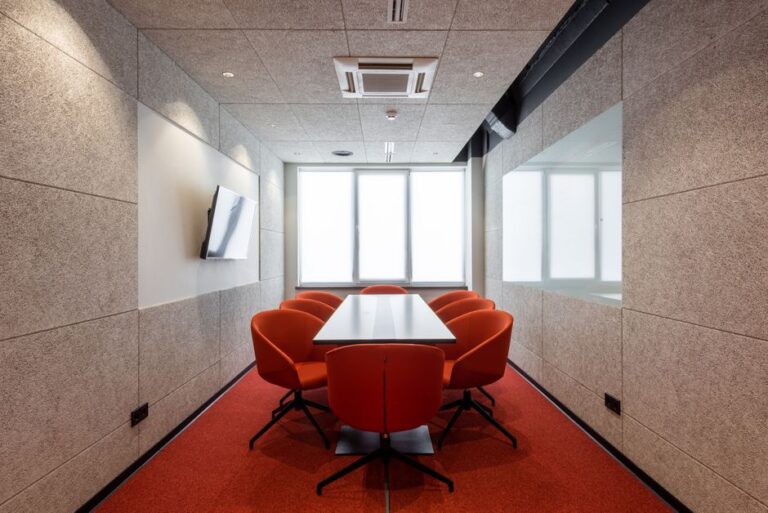

In an era where technology continuously reshapes our interaction with the world, virtual tour photography has emerged as a transformative tool for various industries. This innovative approach not only enhances marketing strategies but also offers immersive experiences that captivate audiences. From real estate to tourism, the applications of virtual tours are vast and varied, allowing businesses to connect with potential clients in unprecedented ways.
The Rise of Virtual Tour Photography
The popularity of virtual tour photography has skyrocketed over the past few years, largely due to advancements in technology and the increasing demand for engaging content. With the rise of high-resolution cameras, 360-degree lenses, and user-friendly editing software, creating stunning virtual tours has never been easier. According to a report by the National Association of Realtors, listings with virtual tours receive 87% more views than those without, highlighting the effectiveness of this medium in attracting potential buyers.
Moreover, the global pandemic accelerated the adoption of virtual tours, as businesses sought alternative ways to showcase their offerings while maintaining social distancing protocols. From virtual museum exhibits to online property showings, the ability to explore spaces remotely became essential. This shift not only changed consumer behavior but also introduced new opportunities for photographers and businesses alike.
Applications in Various Industries
Virtual tour photography finds its applications in a multitude of sectors. In the real estate industry, agents use virtual tours to provide prospective buyers with an immersive experience of properties, allowing them to explore homes from the comfort of their own living rooms. This method not only saves time for agents and buyers but also leads to quicker sales, as buyers can make informed decisions based on a comprehensive view of the property.
In the tourism sector, virtual tours enable potential travelers to explore destinations before booking their trips. Hotels and attractions that utilize virtual tours can showcase their amenities and unique features, enticing visitors to choose their services over competitors. For instance, a hotel that offers a virtual walkthrough of its rooms and facilities can significantly enhance its online presence and drive more bookings.
Technical Aspects of Virtual Tour Photography
Creating an engaging virtual tour requires a blend of technical skills and artistic vision. Photographers must be adept at using specialized equipment, such as 360-degree cameras, drones, and editing software. The process begins with capturing high-quality images of the space, ensuring that lighting and angles are optimized to highlight the best features.
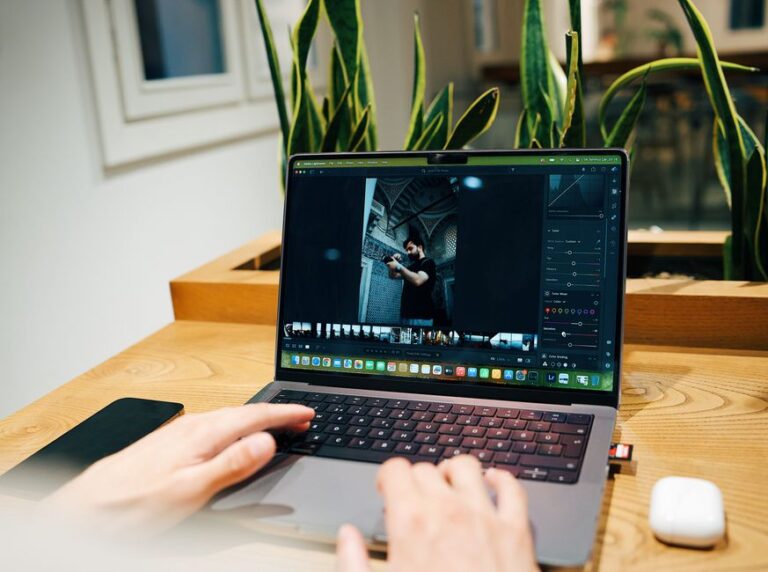
After capturing the images, the next step involves stitching them together to create a seamless virtual experience. This requires proficiency in software such as Adobe Photoshop and dedicated virtual tour programs. The final product should be interactive, allowing viewers to navigate through the space at their own pace. Incorporating elements such as hotspots, informative labels, and audio guides can further enhance the user experience.
Marketing Strategies for Virtual Tours
To maximize the potential of virtual tour photography, businesses must develop effective marketing strategies. Sharing virtual tours on social media platforms, websites, and real estate listings can attract a wider audience. Engaging content that taps into the emotional aspect of the experience can drive more interactions and inquiries.
Additionally, collaborating with influencers or running targeted ads can further amplify reach. For instance, a travel agency can partner with travel bloggers to showcase virtual tours of exotic locations, enticing potential customers to book their next vacation. The integration of virtual tours into email marketing campaigns can also help in increasing engagement rates, as recipients are more likely to explore interactive content.
Conclusion
As technology continues to evolve, virtual tour photography is poised to become an integral part of how businesses and consumers interact. Its ability to provide immersive experiences and enhance marketing efforts makes it an invaluable tool in today’s digital landscape. By understanding the technical aspects, applications, and marketing strategies associated with virtual tours, businesses can leverage this innovative medium to stand out in a competitive marketplace. For those looking to explore the possibilities of virtual tour photography, the future is bright, promising endless opportunities for creativity and connection.
About the Author