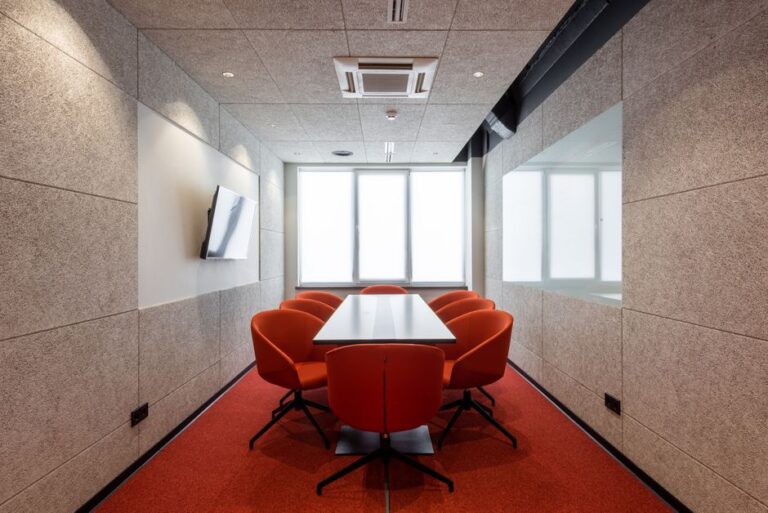

In today’s fast-paced business environment, the importance of effective space planning cannot be overstated. Organizations are increasingly recognizing that optimal use of physical space can lead to enhanced productivity, improved employee satisfaction, and significant cost savings. This is where space planning consultants come into play, offering expertise that can transform ordinary spaces into productive environments.
Understanding Space Planning
Space planning is the process of organizing and arranging physical spaces to meet the needs of individuals and organizations. It involves evaluating the existing space, understanding the requirements of the users, and designing a layout that maximizes functionality. Space planning is not just about aesthetics; it is a strategic approach that considers workflow, accessibility, and even safety regulations.
A good space planning consultant will start by assessing the current layout and identifying areas for improvement. This often involves gathering input from various stakeholders, including employees, management, and facilities teams. By understanding how different teams interact and function, consultants can create a space that fosters collaboration and efficiency.
The Benefits of Hiring a Space Planning Consultant
One of the primary benefits of hiring a space planning consultant is their ability to provide a fresh perspective. Organizations often become accustomed to their existing environment and may overlook inefficiencies. A consultant can spot these issues and propose innovative solutions that the internal team might not have considered.
Moreover, a space planning consultant brings specialized knowledge and experience to the table. They are well-versed in the latest trends and technologies in space management. For instance, many organizations are now incorporating flexible workspaces that allow for a dynamic work environment. A consultant can guide businesses through the process of implementing these changes effectively.
Additionally, the financial implications of effective space planning are significant. Poorly utilized space can lead to increased operational costs. For example, according to a study by the International Facility Management Association (IFMA), organizations can save up to 30% on real estate costs through effective space planning. This not only contributes to the bottom line but also creates a more productive work environment.
Key Considerations in Space Planning
When engaging a space planning consultant, there are several key considerations to keep in mind. First and foremost is the identification of the organization’s goals. What are the specific objectives that the space must achieve? Whether it’s enhancing collaboration, increasing privacy, or accommodating future growth, understanding these goals is crucial.
Another important aspect is the analysis of current space usage. This involves collecting data on how space is currently utilized, including traffic patterns, occupancy rates, and the effectiveness of existing layouts. By analyzing this data, space planning consultants can provide recommendations that are tailored to the specific needs of the organization.
Lastly, it’s essential to consider the future. As businesses evolve, their space needs may change. A good consultant will provide solutions that are not only effective for the present but also adaptable for future requirements. This forward-thinking approach ensures that organizations can continue to thrive as their needs evolve.
Real-World Examples of Successful Space Planning
Many companies have successfully transformed their workspaces through effective space planning. For instance, a tech company in Silicon Valley decided to hire a space planning consultant to redesign their office layout. The consultant conducted a thorough assessment and found that many teams were isolated in separate rooms, hindering collaboration.
In response, the consultant proposed an open-plan layout with designated collaboration zones. This change not only improved communication between teams but also led to a 25% increase in overall productivity within the first six months. The company reported higher employee satisfaction scores and a more dynamic work environment.
Another example is a healthcare facility that faced challenges with patient flow and staff efficiency. By working with a space planning consultant, they were able to redesign the patient intake area and optimize the layout of examination rooms. As a result, patient wait times were reduced by 40% and staff reported feeling less overwhelmed during peak hours.
Conclusion: The Future of Space Planning
The role of space planning consultants is becoming increasingly vital as organizations seek to maximize their physical environments. With the rise of remote work and changing workforce dynamics, the need for flexible and efficient spaces is more important than ever. By leveraging the expertise of a space planning consultant, businesses can not only enhance their current operations but also prepare for future challenges.
In conclusion, investing in effective space planning is not just a trend; it’s a necessity for organizations looking to thrive in a competitive landscape. Whether it’s through cost savings, improved employee satisfaction, or increased efficiency, the benefits of hiring a space planning consultant are clear. As we look to the future, those organizations that prioritize optimal space utilization will undoubtedly gain a competitive edge.
About the Author