Commercial real estate (CRE) has become a focal point for investors, businesses, and urban developers alike. As economies grow and evolve, the demand for commercial spaces ranging from office buildings to retail outlets continues to rise. In this article, we will explore the various facets of commercial real estate, including types, market trends, investment strategies, and the future outlook for this dynamic sector.
Types of Commercial Real Estate
Commercial real estate can be broadly categorized into several types, each serving different purposes and attracting different kinds of investors. The primary categories include office buildings, retail spaces, industrial properties, multifamily housing, and specialized properties such as hotels and medical facilities.
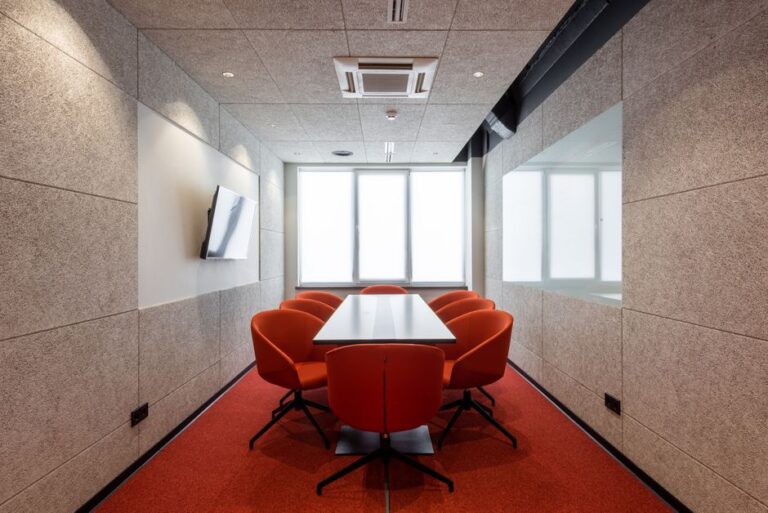
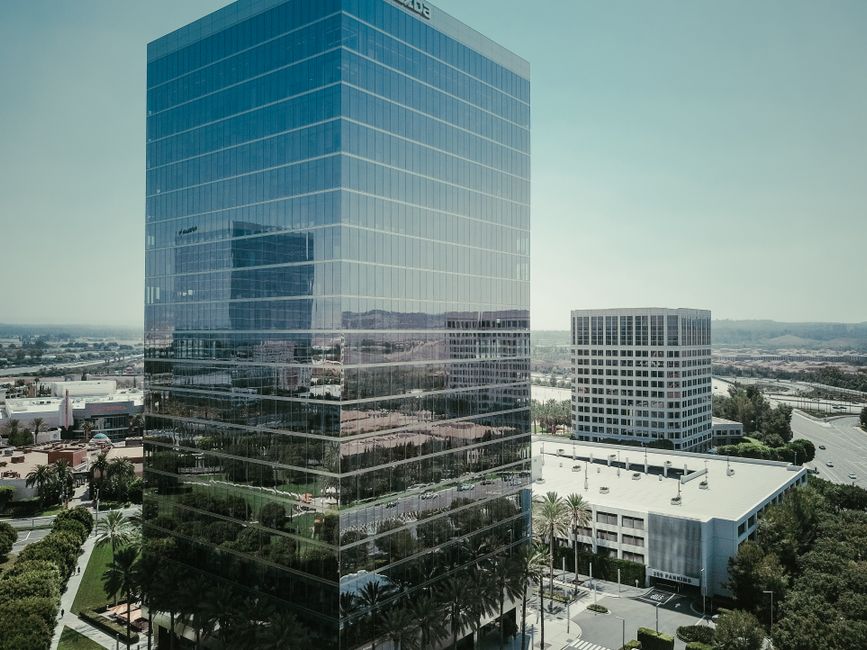
Office buildings, for instance, come in various classes: Class A, B, and C, which reflect the quality of the building, its location, and amenities. Class A buildings are often located in prime locations and offer high-end facilities, while Class C properties may require renovation and are typically in less desirable areas. Understanding these classifications is crucial for investors looking to enter the market.
Retail spaces encompass everything from shopping malls to standalone stores. The shift towards e-commerce has dramatically affected this sector, prompting many retailers to rethink their physical presences. Investors in retail real estate must consider consumer behavior and the impact of digital sales channels on foot traffic and sales.
Market Trends in Commercial Real Estate
The commercial real estate market is constantly influenced by various economic factors, including interest rates, employment rates, and consumer spending. Recent trends indicate a notable shift towards sustainability and technology integration within commercial properties. Investors are increasingly looking for green buildings that promise lower operational costs and reduced environmental impact.
Moreover, the COVID-19 pandemic has accelerated changes in how commercial spaces are utilized. Remote work has led to a decrease in demand for traditional office spaces, while logistics and warehousing properties have seen an uptick due to the rise in e-commerce. According to a report by CBRE, the demand for logistics real estate has grown by 30% year-on-year, highlighting a significant shift in investment focus.
Investment Strategies in Commercial Real Estate
Investing in commercial real estate requires strategic planning and a thorough understanding of the market dynamics. One popular strategy is value-add investing, where investors purchase properties that require renovations or improvements. By enhancing the property, they can increase its value and rental income potential.
Another strategy is core investing, which involves purchasing high-quality, well-located properties that are already generating stable income. This approach is typically favored by institutional investors seeking lower risk and steady returns. Investors must evaluate their risk tolerance and investment goals when choosing a strategy, as each comes with its own set of challenges and rewards.
The Future of Commercial Real Estate
Looking ahead, the future of commercial real estate appears to be shaped by technological advancements and changing societal preferences. The integration of smart building technology will likely become standard, enhancing operational efficiency and tenant experiences. Furthermore, as cities become more densely populated, mixed-use developments that combine residential, commercial, and recreational spaces are expected to gain popularity.
Additionally, the importance of flexible workspaces is on the rise. The traditional office layout is evolving, with many companies opting for co-working spaces that offer flexibility and collaboration opportunities. This trend indicates that investors must remain agile and responsive to changing market demands.
Conclusion
In summary, commercial real estate is a multifaceted sector that offers diverse opportunities for investors and businesses alike. By understanding the various types of properties, market trends, and investment strategies, stakeholders can navigate this dynamic landscape effectively. As the industry continues to evolve, staying informed about technological advancements and consumer preferences will be crucial in making sound investment decisions. For those looking to explore options in the commercial real estate market, resources such as commercial real estate listings can provide valuable insights and opportunities.
About the Author