
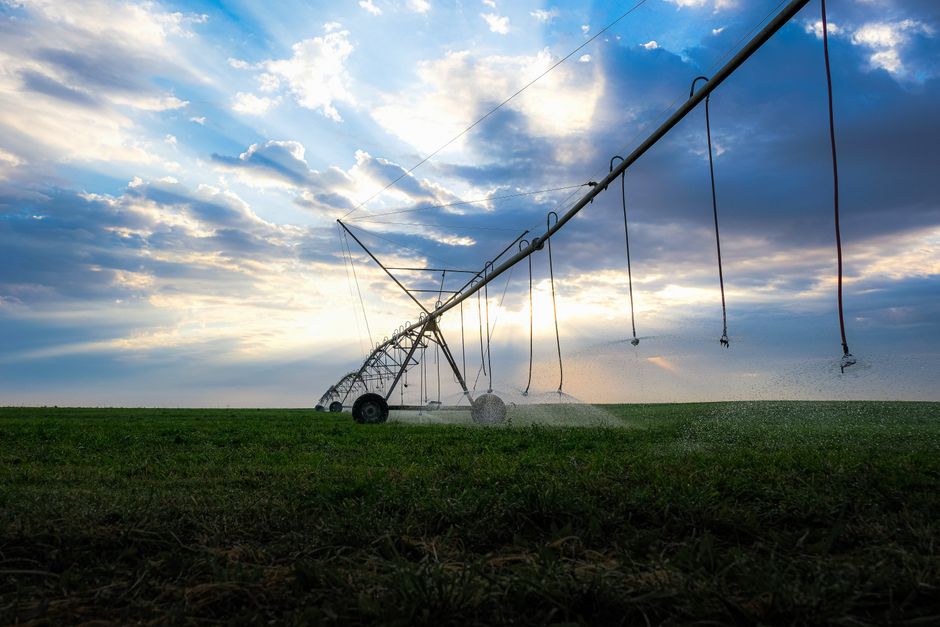
Irrigation systems are vital for agriculture, especially in areas prone to drought. They play a crucial role in enhancing crop yield, conserving water, and ensuring sustainable farming practices. With climate change affecting weather patterns, the implementation of efficient irrigation systems has become more important than ever. This article will explore the different types of irrigation systems, their benefits, and tips for optimizing their use.
Understanding Different Types of Irrigation Systems
There are several types of irrigation systems, each suited for different agricultural needs. The most common systems include drip irrigation, sprinkler irrigation, and surface irrigation. Drip irrigation is highly efficient for water conservation and is ideal for row crops and vegetables. In contrast, sprinkler irrigation is versatile and can cover large areas, making it suitable for a variety of crops.
Surface irrigation involves flooding the field with water, which can be less efficient but is still widely used in many regions. Choosing the right system depends on factors such as the type of crops, soil characteristics, and water availability. Understanding these systems is the first step towards effective water management.
Benefits of Modern Irrigation Systems
Modern irrigation systems offer numerous benefits that can transform agricultural practices. One of the primary advantages is water conservation. For instance, studies have shown that drip irrigation can reduce water usage by up to 60% compared to traditional methods. This reduction not only saves water but also lowers costs for farmers.
Moreover, efficient irrigation systems can lead to increased crop yields. By delivering water directly to the root zone, plants receive the precise amount of moisture they need for optimal growth. This targeted approach minimizes water waste and enhances productivity, allowing farmers to grow more with less.
Implementing Irrigation Systems: Key Considerations
When implementing an irrigation system, several critical factors must be considered. Firstly, assessing the local climate and soil conditions will help determine the most suitable system. For example, regions with sandy soils may benefit from drip irrigation to reduce runoff and evaporation.
Additionally, the availability of water sources is another crucial aspect. Farmers must evaluate their access to groundwater, surface water, or municipal sources. It is also essential to consider the financial investment required for different systems, as costs can vary significantly. Planning and budgeting for installation and maintenance are vital for long-term success.
Lastly, incorporating technology can enhance the efficiency of irrigation systems. Smart irrigation technologies, such as moisture sensors and automated controllers, allow for precise water application based on real-time conditions, further optimizing water usage.
Case Studies: Successful Implementation of Irrigation Systems
Numerous case studies highlight the successful implementation of irrigation systems around the world. For instance, a farm in California adopted a state-of-the-art drip irrigation system, which resulted in a 40% reduction in water usage while increasing crop yield by 30%. This success story demonstrates the potential of modern irrigation techniques in addressing water scarcity.
Another example is a community in India that integrated rainwater harvesting with drip irrigation. This combination not only improved water availability but also empowered local farmers to cultivate crops during dry seasons, significantly enhancing food security in the region.
Future Trends in Irrigation Technology
The future of irrigation technology looks promising with advancements in automation and data analytics. Innovations such as remote sensing and aerial imaging are becoming more prevalent, allowing farmers to monitor their fields and make informed decisions regarding irrigation.
Furthermore, the integration of sustainable practices, such as rainwater harvesting and recycled water use, is gaining traction. These practices not only support environmental conservation but also ensure a reliable water supply for agriculture.
As climate change continues to impact water resources, the development and adoption of innovative irrigation systems will be essential for sustainable agriculture. Farmers who stay ahead of these trends will be better positioned to thrive in an increasingly challenging environment.
Conclusion
In conclusion, irrigation systems are a cornerstone of modern agriculture, providing essential support for crop production and water conservation. By understanding the various types of systems, their benefits, and key implementation considerations, farmers can make informed decisions that enhance their operations. As technology continues to evolve, embracing innovative practices will be crucial for maximizing efficiency and sustainability in irrigation. For more detailed insights on irrigation systems, visit irrigation system resources that delve into the latest research and developments in this field.
About the Author