
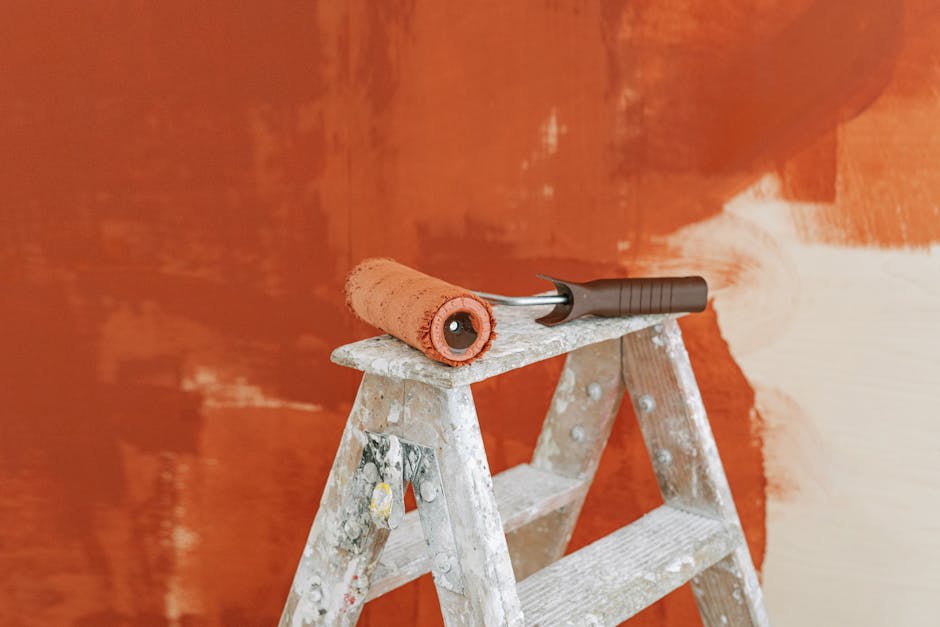
Home improvement is more than just a trend; it’s a way to enhance your living environment and increase the value of your property. Whether you’re a seasoned DIY enthusiast or a novice looking to make some changes, understanding key aspects of home improvement can lead to satisfying results. This article will explore various facets of home improvement, including tips, trends, and practical advice to inspire your next project.
Understanding the Basics of Home Improvement
Before diving into specific projects, it’s essential to grasp the fundamentals of home improvement. This includes knowing which renovations add value, understanding the necessary tools, and recognizing safety measures. For instance, minor renovations like painting and landscaping can significantly boost your home’s curb appeal without breaking the bank.
Additionally, planning is crucial. A well-thought-out plan can save you time and money, ensuring that you don’t encounter unexpected challenges. Create a checklist of your goals, budget, and timeline to keep your project on track.
Popular Home Improvement Trends
Home improvement trends continually evolve, influenced by design innovations and buyer preferences. Currently, sustainable and energy-efficient upgrades are at the forefront. Installing solar panels, energy-efficient windows, and smart home devices not only reduce utility bills but also attract eco-conscious buyers.
Furthermore, open floor plans remain popular as they create a sense of spaciousness and encourage social interaction. If you’re considering a major renovation, removing non-load-bearing walls might be an effective way to achieve this layout.
Cost-Effective Upgrades
Not all home improvement projects require a significant financial investment. In fact, there are several cost-effective upgrades that can yield a high return on investment. For example, updating fixtures in your kitchen and bathroom can modernize the space and make it feel fresh. Consider replacing outdated faucets, cabinet handles, and light fixtures.
Another affordable option is to enhance your landscaping. Simple tasks like planting new flowers, trimming hedges, or adding mulch can dramatically improve your home’s exterior. Additionally, creating outdoor living spaces, such as patios or fire pits, adds value and provides a great area for entertaining.
DIY vs. Hiring Professionals
One of the biggest decisions in home improvement is whether to tackle projects yourself or hire professionals. DIY projects can be rewarding, allowing for personal expression and cost savings. However, they also come with risks, especially for complicated tasks like electrical work or plumbing.
In contrast, hiring professionals ensures that the work is done correctly and up to code, which can save you money in the long run by preventing costly mistakes. It’s essential to weigh the pros and cons and consider your skill level before making a decision.
Maintenance and Long-Term Care
After completing your home improvement projects, maintenance is key to preserving your investment. Regular inspections and upkeep can prevent small issues from escalating into costly repairs. For instance, checking for leaks in plumbing, inspecting your roof, and maintaining your HVAC system are essential tasks that should be performed regularly.
Additionally, documenting your improvements can be beneficial, especially if you plan to sell your home in the future. Keep records of upgrades and repairs, as this information can be valuable to potential buyers.
Conclusion
Home improvement is an ongoing journey that can greatly enhance your quality of life and property value. By understanding the basics, staying informed about trends, and making smart upgrades, you can create a space that reflects your style and meets your needs. Remember, whether you choose to DIY or hire professionals, the goal is to create a home that you love. For inspiration on style and design, you might also want to check out this fashion blog that highlights modern trends.
About the Author