When it comes to the dining experience, the ambiance of a restaurant plays a crucial role in attracting and retaining customers. Restaurant interior design is not merely about aesthetics; it encompasses a blend of functionality, comfort, and style that can significantly influence customer satisfaction. In this article, we will explore the key elements of effective restaurant interior design and how they contribute to a memorable dining experience.
Understanding the Importance of Interior Design
The interior design of a restaurant sets the tone for the entire dining experience. It reflects the restaurant’s brand identity and influences customers’ perceptions. According to a study by the U.S. National Restaurant Association, 70% of diners say that the atmosphere of a restaurant affects their choice to dine there. Therefore, investing in thoughtful interior design can lead to increased customer loyalty and positive word-of-mouth publicity.
Moreover, a well-designed space can enhance operational efficiency. For instance, the layout should facilitate smooth service, allowing staff to move effortlessly between the kitchen and dining areas. This not only boosts productivity but also ensures that customers receive their orders promptly, contributing to overall satisfaction.
Key Elements of Restaurant Interior Design
Several elements contribute to successful restaurant interior design. These include color schemes, furniture selection, lighting, and decor. Each of these aspects plays a vital role in creating an inviting atmosphere.
First, color schemes can evoke different emotions. Warm colors like red and orange can stimulate appetite, while cooler tones like blue and green can create a calm environment. The choice of color can align with the restaurant’s theme and cuisine, enhancing the overall dining experience.
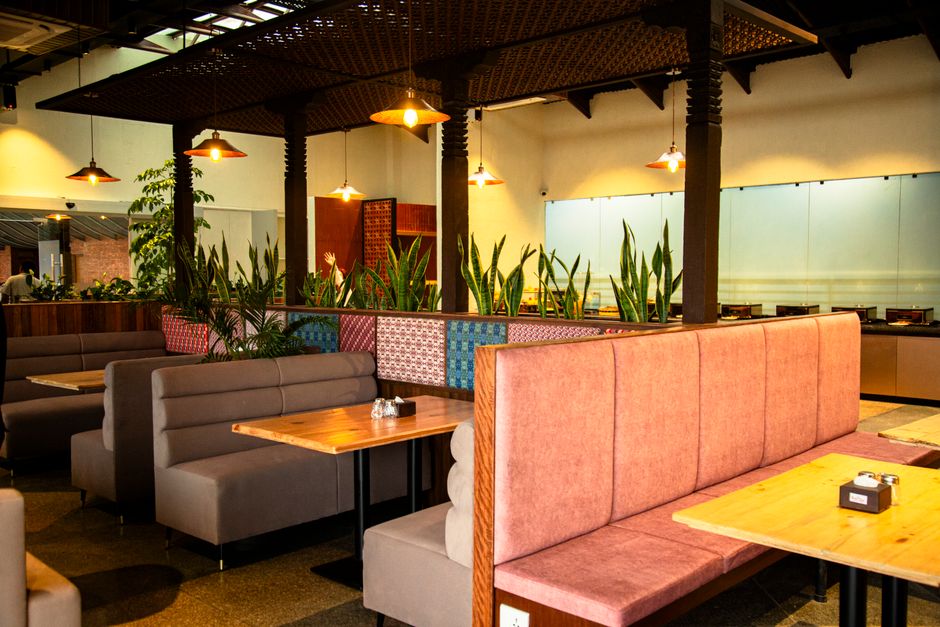
Next, furniture selection is crucial. Comfortable seating arrangements encourage customers to linger longer, which can lead to increased sales. Additionally, the layout should allow for both intimate dining experiences and larger gatherings. The versatility of furniture can cater to different customer needs, making the restaurant a preferred choice for various occasions.
The Role of Lighting in Creating Ambiance
Lighting is another critical aspect of restaurant interior design. It can dramatically alter the perception of space. Ambient lighting creates a warm and welcoming environment, while task lighting ensures that staff can perform their duties efficiently. Accent lighting can highlight specific areas or decor pieces, drawing attention and enhancing visual interest.
Studies show that well-lit environments can increase food sales by 20%. Thus, incorporating layered lighting options can significantly impact a restaurant’s profitability. Additionally, natural light can create a more inviting atmosphere, making diners feel more comfortable and relaxed.
Moreover, the use of unique lighting fixtures can serve as a conversation starter, adding an element of personality to the space. For instance, a striking chandelier or artistic pendant lights can become focal points that enhance the restaurant’s character.
Incorporating Branding into Interior Design
Effective restaurant interior design should also reflect the brand’s identity. Every design choice, from the color palette to the decor, should communicate the restaurant’s values and mission. For example, a farm-to-table restaurant might incorporate rustic elements, such as reclaimed wood and earthy tones, to emphasize its commitment to sustainability.
Additionally, wall art can be a powerful tool for storytelling. Murals or framed photographs that resonate with the restaurant’s theme can create a deeper connection with customers. This connection can lead to an enhanced dining experience, as patrons feel more aligned with the restaurant’s narrative.
Adapting to Trends and Customer Preferences
The world of restaurant interior design is constantly evolving. Staying updated on current trends and customer preferences is essential for any restaurant looking to thrive. For instance, the rise of outdoor dining has prompted many establishments to create inviting patio spaces that allow customers to enjoy their meals al fresco.
Additionally, incorporating technology into the design can enhance the dining experience. For instance, mobile ordering and digital menus can streamline service and allow for a more efficient dining experience. Restaurants that embrace these innovations often attract tech-savvy diners who appreciate convenience.
Furthermore, sustainability is becoming increasingly important to diners. Many customers prefer establishments that prioritize eco-friendly practices. This trend can be reflected in the choice of materials, such as using recycled or sustainable products in the restaurant’s decor and furniture.
In this dynamic landscape, it is crucial for restaurant owners to stay adaptable and willing to evolve their designs in response to changing trends and customer needs.
Conclusion
In conclusion, restaurant interior design is a multifaceted process that requires careful consideration of various elements. From creating a welcoming atmosphere to reflecting the brand’s identity, every aspect of the design plays a significant role in shaping the customer experience. By investing in thoughtful design and staying updated on trends, restaurant owners can create spaces that not only attract customers but also keep them coming back for more. For those looking for inspiration and guidance in their journey, exploring resources on restaurant interior design can provide valuable insights.
About the Author